A power failure at the district hospital in Rampur has raised serious questions about emergency preparedness after medical staff were reportedly forced to treat patients using the light from mobile phone torches.
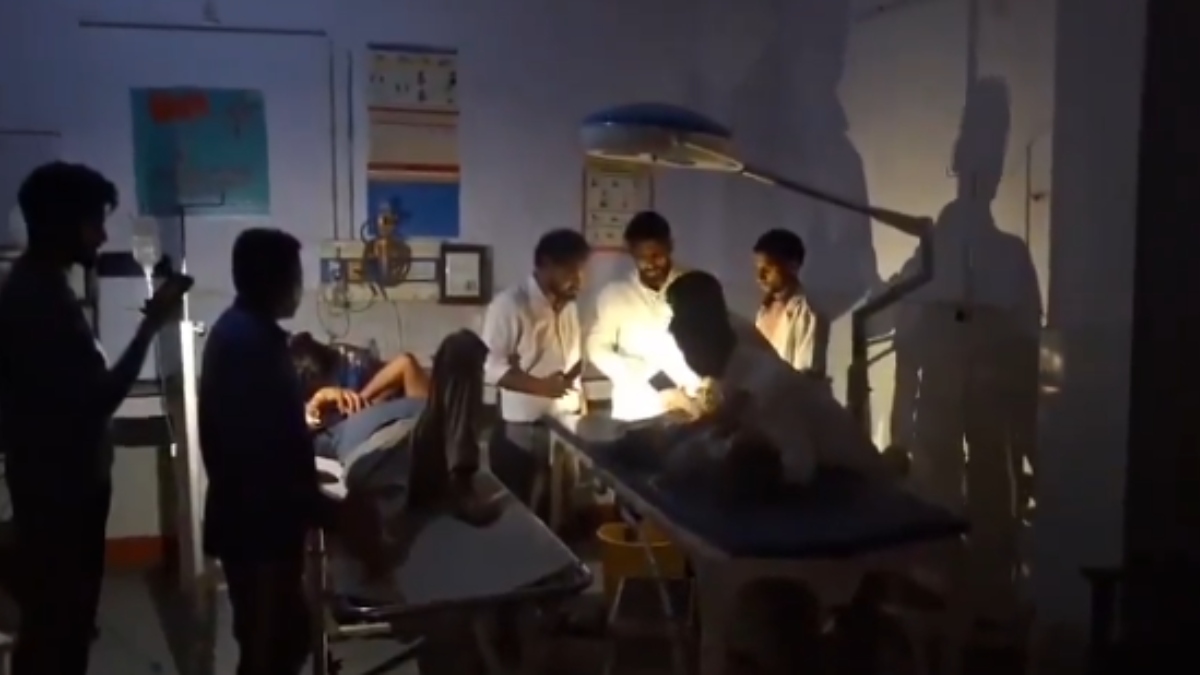
A video on social media appears to show healthcare workers attending to an injured teenager and stitching the wounds under makeshift lighting after electricity supply to the emergency section was interrupted.
According to reports, the incident happened Sunday night at about 9:30 pm when the emergency ward at the district hospital lost electricity. The outage caused doctors, nurses and other medical staff in the emergency section to struggle. Mobile phone flashlights were used to continue treatment because of the lack of normal lighting, the report says.
The video circulating online has attracted much attention because it allegedly shows medical personnel treating an injured teenager under the light provided by mobile phones. The footage has raised questions about the state of emergency facilities in government hospitals and whether backup is needed in the most vital medical areas.
The hospital’s generator and inverter also didn’t work during the outage, as reported by the hospital staff. The failure of many backup systems could raise questions about the maintenance and preparedness of the system and procedures taken during electricity disruptions and the response if confirmed. Emergency wards require constant lighting because doctors may need to examine wounds, treat patients and conduct procedures when the main power supply is out.
For patients and their families, an unexpected blackout in an emergency department can be particularly stressful. People in the emergency department can be particularly scared by sudden blackout at night. Emergency ward visitors often have to be taken to the emergency room for immediate medical attention, and inadequate lighting can make an already difficult situation more uncomfortable. Medical professionals must have the right working conditions to carry out procedures in a safe and effective way.
The incident has also highlighted backup power systems for hospitals. Generators, inverters, battery systems and emergency lighting are generally meant to help keep critical activities running during power cuts. But those facilities need to be constantly checked, tested and updated for when the situation calls for it.
The failure of the generator and inverter has made the issue more serious. Government authorities will check whether the equipment was working and if there was a maintenance issue or if another technical issue prevented backup systems from being used. A thorough assessment would also determine how long the emergency section remained without normal electricity and whether there was any delay in patient care.
The video has also raised questions about hospital infrastructure more generally. District hospitals generally serve a great deal of patients and are considered critical in emergency care to people who may not have immediate access to private medical facilities. Maintaining essential infrastructure is, therefore, important not only for patients’ comfort but also for the successful functioning of healthcare services.
At the same time, however, the information available does not show that the teenager was further harmed by the lighting issue. The footage appears to show medical staff continuing to treat the patient under difficult circumstances. The fact that they used mobile phone lights apparently enabled them to carry on their treatment rather than wait for electricity to be restored.
But mobile phone flashlights should not replace emergency lighting and backup electricity. Medical procedures need visibility, especially when healthcare workers are working on any injuries. A hospital emergency department should be able to carry on with essential operations even in the case of unexpected power failure.
The incident also demonstrates why contingency planning is so important in healthcare facilities. Hospitals can be disrupted during power interruptions for a variety of reasons from electrical problems to equipment failures and local power issues. Good backup services will decrease the impact of these disruptions and allow doctors and nurses to continue treating patients without significant interruption.
Rampur hospital’s emergency power systems will be investigated and its power systems are supposed to be examined. This could help find out if the generator and inverter were in good condition and whether the hospital staff followed protocols in the wake of the failure.
If deficiencies are identified, corrective measures may be necessary. These include servicing or replacing failed backup equipment, improving emergency lighting, conducting regular generator checks and establishing clearer protocols for dealing with electricity failures. Regular inspections would also ensure that the same problems do not happen during more serious medical emergencies.
The episode also fueled a wider debate about the quality and reliability of government healthcare facilities. Electricity is critical to modern hospitals, not only for lighting to function but also for medical equipment, monitoring systems, communication facilities and so on. So a prolonged outage can have far-reaching implications, far beyond visibility in a single ward.
For patients, the expectation is simple: emergency treatment should be available even when the hospital's basic infrastructure has not been functioning well. That is the most important thing: to have backup systems of hospitals that are working.
The Rampur incident has since raised public concern after the video was posted online. Although the actual cause of the power failure and the condition of the backup systems is under investigation, the use of mobile phone torches in the emergency ward has been reported as a serious infrastructure issue.
Patients at the district hospital in Rampur were reportedly treated under the light of mobile phone torches after a power outage disrupted services in the emergency ward.
— Hate Detector 🔍 (@HateDetectors) August 12, 2026
A video circulating on social media shows medical staff reportedly stitching the wounds of an injured… pic.twitter.com/xYcKMv8NtH
There will have to be more information shared with hospital authorities to determine why the outage occurred, why the generator and inverter were not working, and how to prevent a repeat of this. Questions around the incident remain open until an official assessment is complete.
The episode also emphasizes that emergency preparedness is crucial to hospitals. Medical staff may be able to improvise in the face of a sudden crisis at times, but patients do not need to rely on mobile phone flashlights to be treated. Backup power and emergency lighting must be the primary focus in every hospital emergency department.