New Delhi: due to the recent severe weather conditions in various areas of North India, authorities have issued a red alert due to heavy rainfall, thunderstorms, lightning and strong winds. These extreme weather conditions will result in heavy waterlogging, landslides in hilly areas and road and public services disruption.
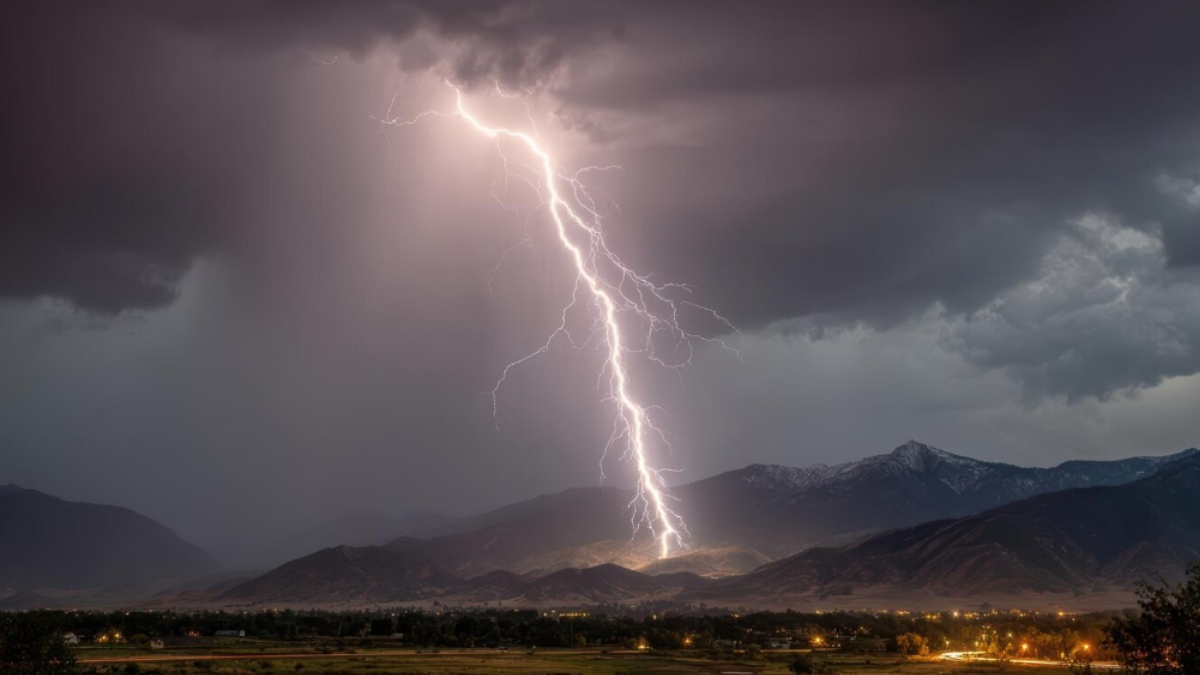
The severity of the weather conditions makes immediate and decisive action necessary to prevent accidents and protect lives and property from possible damage.
Heavy rainfall is a common cause of problems, including overflowing drains, flooded roads, power outages, falling trees, and drastically reduced visibility. Thunderstorms are especially dangerous, with lightning strikes and strong gusts of wind. Residents are warned of the dangers of such stormy weather and are urged to be especially careful in such turbulent weather.
Local authorities strongly urge people to follow weather advisories given by the authorities and not travel if the weather is bad enough and should not travel unless conditions are clear and safe to do so.
To help residents cope with these difficult situations, here are 10 essential safety tips for heavy rain and thunderstorms:
- 1. If a red alert is declared, you should be indoors and avoid going outside during the thunderstorm. Do not visit balconies and rooftops and open terraces that are dangerous to your safety
- 2. Never walk and drive through flooded roads. The depth of the water can be hard to gauge and there are hidden dangers such as submerged potholes, open manholes, and strong currents that can pose severe risks. Cars that are moving too close to floodwater can stall or lose control, making it very dangerous to go through the floodwater
- 3. Stay Away from Trees and Electric Poles. Strong winds can easily uproot trees and break branches without any warning. Downed power lines and exposed wires can also be dangerous. For safety, keep a safe distance from such structures during storms and report potential damage to the power lines to the appropriate authorities
- 4. Unplug Electrical Appliances. During severe thunderstorms, it is prudent to unplug sensitive electronics such as televisions, computers, routers, and kitchen appliances if it is safe to do so. Lightning can cause power surges that may irreparably damage electronic equipment
- 5. Don’t be in open fields, parks, hills, and hilltops or even close to isolated trees during thunderstorms. If you want safety, seek shelter in a more secure enclosed structure or a hard-top vehicle until it is safe to proceed
- 6. Have an Emergency Kit ready. It is essential to prepare an emergency kit that includes drinking water, non-perishable food, flashlights, extra batteries, mobile phone chargers or power banks, basic first-aid supplies, essential medicines, and important documents stored in waterproof covers. Such supplies would be useful in the event of long-term power outages or flooding
- 7. Keep track of official weather updates from the India Meteorological Department (IMD) and local disaster management agencies and district administration. Weather forecasts can change rapidly, and staying informed through official alerts provides the most reliable information on evacuation orders, road closures, and available emergency services
- 8. Secure Your Home. Before heavy rainfall begins, check doors, windows, rooftops, and drainage systems. Remove loose objects such as flower pots, outdoor furniture, or construction materials that may become airborne during strong winds. Additionally, ensure that rainwater drainage systems are not blocked to prevent water accumulation
- 9. If travel is unavoidable, drive very carefully. If driving is necessary, reduce your speed, activate your headlights, keep a safe distance from other cars, and don’t brake suddenly. Never try to drive through flowing water, as it can sweep away vehicles even if the water appears shallow
- 10. Help Vulnerable Family Members. It is crucial to check on elderly relatives, children, individuals with disabilities, and neighbors who may require assistance during these challenging conditions
Importance of Preparedness
Preparedness is still the most important way to prevent the dangers of weather-related events, experts say. Flood-prone areas need to prepare for the worst and make sure to have a plan for evacuation and emergency communication systems in place. Communities can play an important role by keeping drainage channels clear and reporting blocked drains and damaged infrastructure before heavy rainfall peaks.
Climate experts have stated that extreme weather events are becoming more frequent in most places due to changing climate patterns. So people, the communities, and local authorities need to take proactive safety measures rather than reactively only after disaster occurs.
Stay Alert, Stay Safe
As authorities monitor rainfall levels, river conditions, and overall weather patterns in North India, residents are encouraged not to spread false information on social media and to rely on official advisories for accurate and timely updates.
By adhering to these simple yet crucial safety measures, families can significantly mitigate risks during heavy rain and thunderstorms. Preparedness, caution, and swift action remain the strongest defenses against severe weather emergencies. By fostering a culture of safety and awareness, communities can enhance their resilience and protect themselves against the impacts of extreme weather.