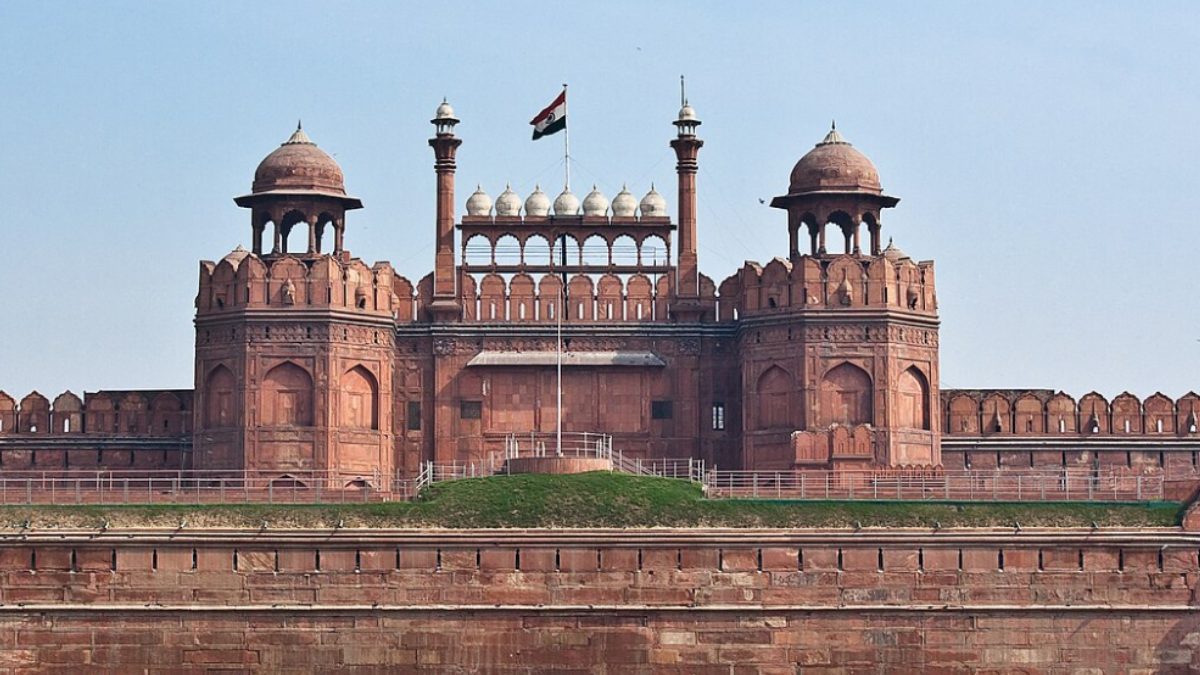
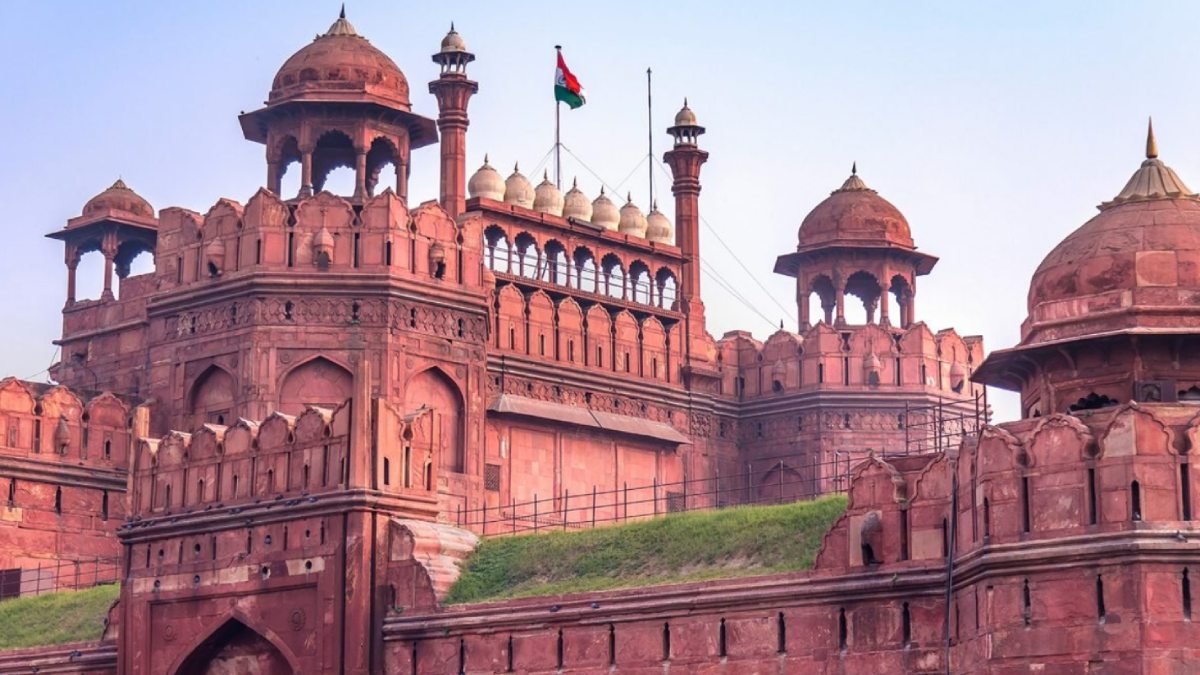
The Red Fort in New Delhi has been closed down to visitors for a week until August 15 as the government begins its preparations and security arrangements for India’s 79th Independence Day. The annual closure is a usual procedure that allows security agencies, event organizers and administrative officials to prepare the historic monument for the national event, in which the prime minister speaks to the nation and hoists the Tricolour from the Red Fort’s ramparts.
Every year, the Red Fort becomes the center of Independence Day events with the country’s highest constitutional authorities, foreign dignitaries, military personnel, schoolchildren, cultural performers and thousands of invited guests.
Due to the size and significance of the event, security preparations start well in advance and there have been temporary limitations on public access to ensure the smooth working of the system and the safety checks.
The closure is necessary to provide the site with seating arrangements, security barricades, communication systems, media platforms, sound equipment and ceremonial facilities and for the installation of the event infrastructure, officials said. Many security agencies also conduct detailed inspections of the premises to ensure that all aspects of the venue are in line with national security protocols.
The Red Fort, a UNESCO World Heritage Site with Mughal emperor Shah Jahan as its architect, is not only one of India’s most famous historical monuments but also symbolic of the independence of the country. Each Prime Minister has made a public address to the nation from its ancient Lahori Gate since 1947 on Independence Day and it is one of the country’s most important annual national events.
Security around the monument is significantly enhanced in the weeks leading up to August 15. Delhi Police, Central Armed Police Forces (CAPFs), intelligence agencies and other specialized security units all work together to secure the venue. These procedures generally consist of multi-layered access control, anti-sabotage inspections, CCTV surveillance, drone monitoring if allowed, sniffer dog squads and strict identity verification for any personnel entering the restricted zone.
Government officials have advised tourists and local residents to plan their visits, as the monument will be closed to the general public until Independence Day celebrations. According to local access arrangements, visitors coming to Delhi during this time should visit Humayun's Tomb, Qutub Minar, Purana Qila, India Gate or the National Museum.
The temporary closure also affects educational tours, guided heritage walks and ticketed visits that are normally conducted at the Red Fort throughout the year. Tourism officials typically return to regular visitor operations almost immediately after the Independence Day event is over and security conditions are relaxed.
Preparations for the national celebration also involve security agencies, cultural organizations, school students, defence personnel and government departments. Ceremonial parades are planned over several days, military bands, cultural performances, flag hoisting and other preparation procedures are also implemented to get everything right for Independence Day.
Such temporary inconvenience to tourists is important to protect one of India’s most significant national events. Independence Day draws wide public and international attention and millions of people watch the Prime Minister's address live from television stations, digital platforms, and radio networks.
The closure also allows engineering and technical teams to set up broadcasting equipment to live transmit the ceremony across India and the world. Temporary infrastructure is carefully built to preserve the monument’s heritage as well as accommodate the logistical requirements of the event.
As India is set to celebrate another year of independence, the Red Fort is back in the spotlight as a symbol of India’s democratic principles, history and unity once again. This temporary closure is indicative of the necessity to ensure the Independence Day celebrations are made in the safest, secure and respectful manner.
After the programme has ended on August 15 and the temporary installations are removed, the Red Fort will be reopened to visitors under the invitation of the Archaeological Survey of India and local authorities. However, the historic monument will be kept under a high level of security for one of the nation's most important annual events until then.