Professor Andre Beteille, a towering figure who revolutionized the study of social stratification in India, died Tuesday night. Radha Béteille, his daughter, also testified that he had been ill and died peacefully in the home after returning from a hospital visit. His rites were done in the capital on Wednesday, February 4, 2026.
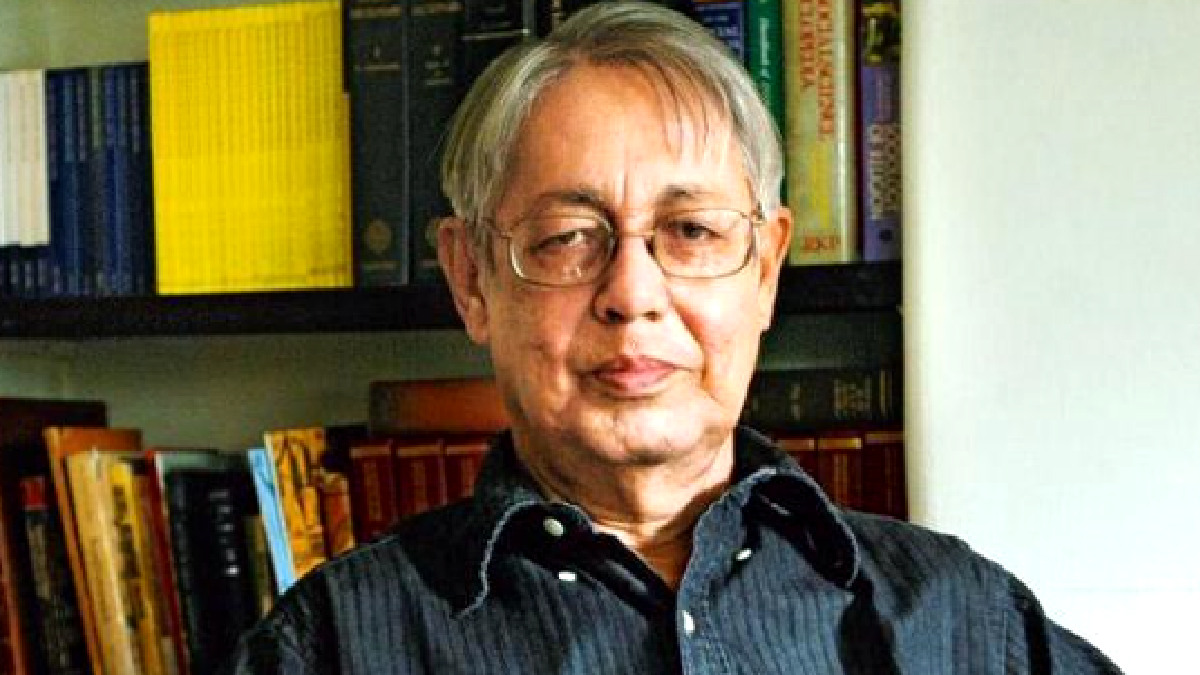
A Scholar of Global Standing
Born in Chandannagore, West Bengal in 1934 into a French father and a Bengali mother, Béteille’s mixed heritage was often influential in shaping his “comparative perspective.” He graduated from Calcutta University and served for more than 40 years at the Delhi School of Economics (DSE). His milestone text published in 1965 Caste, Class and Power: Changing Patterns of Stratification in a Tanjore Village is one of the cornerstones in Indian sociology. In his book, he applied a Weberian theory to contend that power and status in India were no longer just a product of ritual caste in this context but were now progressively influenced by, if not already, education, occupation and political mobilization.
Honors and Institutional Leadership. Béteille wasn’t mere academic: He was a committed institution builder.
- Awards: In 2005 he was awarded the Padma Bhushan for his contributions to literature and education.
- Governance: He was the first Chancellor of Ashoka University and went on to be the Chancellor of North Eastern Hill University (NEHU).
- Public Intellectual: He railed about the ‘antinomies’ of Indian society (it may be remembered that it is an all-round danger as the author has been warning against institutional autonomy and the perils of identity politics).
Tributes Pour In
His death was tragic news that spurred a wave of condolences from the academic and political worlds. Ramachandra Guha called him the “Indian scholar I most admired,” the man who provided the moral compass for the country, she wrote. His former Chief Economic Adviser, Kaushik Basu, described him as a “towering figure” with a “fantastic sense of humor,” and colleagues at DSE described him as a “kind natured” teacher who taught generations of sociologists.
Major Works
Professor Béteille’s prolific career produced a number of classic volumes, including: Castes: Old and New (1969). The Idea of Natural Inequality and Other Essays (1983). Society and Politics in India (1991). Antinomies of Society (2000).

His influence endures in the form of his students and the many writings created from him that provoke contemporary India’s intricate hierarchies and modernization process today, that he still leaves and redefines the layers that are hierarchy and modernization in India.