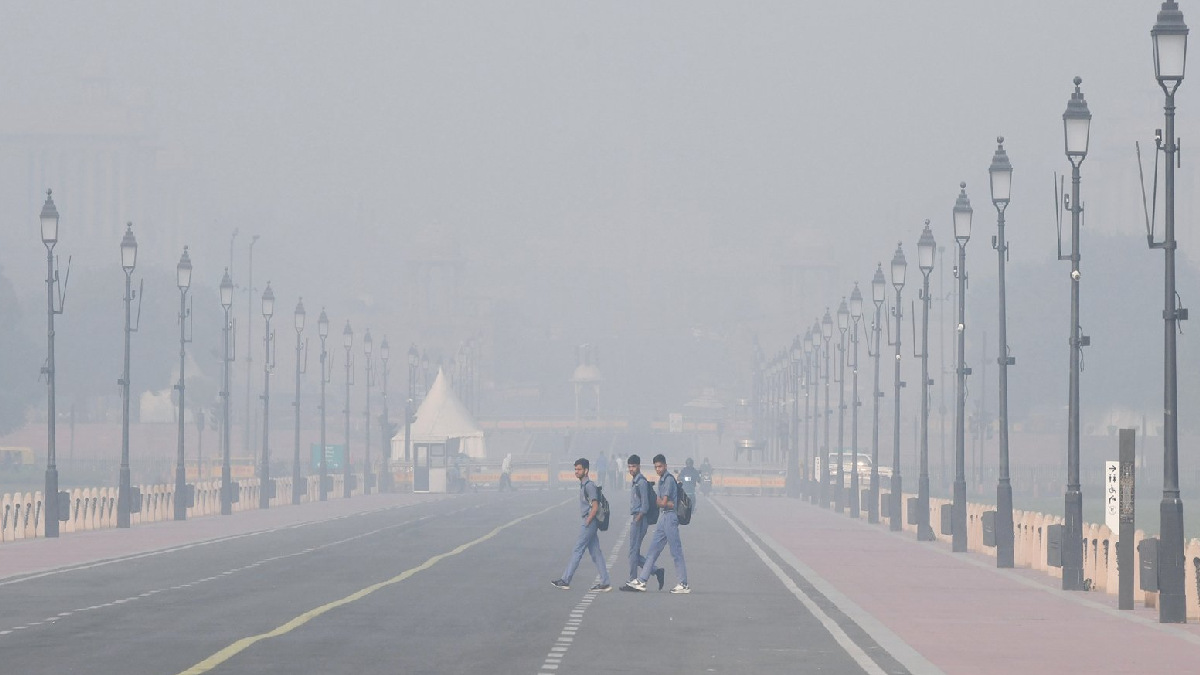
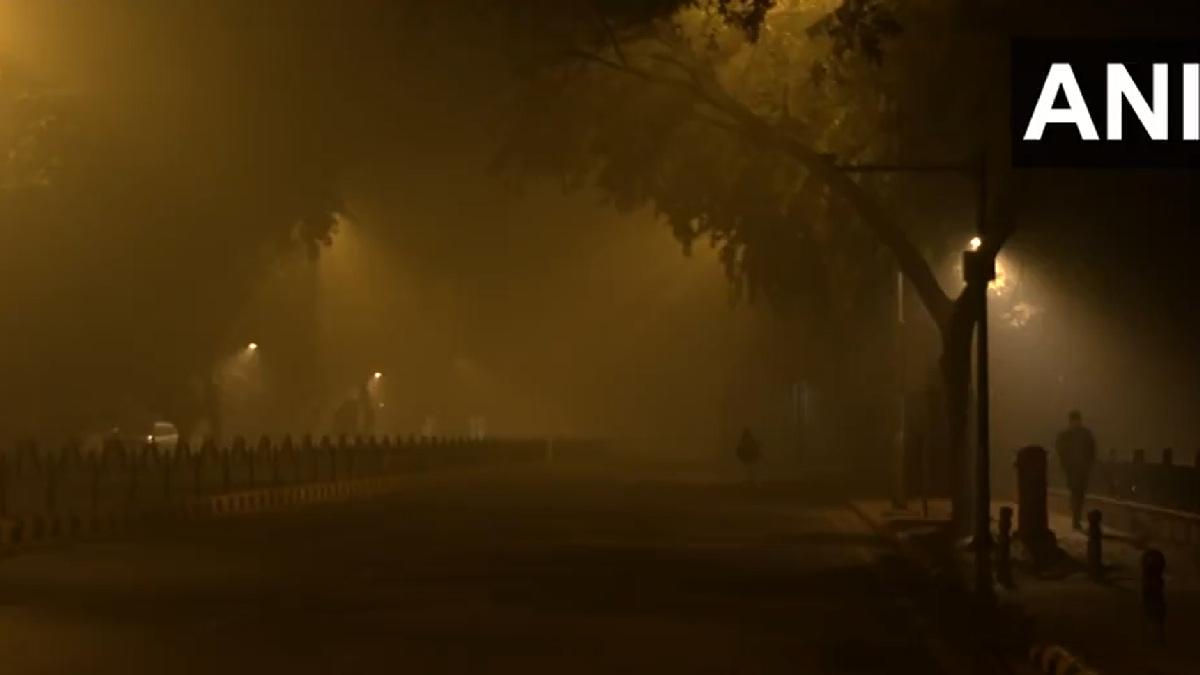
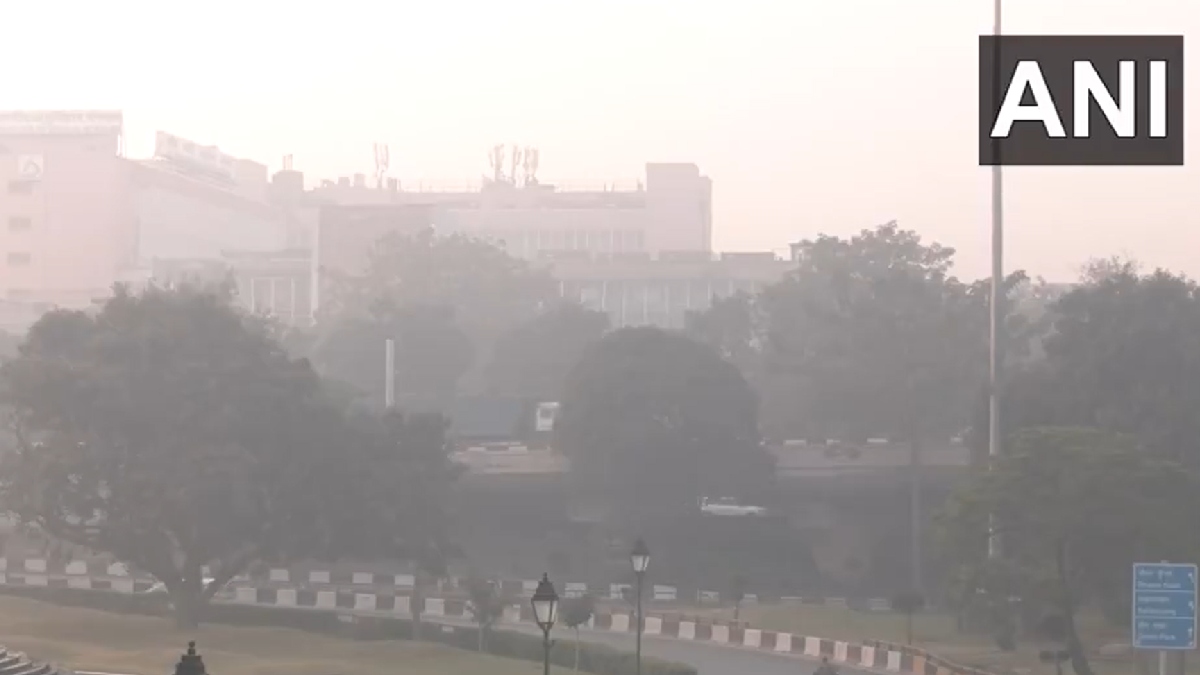
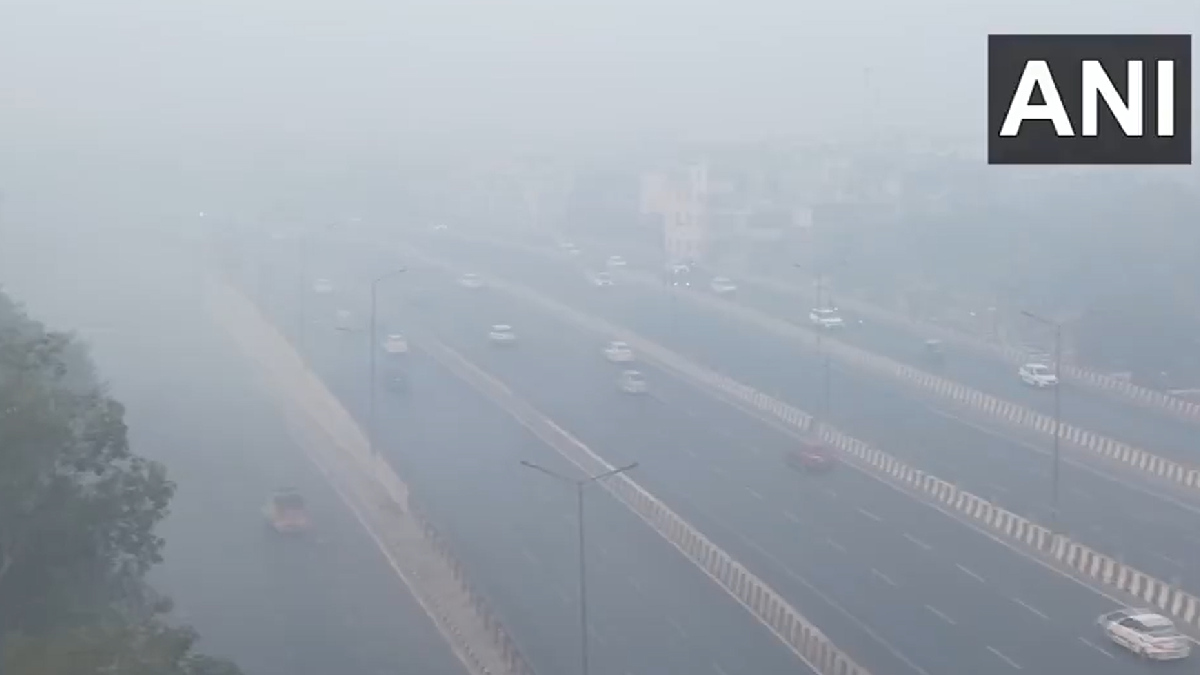
Delhi witnessed a marginal, but critical, improvement in its air quality on Wednesday, with the overall Air Quality Index (AQI) recording at 269. This reading places the national capital firmly in the 'Poor' category, a notable drop from the 'Very Poor' readings (typically above 300) recorded over the preceding days. The slight respite is attributed to favourable meteorological conditions, including slightly increased wind speed, which aided the dispersion of accumulated pollutants. However, the air quality remains a serious health concern, necessitating continued vigilance and aggressive enforcement of anti-pollution measures.
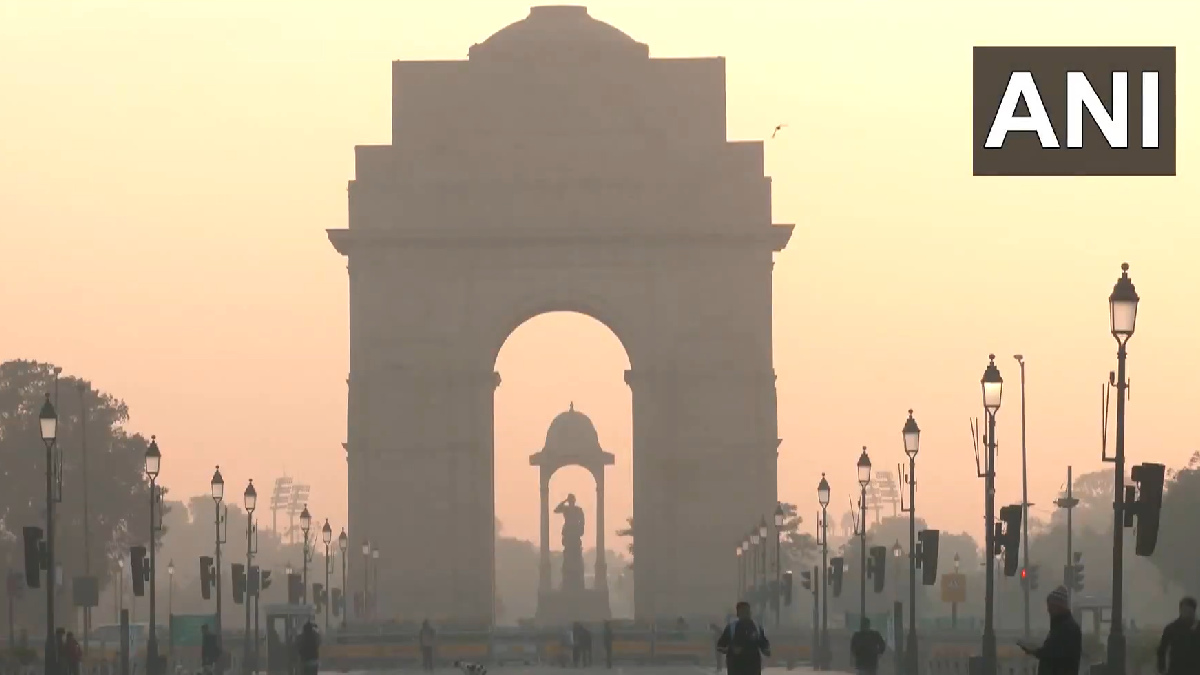
AQI Improvement: From 'Very Poor' to 'Poor'
According to data from the Central Pollution Control Board (CPCB), the AQI of 269 is a positive change, pulling the city out of the hazardous 'Very Poor' classification it had frequently dipped into. While the reduction is welcome, it is important to note that air quality in the 'Poor' category can still cause breathing discomfort to most people on prolonged exposure. Several localized hotspots across the city, such as Jahangirpuri and Shadipur, continue to record AQI figures near or above the 300 mark, indicating that the concentration of fine particulate matter (PM2.5 and PM10) remains high in certain zones.
Delhi Government Announces ₹5,000 Fine on Open Burning
In a major move to tackle local pollution sources, the Delhi government has announced strict enforcement measures, authorizing field-level officers to impose an instant fine of ₹5,000 on anyone found burning garbage, leaves, plastic, rubber, or other waste materials in the open. This action follows continuous directions from the National Green Tribunal (NGT), which had previously prohibited the open burning of waste.
- Enforcement Authority: The Environment Department has empowered officials, including deputy tehsildars, sanitary inspectors, and senior officials of the Municipal Corporation of Delhi (MCD), to levy and collect the compensation on the spot.
- Targeting Local Sources: The order aims to curb one of the most visible and widespread sources of local air pollution, particularly during the winter months when low temperatures and wind speed trap toxic emissions close to the ground.
- Beyond Garbage: The crackdown also includes the prohibition of coal and firewood use in tandoors across hotels and restaurants, signifying a broad effort to address all non-industrial, local combustion sources contributing to the smog.
The government has urged citizens to cooperate fully with the ban, emphasizing that collective action is essential for maintaining cleaner air in the city.