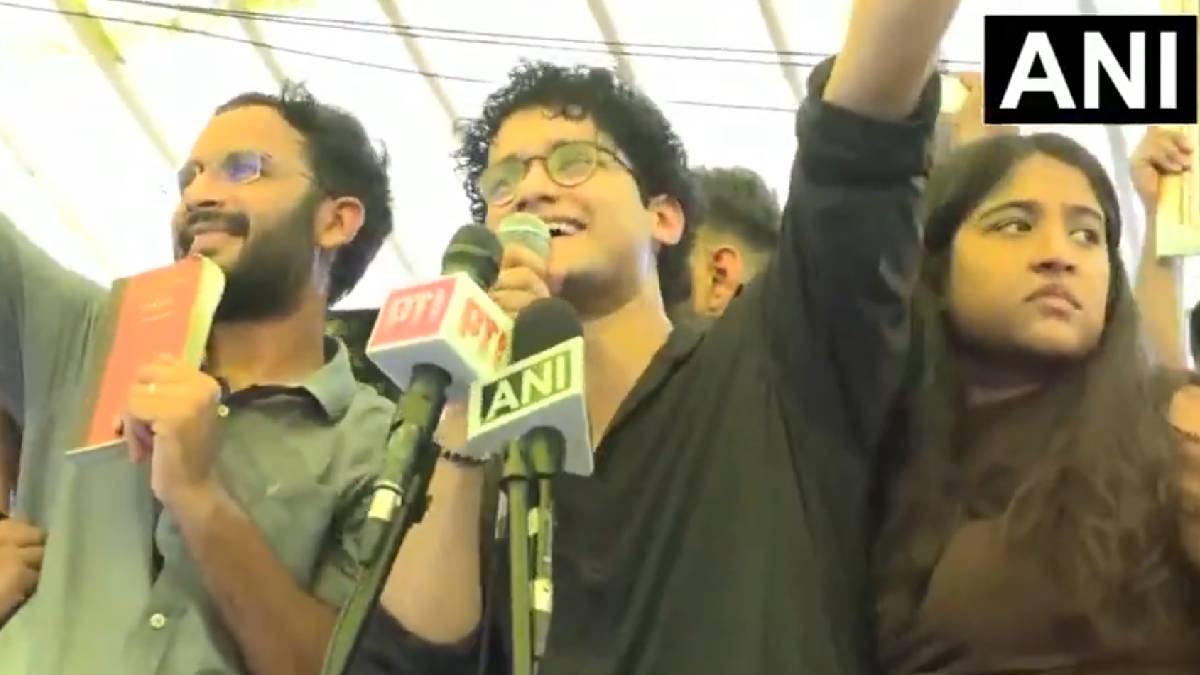
The Supreme Court has approved a Public Interest Litigation (PIL) stating that Jantar Mantar is a good place for protests and public demonstrations, but not the place to be.
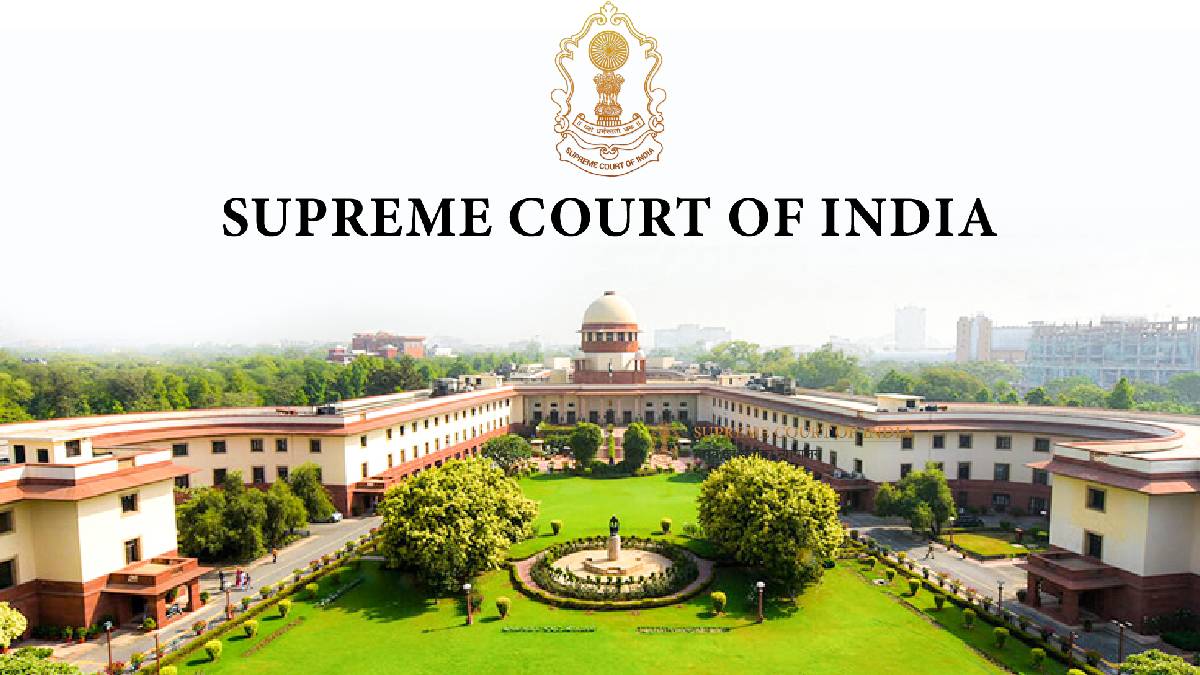
Jantar Mantar has for years been one of the most prominent protest venues in the national capital. In central Delhi and near important government institutions, students, farmers, employees, civil society organisations, political organisations, and people looking in for action on a wide range of issues have been protesting there.
But the PIL has said that the location cannot accommodate these kinds of large gatherings in the absence of the city’s residents, commuters and people who depend on essential services. Traffic congestion, road blockages, crowd control, and disruption to the city because of repeated demonstrations in the area are among the issues highlighted in the petition.
The Supreme Court has therefore opened a dialogue about the constitutional right of peaceful protest in relation to the public’s right to peaceful movement and access to essential facilities by agreeing to examine the PIL.
The right to protest is closely linked to the freedoms guaranteed under Article 19 of the Constitution. Citizens have freedom of speech and assembly. But in the interests of public order (security and others’ rights), reasonable restrictions must be put in place. Peaceful protest was recognised by the courts as essential for a democratic society, and public demonstrations should not lead to prolonged obstruction or significant inconvenience to the common people.
The petition’s main argument seems to be that the suitability of Jantar Mantar should be reconsidered considering changes in traffic patterns, urban development and the growing scale of demonstrations. It has raised the question of whether alternative locations could be developed to accommodate protests while reducing the impact on residents, commuters and essential services.
This case might also spur a wider conversation about the need for well-planned protest spaces in big cities. And such places would need adequate infrastructure, entry and exit points, sanitation facilities, emergency access, public transport connections and effective security arrangements.
And it will raise concerns among activists and civil society organisations if protests are shifted away from Jantar Mantar. The location of the city and proximity to the seat of government has made it symbolic for people who want to draw attention to their demands and those who are trying to galvanize them in public and to public and official eyes.
The Supreme Court’s decision to consider the PIL is not a final verdict. We will hear arguments of the petitioner, and we are sure that there are going to be many responses in the case, so we need to hear from all of the parties before we make any decision.
The proceedings could have wider implications for protest management in Delhi and other major cities. And so it might answer a fundamental constitutional and administrative question: How can democratic dissent be protected while public movement, emergency access and essential services are not adversely affected?
All this is going to be settled in this case at the Supreme Court, so the debate should be about the right to peaceful assembly and the rights and convenience of the general public.