A major landslide in Sikkim’s Rimbi area has affected more than 30 houses after huge amounts of mud, rocks and debris came crashing down from the upper slopes. Many of the affected areas had been affected by heavy mudslides, with mudslides moving towards the lower-lying areas.
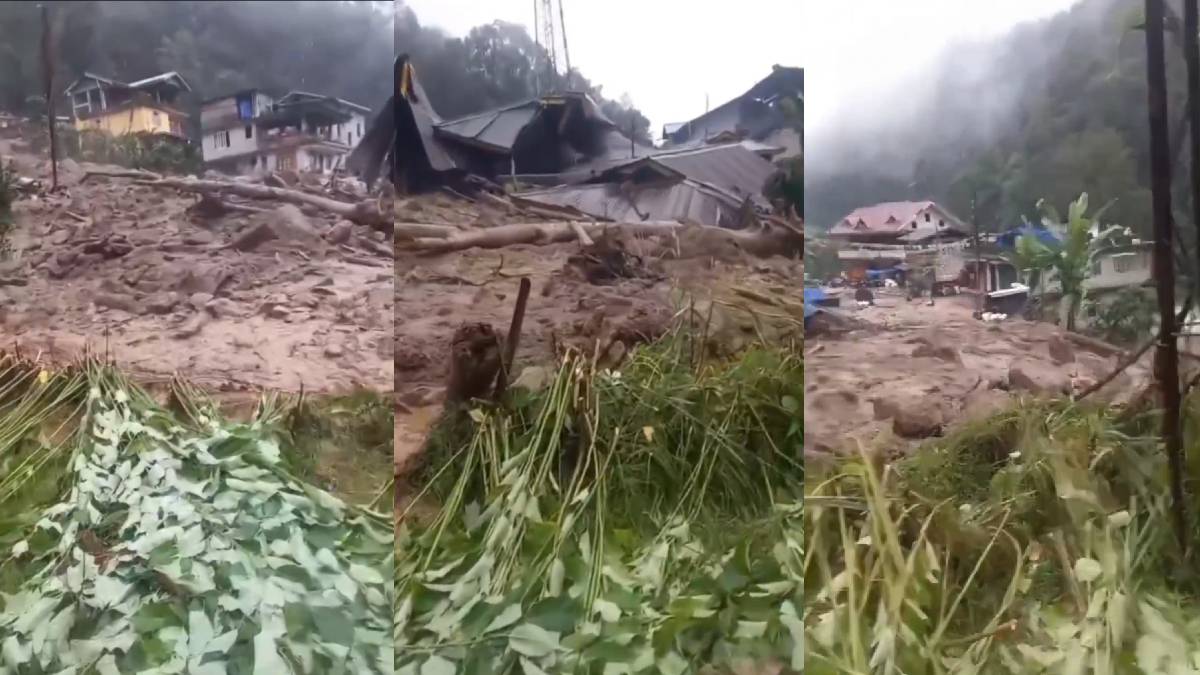
According to the available information, the landslide occurred when heavy mud and debris were falling from the upper slopes, and the sudden movement deposited soil, rocks, and other debris into the lower areas, affecting residential properties along its path.
More than 30 houses were affected by the incident. The damage to individual properties and infrastructure is still being assessed. Residents living near the slopes were also worried about access and safety, as debris falling from them has been reported so far.
Landslides are a perennial hazard in mountainous parts of Sikkim, especially during heavy rainfall. Steep terrain, saturated soil and the movement of loose material on hillsides raise the risk of mudslides and debris flows. When so much water enters the soil, slopes can be unstable, and mud, rocks and other material can move fast downhill.
#WATCH | Sikkim | A major landslide in the Rimbi area has left more than 30 houses affected. The incident was triggered by heavy mudslides and debris coming down from the upper slopes, sending large quantities of mud, rocks and other debris towards the lower areas
— ANI (@ANI) September 25, 2026
(Video source:… pic.twitter.com/5rhBlSoiTB
Rimbi illustrates the risk faced by communities in potentially vulnerable hilly areas. A relatively small slope failure can quickly develop into a larger debris flow when it carries additional soil, rocks and vegetation downhill.
Residents in and around the affected area will be kept on edge since unstable slopes might persist after an initial landslide. After such incidents, authorities monitor vulnerable sites (especially if rainfall continues) because they might see some additional movement on already weakened slopes.
The recent incident comes amid continued concerns over landslide-prone areas across the Himalayan region. Sikkim's mountainous terrain makes many communities vulnerable to landslides, rockfalls and road blockages during heavy rain.
Rimbi will be further evaluated as officials determine the extent of damage to houses and other local infrastructure. Residents living in vulnerable locations should be alert to signs of slope instability: cracks in the ground, sudden movement of soil or rocks, and sudden changes in drainage patterns are common.
The focus now is on assessing the damage caused by the landslide and ensuring the safety of people living in the affected areas. Details of casualties, infrastructure damage, and possible evacuation measures will be forthcoming from local authorities.