The rescue teams have resumed operations at the site of the devastating tunnel collapse in Sikkim’s Namchi district after a four-day suspension as toxic gases and unstable debris have disrupted operations in Sikkim’s Namchi district.
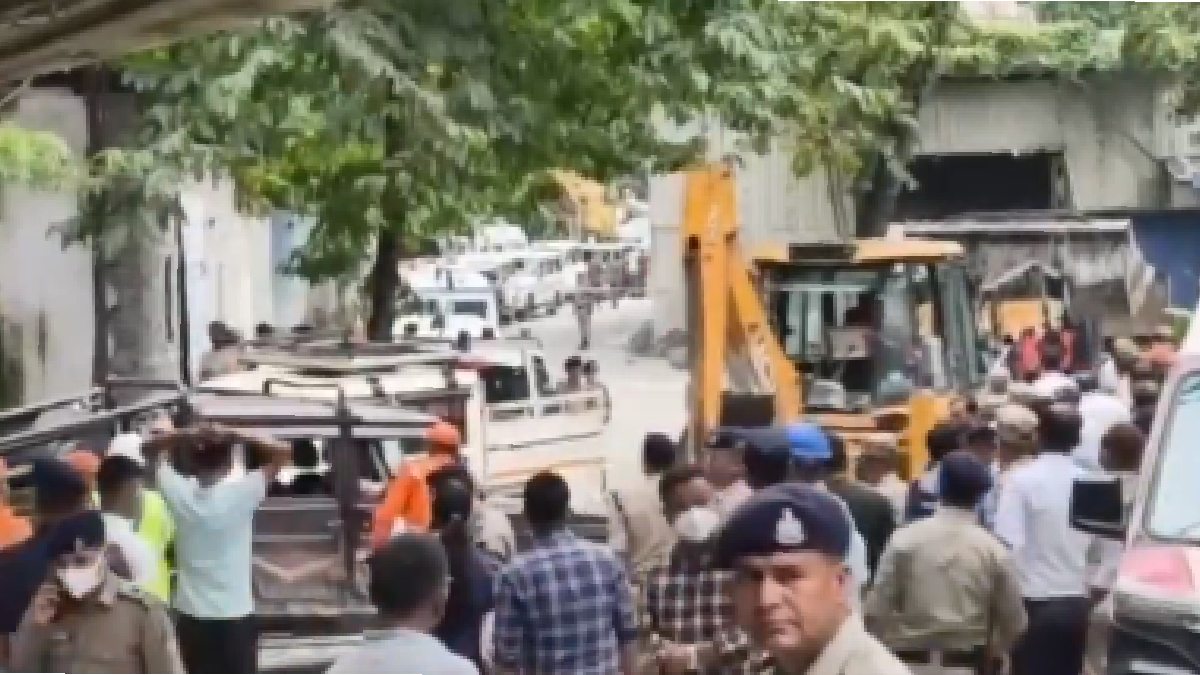
The death toll is now 22, and the search is ongoing for the workers trapped in the under-construction tunnel at NHPC Teesta Stage VI Hydroelectric Project.
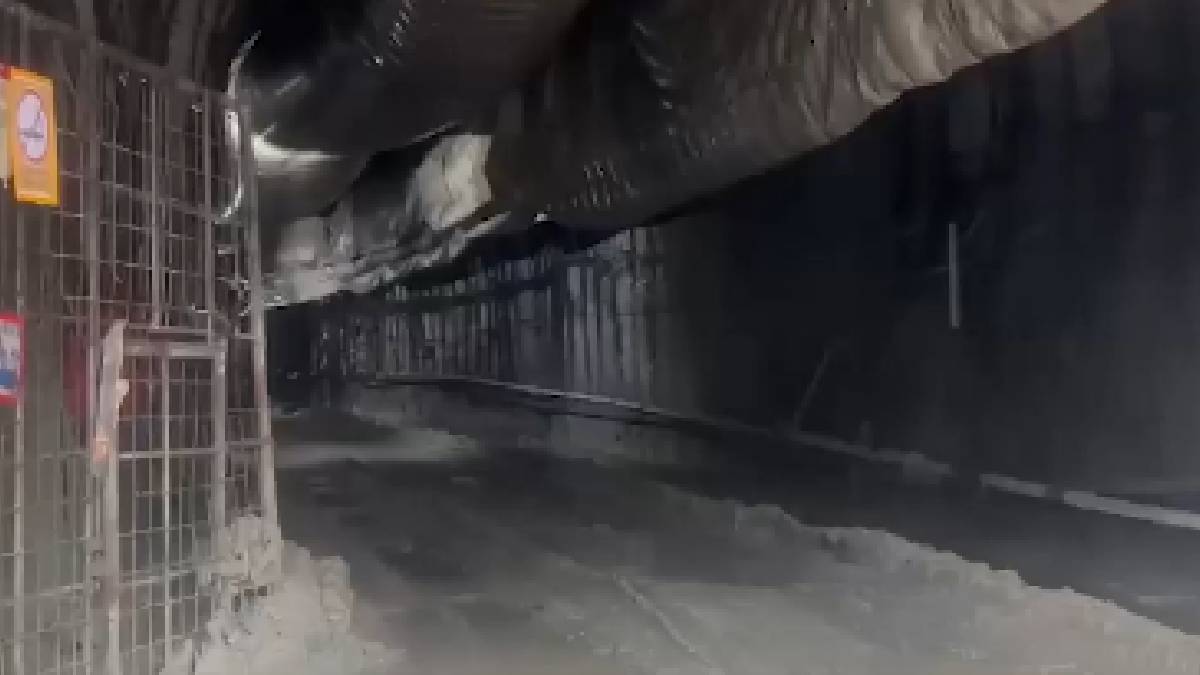
The accident occurred when an explosion of methane gas under the tunnel triggered a massive collapse, trapping hundreds of workers in the tunnel. Sections of the tunnel opened to the blast and rescue workers were left in an extremely difficult situation in one of the country’s most difficult landscapes.
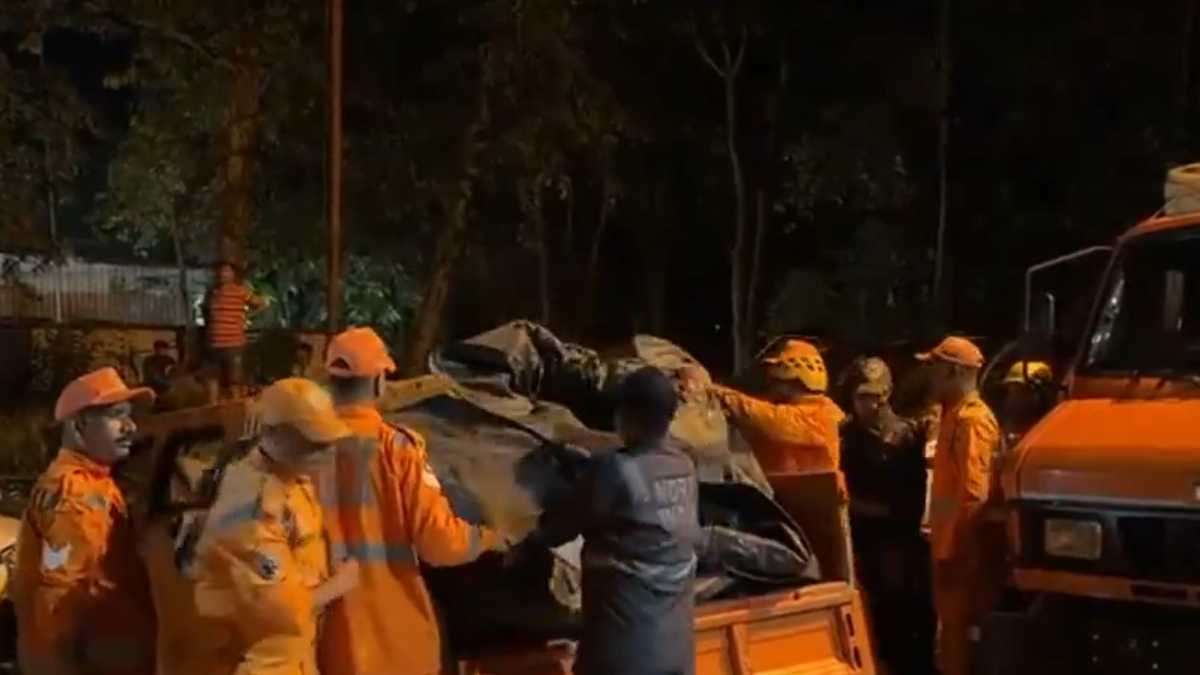
Since the incident, different agencies such as the National Disaster Response Force (NDRF), State Disaster Response Force (SDRF), Indian Army, NHPC engineers, local police and district administration have been working around the clock to rescue survivors and recover victims.
Specialised rescue equipment, excavators, gas detectors, ventilation systems and thermal imaging devices have been deployed at the site.
Rescue operations were briefly stopped after methane, carbon monoxide and hydrogen sulfide were detected in the tunnel, officials said. Structural instability, falling rocks, water seepage and low oxygen levels were also a threat for rescue workers, they said. Teams resumed working after thorough safety checks and better ventilation with people entering the tunnel at short intervals in breathing apparatus and protective gear.
The rescue team has also recovered more bodies from the collapsed section and brought the death toll to 22 in the last week of operation.
There is still a possibility that more workers are still trapped under tonnes of debris and heavy machinery is being used cautiously to prevent another disaster, while rescue workers are manually clearing rubble in areas that are sensitive to safety.
The tunnel is part of the Teesta Stage VI Hydroelectric Project, a major power generation project in Sikkim that hopes to boost renewable energy generation in the region.
But the disaster has once again emphasized the engineering challenges of large infrastructure projects in the geologically fragile Himalayan region where landslides, underground gas pockets and unstable rock formations always pose a threat.
Experts believe methane in the tunnel could have ignited and caused the deadly explosion. So investigators will investigate whether gas monitoring systems, ventilation systems and emergency safety measures were in place prior to the accident.
Narendra Modi expressed his grief at the tragedy and assured the Sikkim government of all possible assistance from the Centre. He also announced ex-gratia compensation for the families of those who lost their lives through the Prime Minister's National Relief Fund.
Sikkim tunnel collapse:
— News Arena India (@NewsArenaIndia) July 23, 2026
22 bodies recovered, search ops underway to trace 3 more workers. pic.twitter.com/jPehg2m2aa
Sikkim Chief Minister Prem Singh Tamang visited the site, met rescue officials and ordered a high-level investigation into the incident while announcing additional financial assistance for the victims' families.
Outside of the tunnel, anxious relatives wait for news and rescue teams are working continuously. Medical teams, ambulances and counseling services are also on hand near the project site to help survivors and families.
The tragedy has revived demand for safety on underground construction sites in India.
Local experts have recommended that gas detection systems be strengthened, emergency evacuation protocols implemented, geological assessments carried out regularly and constant monitoring of hazardous conditions during tunneling operations.
The search for every missing worker is the main challenge, and the sequence of events that led to one of the deadliest tunnel accidents in Sikkim’s history is still not yet fully discovered.
The results of the investigation will inform future safety regulations for large infrastructure projects in the country that the country needs to meet.