Tamil Nadu Minister V.K. Rajeev has said the ban on single-use plastic remains and the availability of affordable alternatives to it can reduce consumers and businesses’ reliance on disposable plastic products.
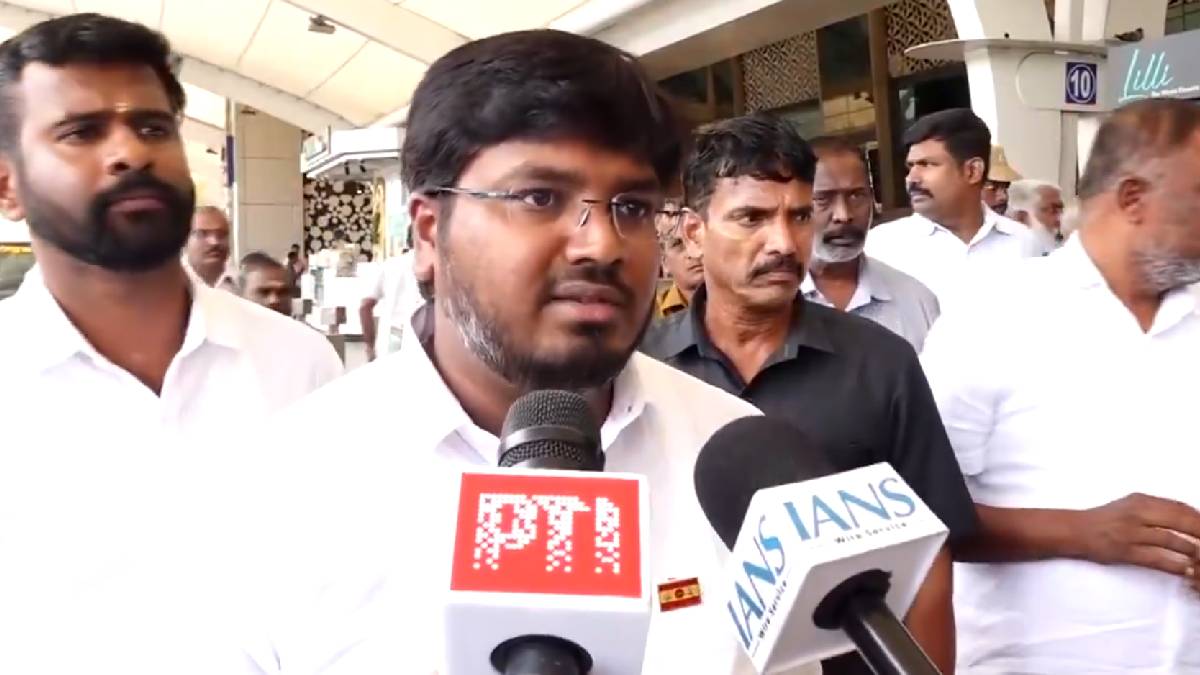
Rajeev said on the issue, "Single-use plastic is still banned, but we have brought many affordable alternatives for it.” His comments underline the government's continued focus on reducing plastic waste and also on having options for people to replace banned plastic products.
“Single-use plastic continues to be banned, we have brought many affordable alternatives for it.”
— News Arena India (@NewsArenaIndia) August 8, 2026
- TN Minister VK Rajeev pic.twitter.com/Ymu6HnkbEg
Single-use plastic has always been a major environmental concern because plastic products are often used in the short term and discarded only for a very short time. Plastic bags, disposable containers, cutlery, cups, packaging materials and other components can be very hazardous for the environment and contribute to more and more waste produced in our cities.
The problem becomes a lot more serious if plastic waste is not collected or disposed of properly. Discarded plastic can enter drains, rivers and other water bodies and, as a result, waste can also cause problems for municipal waste-management systems.
Tamil Nadu is one of the states to have taken steps to limit the use of identified plastic products and to promote alternatives. Not only does the government have to restrict the use of these plastic products, but it also has to urge consumers, traders and business people to use different materials.
Rajeev’s emphasis on affordability is particularly important for small businesses and ordinary consumers. If alternatives are expensive or difficult to obtain, a plastic ban can be difficult to implement well. With the availability of readily available substitutes, shops, restaurants, vendors and households can comply with the restrictions.
Reusable bags, cloth products, paper-based materials and other alternatives can be options, depending on what is being replaced with the product. Reusable alternatives can also reduce the need for consumers to buy disposable products and the need for the same products to be delivered again and again.
But moving away from single-use plastic requires multiple stakeholders. Government agencies need to ensure effective enforcement, manufacturers need to increase the availability of alternatives, businesses need to shift their packaging practices, and consumers need to make sustainable choices.
For retailers and street vendors, the availability of low-cost alternatives can be particularly important. As a result, many small businesses have come to rely on disposable packaging because it is convenient and inexpensive. It is easy to get the goods you want without an excessive financial burden on their business.
Consumers have to play a role too. Reusable shopping bags, refillable water bottles, and stopping the use of disposable products could reduce the amount of plastic in the waste stream.
The government’s continued emphasis on alternatives also speaks to the larger existential problem of balancing environmental protection with everyday convenience. Plastic products were widely adopted mainly because they are lightweight, inexpensive, and easy to use. Replacing them necessarily requires alternatives that can provide a similar convenience but not create similar environmental problems.
The issue is also intimately associated with waste management. Reducing plastic consumption at its source can also reduce the strain on collection, recycling and disposal systems. It can also reduce the amount of plastic that reaches natural ecosystems.
At the same time, governments need to make sure that the alternatives being advocated are actually sustainable and do not just replace one waste problem with another. The environmental impact, production process and disposal of substitutes are also to be assessed properly.
Rajeev’s statement thus reinforces two messages: the ban on single-use plastic remains in place, and consumers and businesses have affordable alternatives available to them.
As Tamil Nadu continues to fight plastic pollution, the program will only work if it is enforced with public awareness and the use of practical alternatives to plastic pollution.
In the long run, the state’s ultimate goal is not to prevent the use of a particular kind of plastic product but to promote more responsible consumption, reusable products and better waste management practices.
When the transition is more affordable, then cooperation between the government, industry, businesses and the public will be necessary to generate a significant reduction in plastic waste across Tamil Nadu.