India is on the verge of a historic breakthrough in the private space industry with Skyroot Aerospace preparing to launch the country’s first privately developed orbital rocket. Now is the time to go on a mission that will define India’s rapidly expanding commercial space industry and cement India’s leadership in the space industry around the world.
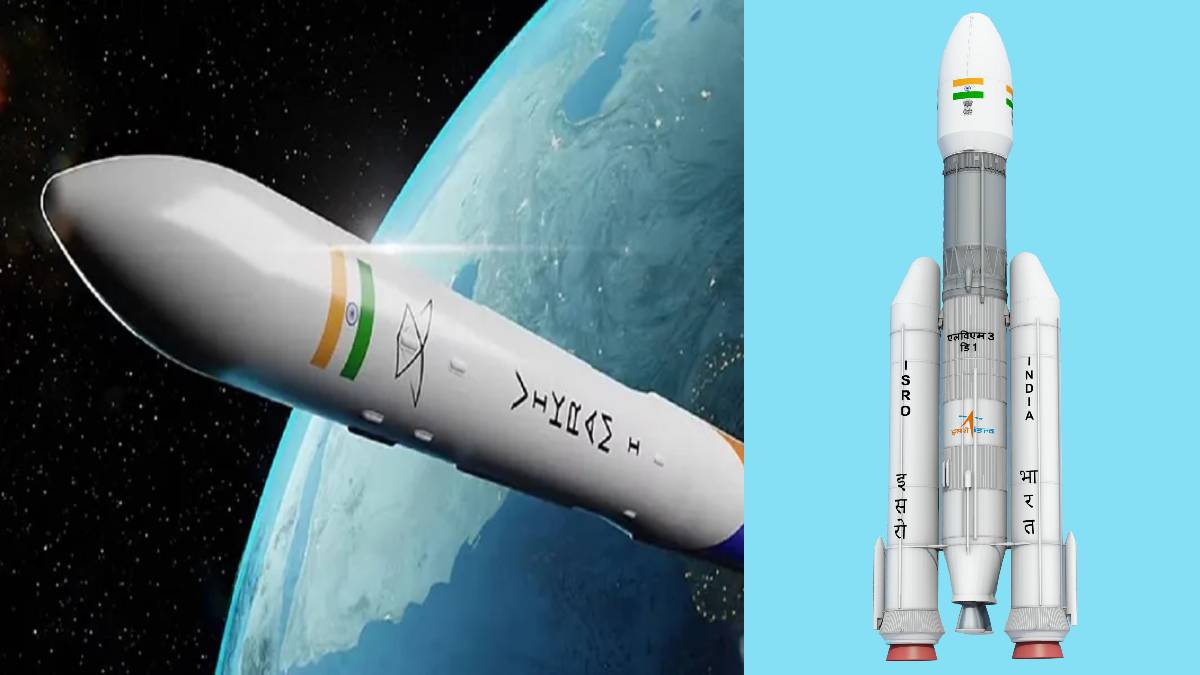
Founded in Hyderabad in 2018 by a group of former ISRO engineers, Skyroot Aerospace has emerged as one of the leading space technology startups in India. The company has been developing the Vikram series of launch vehicles to provide affordable, safe, and reliable satellite launch services for customers worldwide.
The upcoming orbital mission is an enormous step beyond Skyroot’s previous accomplishments. Vikram-S, India’s first privately built rocket to take flight in space, was successfully launched on a suborbital mission in 2022. The planned orbital launch will launch satellites into orbit to show the company’s capability to compete in the rapidly growing global small satellite launch market.
The mission will also feature several indigenous technologies that Skyroot is developing, such as advanced propulsion systems, highly efficient composite structures, and 3D-printed components of rocket engines. These technologies will reduce manufacturing costs, increase launch speed, and enhance mission flexibility.
The launch also reflects the transformation of India's space sector following policy changes that opened space activities to private companies. The establishment of IN-SPACe (Indian National Space Promotion and Authorization Centre) and regulatory support from the Government of India have encouraged startups and private enterprises to participate in satellite manufacturing, launch services, spacecraft development, and downstream space applications.
India's commercial space economy has experienced huge growth in recent years, with many startups entering the space industry. Companies are developing launch vehicles, satellite platforms, Earth observation technologies, communication systems, and space-based data services, attracting significant domestic and international attention.
The global demand for small satellites has increased rapidly due to increasing applications in telecommunications, navigation, climate monitoring, agriculture, disaster management, defense, and scientific research. Skyroot aims to be a competitive launch provider with differentiated and responsive launch services for these growing markets.
If successful, the mission will make Skyroot Aerospace the first Indian private company to launch a rocket to orbit, which is an achievement not only for the company but also for India's larger ambition to emerge as a leading commercial space destination.
The achievement will help build investor confidence in India’s space startup ecosystem and drive more innovation in the aerospace industry. It may also lead to new business opportunities for international satellite operators to work with space startups to create more affordable launch solutions for global satellite operators, research institutions, and commercial customers looking for affordable launch solutions.
India's space sector has gained worldwide recognition from missions such as Chandrayaan, Mangalyaan, and the Aditya-L1 solar mission. The rise of private companies like Skyroot shows that the government's ability to create and execute space missions and entrepreneurial innovation is at the heart of the country’s global space economy.
Private launch providers will play an important role in space exploration for startups, universities, governments, and commercial enterprises in the future to reduce launch costs, increase mission frequency, and expand access to orbit for a global market.
As Skyroot Aerospace prepares for this landmark mission, it symbolizes the start of a new era for India’s private space industry. A successful orbital launch would not only showcase indigenous technological capability but also enhance India’s global standing as a space and aerospace hub for affordable, reliable, and innovative space solutions.