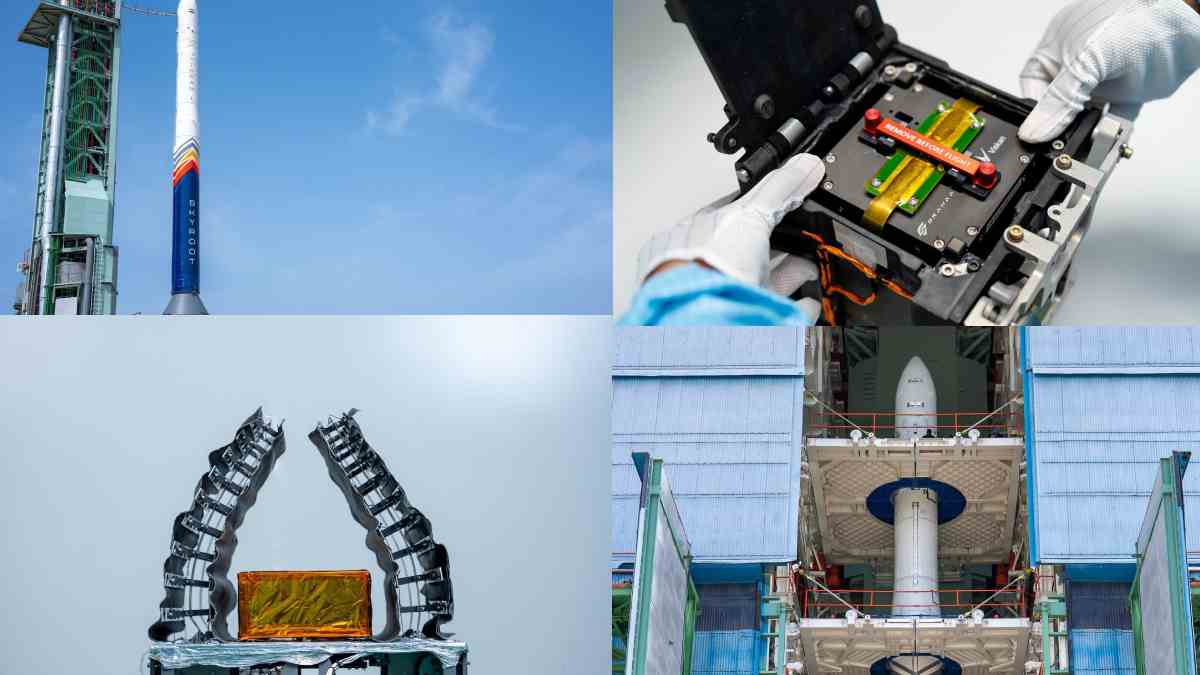
India’s booming private space industry has reached a new stage with the launch of Vikram-1, the country’s first orbital launch vehicle by Hyderabad-based Skyroot Aerospace. The mission– Mission Aagaman– is a step forward for India and could see the country join a very small group of countries that can launch orbital missions from the ground.
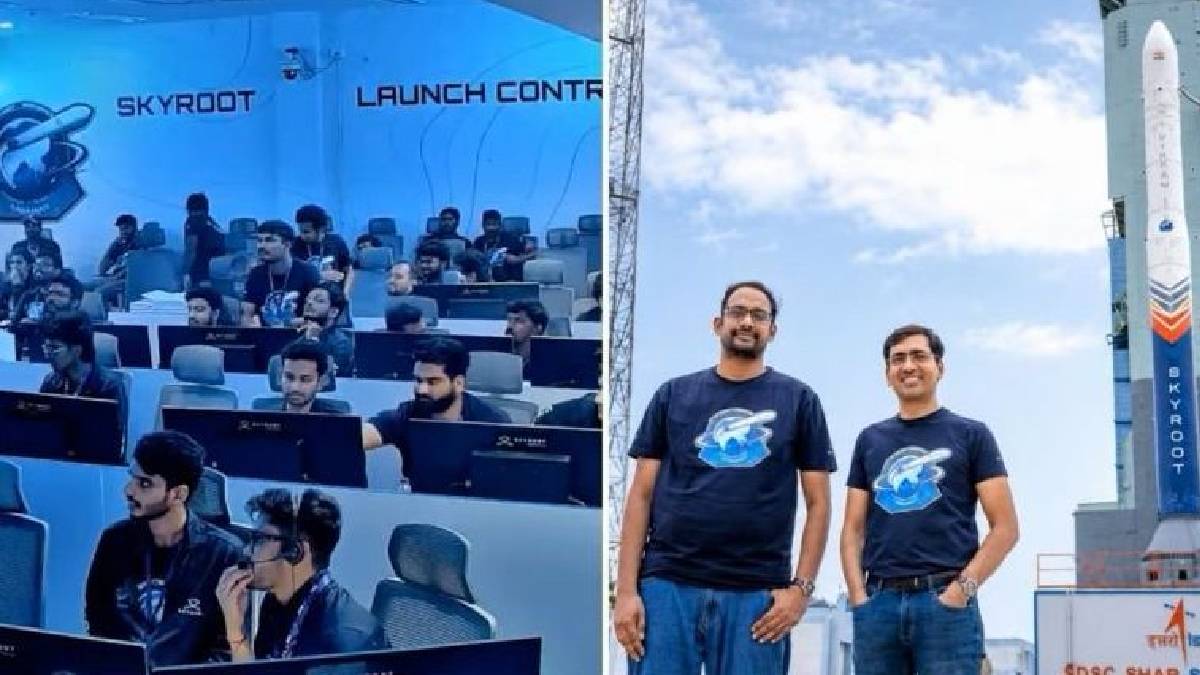
The company was founded by former ISRO engineers and IIT graduates Pawan Kumar Chandana and Naga Bharath Daka. Skyroot Aerospace is one of the most promising space technology startups in India. Vikram-1 will be a demonstration that private Indian enterprise can build and launch orbital-class rockets, and it will show the world that we can create and launch rockets independently in India.
Mission Aagaman: A historic leap
The Vikram-1 rocket is designed to carry multiple payloads into a 450-kilometre Low Earth Orbit (LEO). The mission is the product of years of work by Skyroot's team in research, engineering, and testing.
The launch vehicle has a four-stage design that allows it to carry payloads into orbit and display several indigenous technologies developed by the startup.
If the mission is a success, it will mark a historic moment for Skyroot Aerospace as well as for India’s rapidly growing private space ecosystem.
Tribute to India's scientific Legends.
One of the most unique aspects of Mission Aagaman is its symbolic payload.
Among the technology demonstrators onboard are mini-sculptures of Nobel laureate Sir C.V. Raman, Dr. Vikram Sarabhai, and former President Dr. A.P.J. Abdul Kalam engraved on an 18-karat gold miniature.
The tribute is in recognition of three of India’s greatest scientific visionaries whose achievements in science, technology, and space exploration created a framework for the country’s achievements.
A New Era of India's Space Sector.
The mission is indicative of the transformation of India's space industry after the government decided to open the sector to private participation.
Until recently, orbital launches were only done by the Indian Space Research Organisation (ISRO). But recent policy changes have led to startups such as Skyroot Aerospace developing the launch vehicle, satellites, and other advanced space technologies.
Vikram-1 will further strengthen India's position in the commercial launch market, and the demand for affordable satellite launches is increasing in the world.
Leaders Hail the Achievement
Narendra Modi called the mission a historic day of Indian innovation and entrepreneurship.
He added that young Indian innovators are expanding the country’s space exploration and innovation base.
Former ISRO chairman S. Somanath also praised Skyroot Aerospace and said that the mission was an example of India’s entrepreneurial spirit and technological capabilities.
He said the emergence of private launch companies is evidence of the maturity of India's space ecosystem and its ability to compete globally.
A Milestone for the Nation
If Vikram-1 is able to put its payloads into orbit, India will be only the third country in the world to carry out an orbital launch through a private company, so it will be part of the growing spacefaring world, which includes a handful of developed countries.
Besides the technical success, the mission also shows the confidence that India’s startup ecosystem is building and its contribution to space exploration as a whole.
With Mission Aagaman, Skyroot Aerospace has not only taken such a big leap for private enterprise but has also consolidated India’s capabilities for leading the world in space, and is a step towards its mission of becoming a major player in the space industry.