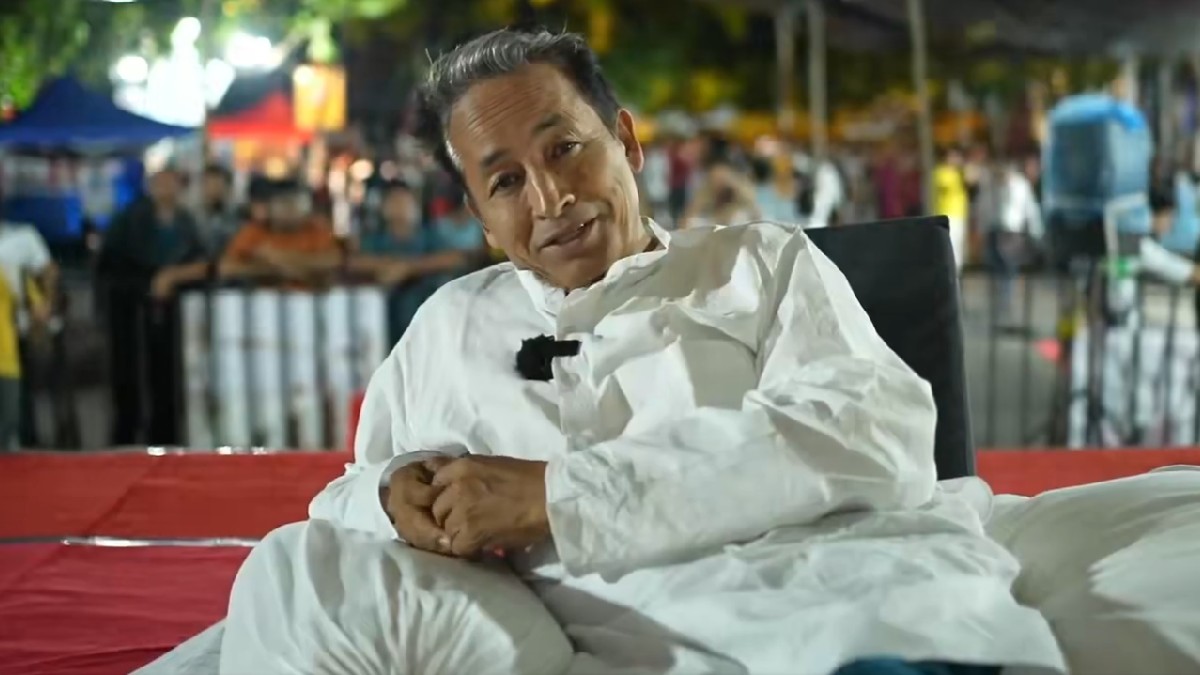
Sonam Wangchuk, activist and education reform advocate, believes the founders of the Cockroach Janta Party (CJP) have political ambitions, but the leaders have never directly told him about any plans to enter electoral politics, Wangchuk said. Wangchuk said his assessment was based on his interactions and observations of the group during the protests at Delhi’s Jantar Mantar.
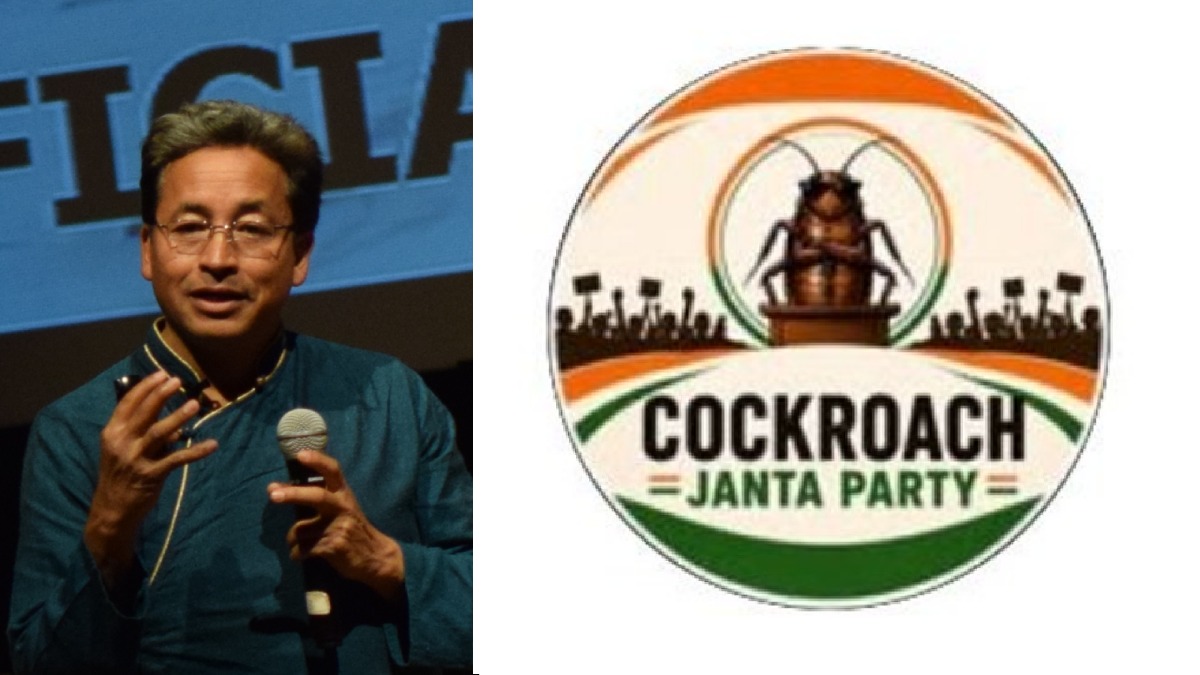
Interviewing Prakhar Gupta in a podcast, Wangchuk discussed the CJP founders and their involvement in the student-led mobilisation. The fact that the organisers may have political aspirations is not a bad thing, he said. The difference between an assessment of someone's intent and a direct statement of those intentions by the individuals concerned.
Wangchuk said he observed the CJP founders closely during the Jantar Mantar agitation and saw political ambitions as part of their larger interests. At the same time, he said that the founders had not explicitly communicated such plans to him.
The activist’s remarks also add to the debate on the CJP movement, which has become more frequently discussed in public and more frequently publicised by the activist and criticizes issues affecting students, and the CJP movement has drawn attention in public demonstrations and criticism of the causes of student disadvantage. Wangchuk said people in political or social movements need not be viewed as all-around selfless just because they protest at times.
Wangchuk’s remarks also represented a broader distinction between activism and politics. Activists in India’s protests can evolve into political organisers or even enter electoral politics. If such a transition happens, it is not necessarily going to destroy what brought the activists into public life.
The discussion is indicative of the student protest movement in Delhi preparing for another major mobilisation. Cockroach Janta Party is preparing for a march on 5 September and a march on the 9th by the All India Students’ Association (AISA) is also going to be planned. The demonstration would also be about pending cases of students and police action after the previous protests.
The September 5 march is particularly significant because it is Teachers' Day. The families of students who died by suicide after the NEET examination cancellation and the subsequent re-test are expected to take part in the mobilisation. Police action during the July agitation also may have affected the families of people who are allegedly affected by this action.
And so the planned demonstration may bring together various strands of the student movement— the examination policies, police excesses and unresolved legal cases— that are relevant to a growing student movement. Families who attend would bring an emotional and public element to the protest, as much as a lot of people still debate accountability and how to handle student grievances.
Wangchuk’s comments about the CJP founders come in the context of growing political attention around student activism. He did not provide any evidence or even identify political positions that the founders would seek to take but presented his remarks as a personal assessment made through direct observation.
Wangchuk also stressed that political ambition in itself is not necessarily bad. People in public movements may need to go on in some form of power or institutions or politics to accomplish their political goals, and politics can be one way to do so. Whether such ambitions eventually translate into electoral involvement, however, is up to the CJP founders themselves.
The September 5 mobilisation is likely to provide an idea of what the movement’s immediate priorities and public support are. Given that the protest is building, it will also be a question of whether or not its organisers are still activists or are starting to build a more formal political identity.
For now, Wangchuk’s remarks are an assessment, not a verdict, from the CJP leadership. The founders still don’t, according to Wangchuk, have explained their political plans directly to him. But his comments are a reminder of just how much scrutiny can be put on protest groups as their public power grows and their leaders take centre stage in national political discussions.