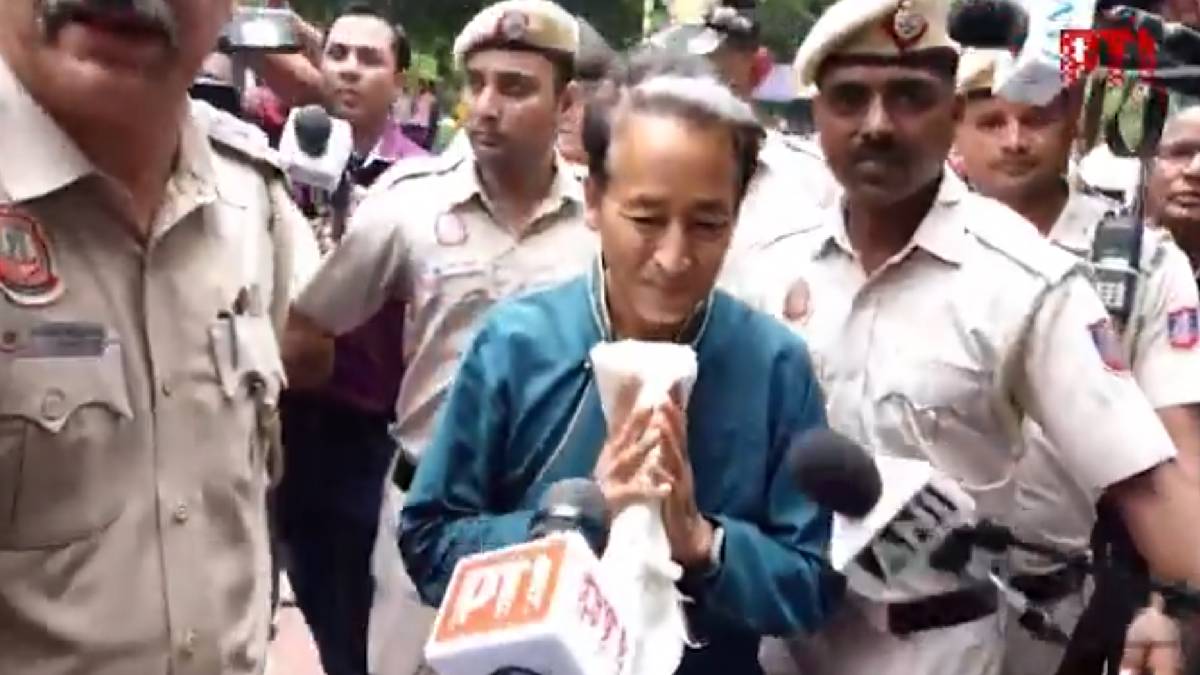
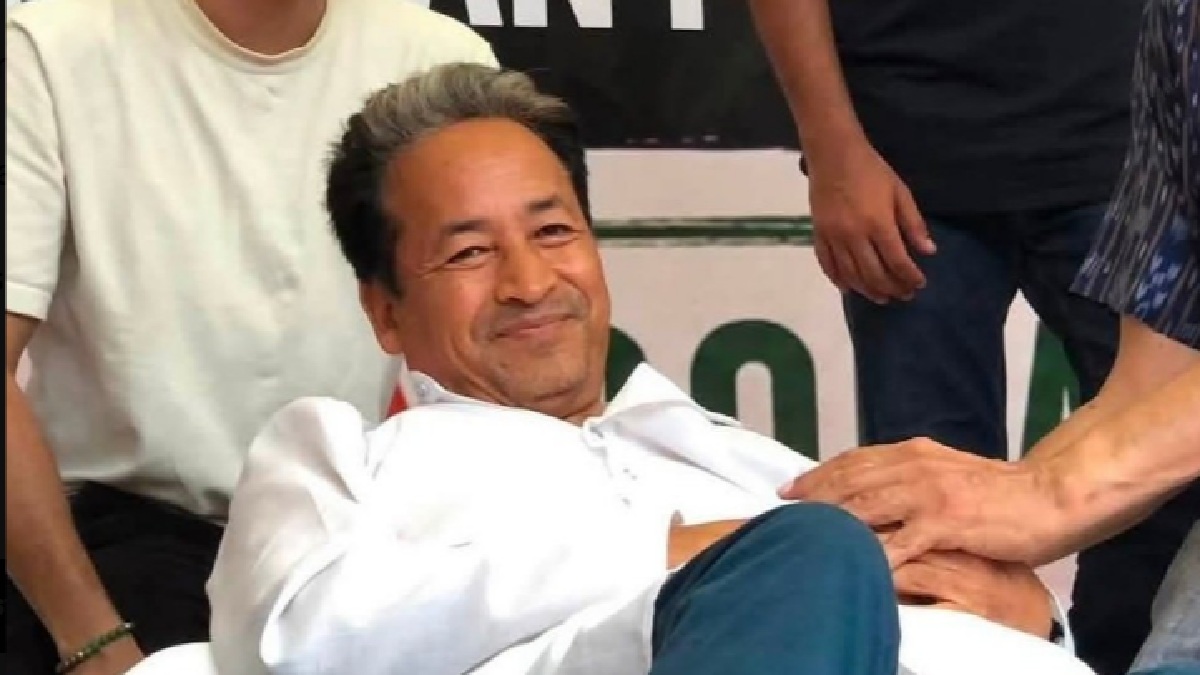
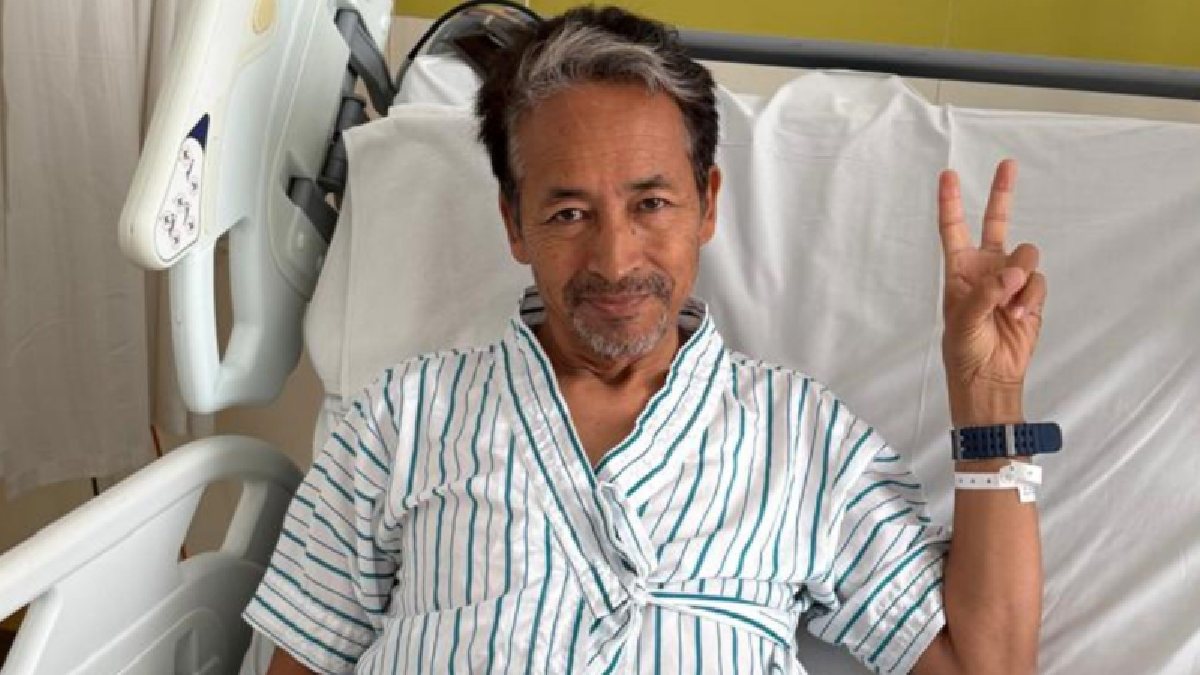
New Delhi: Environmentalist and education reformer Sonam Wangchuk has firmly denied allegations that he reached a “deal” with the Centre to end his 26-day hunger strike, saying that his decision was based solely on the safety of students and protesters gathered in Delhi.
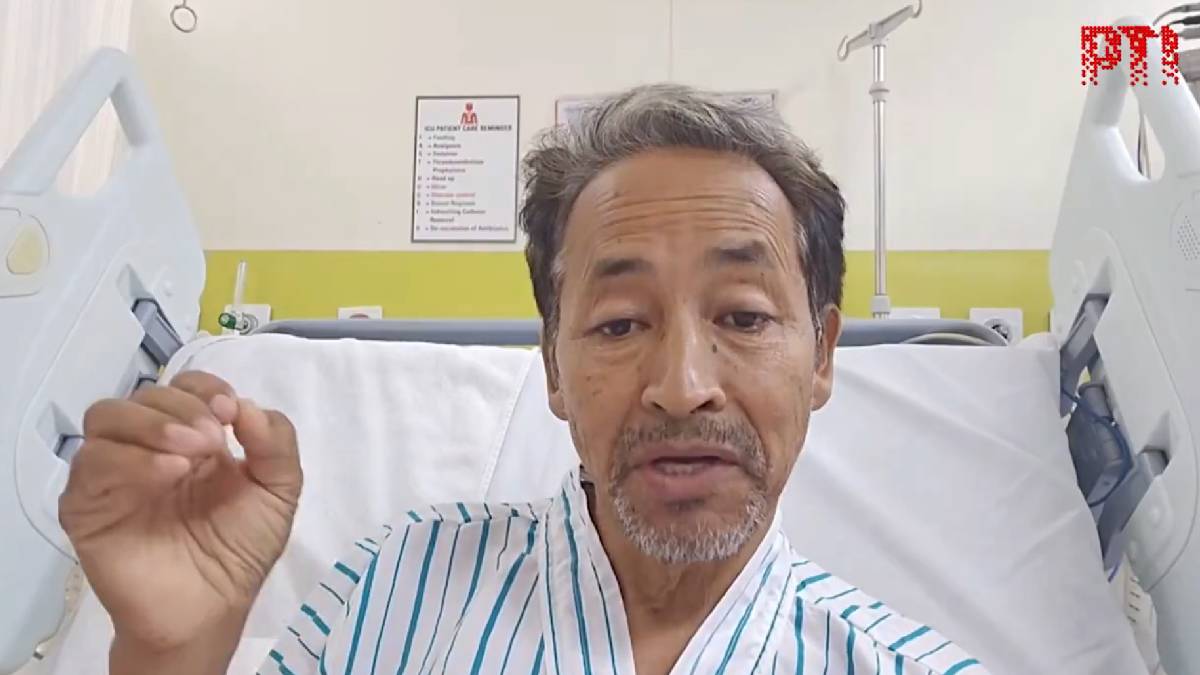
Wangchuk defended his decision after the end of the fast, saying he only decided to end the protest after receiving a written assurance from the government and that there was no political calculation or compromise. He said that in his agitation, his primary concern was to protect the interests of the people and so that the peaceful protest did not escalate into violence.
VIDEO | Delhi: In a new self-made video message, activist Sonam Wangchuk (@Wangchuk66 ), says, "I did not want to break my fast solely at the hands of Union Ministers. That is why I requested that as many Members of Parliament from various political parties attend, along with our… pic.twitter.com/SpXUvURBpB
— Press Trust of India (@PTI_News) July 24, 2026
Wangchuk said intelligence and developments on the ground led him to believe authorities could soon begin to crack down on protesters in the capital. Recalling the 2025 firing of youths in Ladakh, he said he feared a similar scenario could occur if tensions escalated in Delhi.
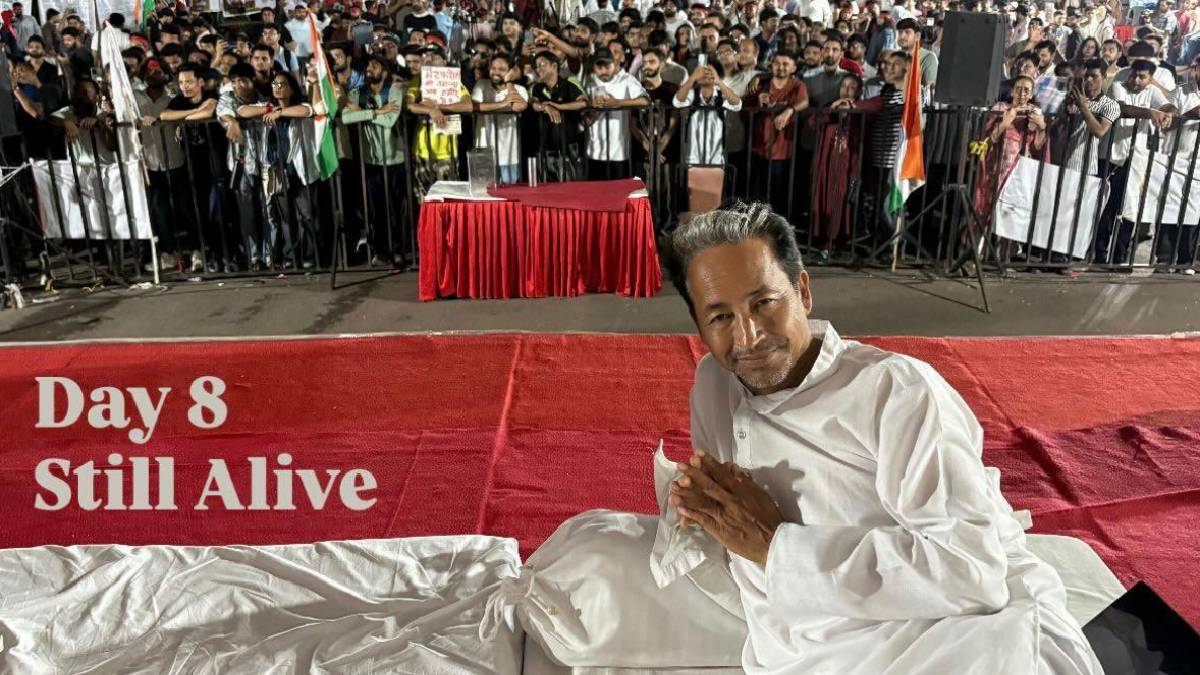
"I didn’t want students or young protesters to be victims of violence,” Wangchuk said, and the prospect of conflict weighed heavily in his decision. Ending the fast was the right decision for him to take to protect those who had joined the movement to support his demands, he said.
The activist also dismissed social media claims that his protest had ended because of some secret agreement with the government. He denied these allegations to be true and said the written assurance provided by the Centre showed dialogue, not confrontation, was the ultimate way forward.
Wangchuk’s hunger strike received widespread attention and students and environmental groups, civil society organisations and people from all over the country got involved. The protest raised the issues of governance, environmental protection and Ladakh’s future and generated heated debates in society.
Supporters held peaceful protests during the 26-day fast in several cities and pleaded with the government to sit down with Wangchuk and other leaders. Political leaders and social activists in the movement also advocated a negotiated solution instead of a long-drawn-out fight.
Wangchuk announced the end of his fast with the government’s written assurance that the wider movement would continue through democratic and peaceful means. “Ending the hunger strike should not be seen as abandonment of our cause but rather a sensible choice to protect supporters and keep up the momentum of the campaign,” said Wangchuk.
He added that students and citizens should continue to express views peacefully and responsibly and that he has always advocated for non-violence and continued to be committed to non-violence. Wangchuk also said sustainable dialogue and public participation are key to the discussions about Ladakh and people’s voices must be heard.
Political responses to Wangchuk's comments have been mixed. His supporters were relieved by his clarification and defended his decision to prioritise public safety, but critics continued to question the timing of the end of the fast. Wangchuk said that every decision was made transparently and in the best interests of the movement.
The activist concluded by saying peaceful democratic engagement should always be respected rather than confrontation. He hoped that the written assurances would turn out to be genuine and the government would take action and have discussions in the coming weeks as part of the plan.
As attention is now shifted from the hunger strike to implementing the assurances, Wangchuk has made it clear that his campaign for Ladakh’s future will continue through constitutional and non-violent means, and all stakeholders must avoid actions that may endanger students or peaceful protesters.