Climate activist and education reformer Sonam Wangchuk has said he is willing to end his indefinite hunger strike only when the Centre gives an “unequivocal assurance” that young protesters who participated in the NEET-UG paper leak protest will not face punitive or retaliatory legal action.
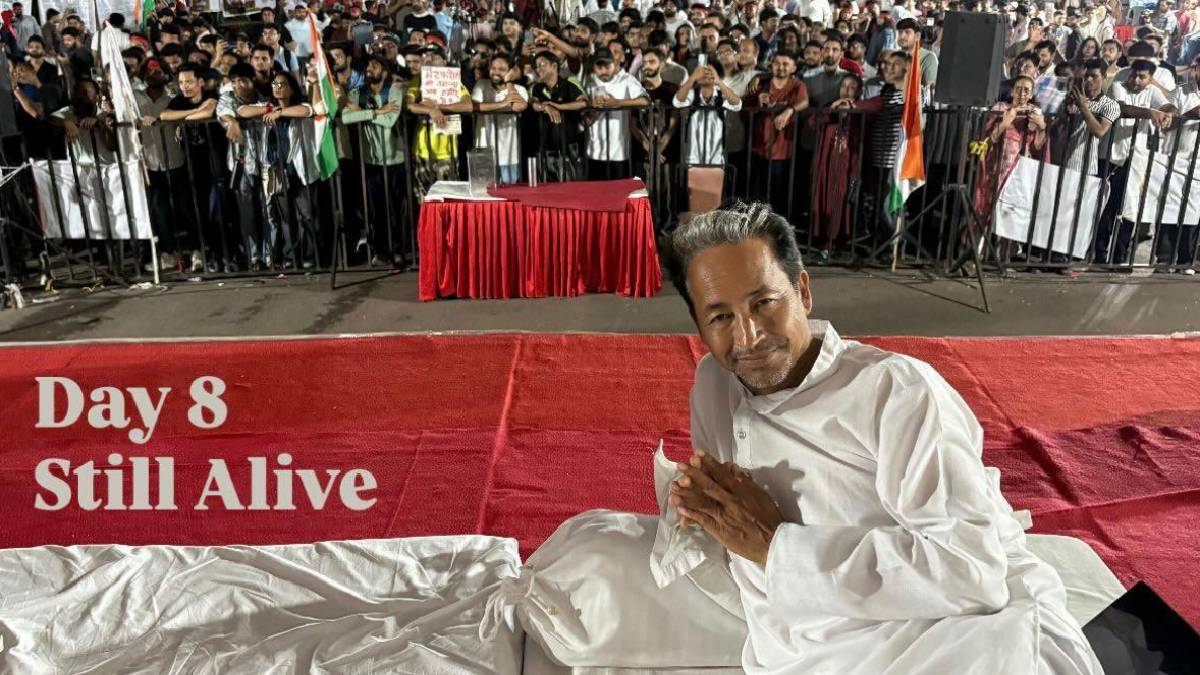
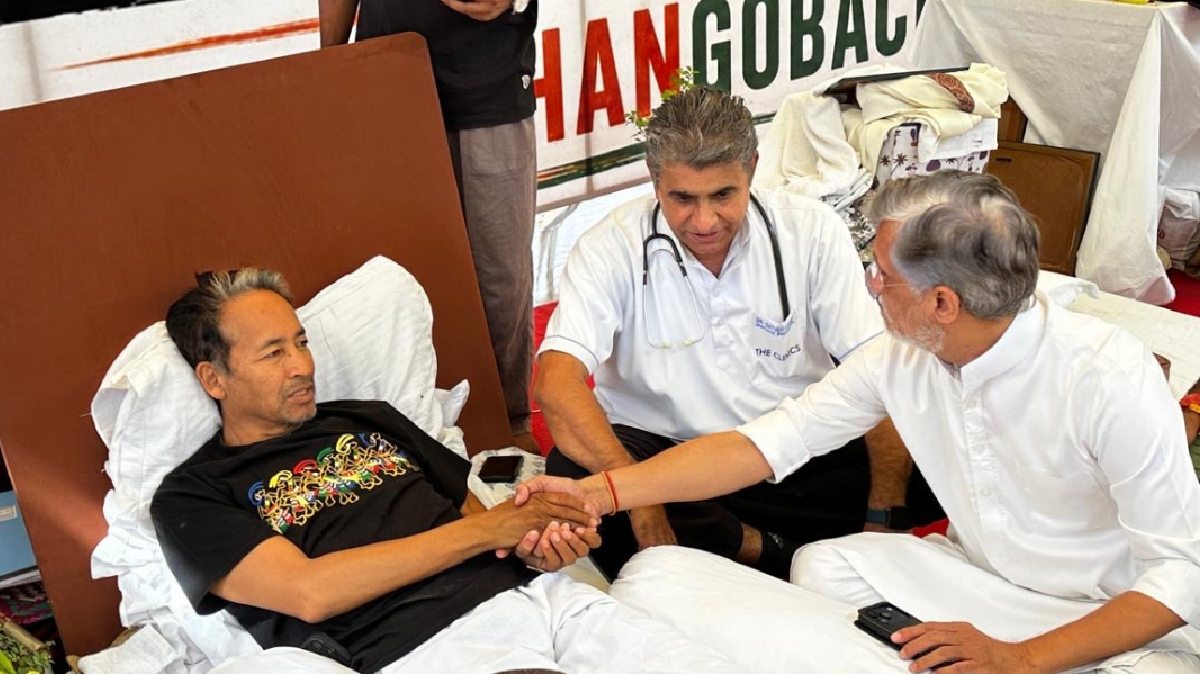
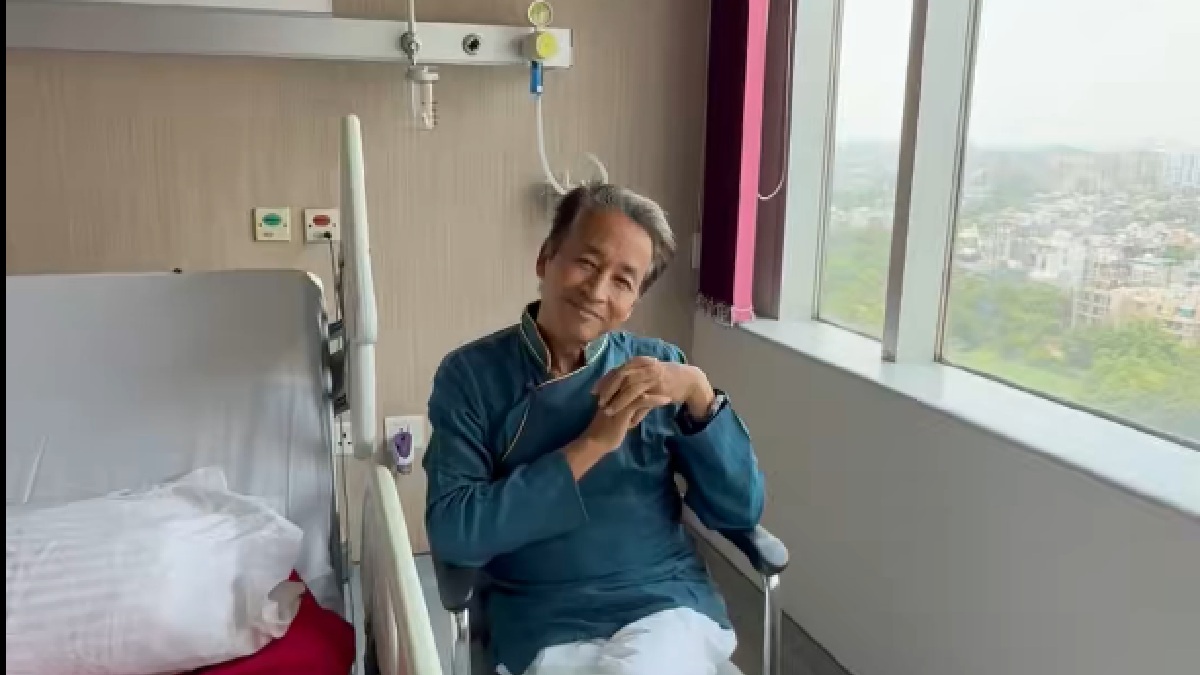
Wangchuk wrote to Union Ministers JP Nadda and Jitendra Singh to thank them for visiting him in hospital and advising him to stop his fast. He said the government had taken a positive approach to a number of the demands he raised in their meeting.
But Wangchuk made it clear that he could not end his hunger strike without a specific assurance protecting the students and young protesters involved in the movement.
“I respectfully request an unequivocal assurance from the Government that none of the young protesters will face any punitive or retaliatory legal action for participating in this movement,” he wrote.
He added that the protesters' only “offence” was raising their voice for a fair and accountable examination system.
AN APPEAL TO THE GOVERNMENT
— Sonam Wangchuk (@Wangchuk66) July 22, 2026
regarding breaking my fast…
Once the assurance from govt come I will also appeal to the peacefully protesting students to halt the movement for now and enter into dialogue with the government pic.twitter.com/gR6S8woF5R
Wangchuk asks for protection for young protesters.
As for the ‘Chalo Sansad’ march on 20 July, Wangchuk described the demonstration as peaceful and alleged that protesters faced “atrocities and disproportionate use of force” by the police.
He said the participants had demonstrated their commitment to democratic values and expressed hope that they would not be subject to criminal cases, harassment or what he described as vindictive action.
The activist also pleaded with the government to stop excess police force in the future from being applied to protesters.
Wangchuk’s request comes at a time when the national political tension in connection with the NEET UG paper leak and police action in recent protests in Delhi is intensifying. Opposition parties are demanding accountability, action against those responsible for alleged examination irregularities and better protection for students involved in the agitation.
‘I Want to Live and Return to My Students’
In his letter, Wangchuk wrote that almost 65 Members of Parliament from different political parties had contacted him after the Union ministers visited and urged him to end his fast.
“I want to live. I want to return to my students, to education and to the work that has defined my life. But I cannot do so at the cost of the very young people for whom this movement began,” he wrote.
Wangchuk said he would quit his hunger strike immediately if the government provided him with the assurance he was seeking.
But otherwise, he warned he would be “forced to continue” the indefinite fast.
The activist concluded by saying that treatment of young people during dissent would be an important test of India's democratic institutions.
“The future of our democracy depends not on how it treats those who agree with it, but on how it treats its young citizens when they dare to speak with courage, hope and conviction,” he wrote.
The Centre hasn’t yet publicised Wangchuk’s clear written assurance. And his demand has just added another layer to the ongoing conflict with examination reforms, student protests and police action in the capital.