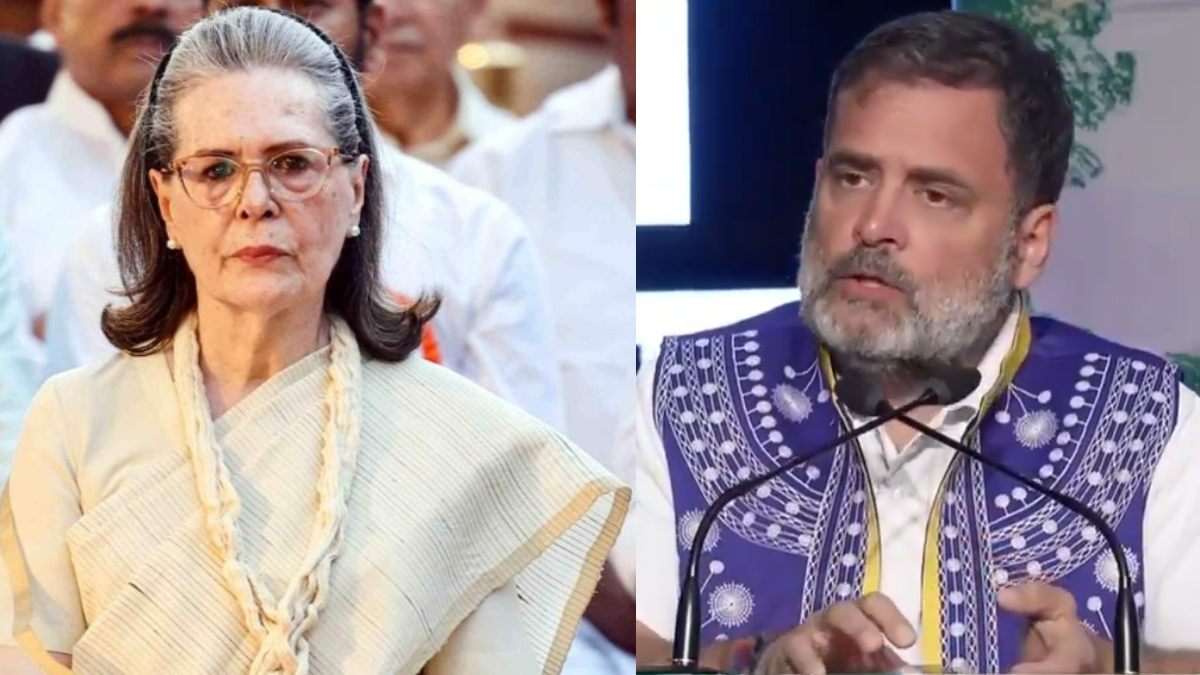
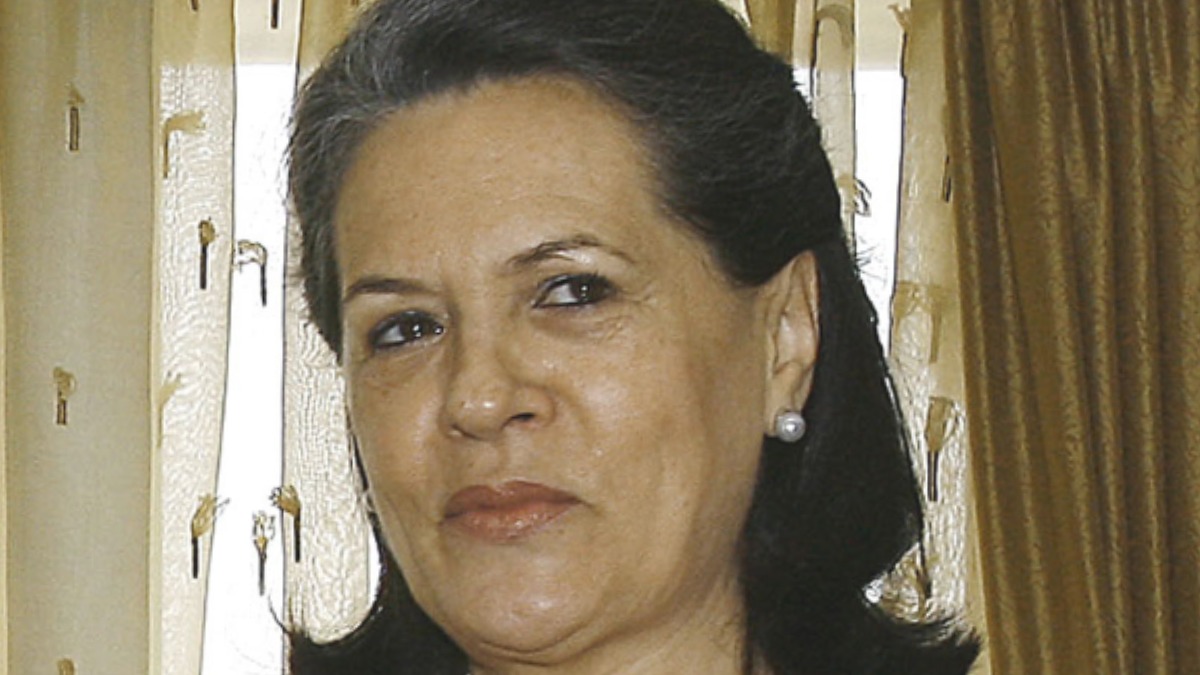
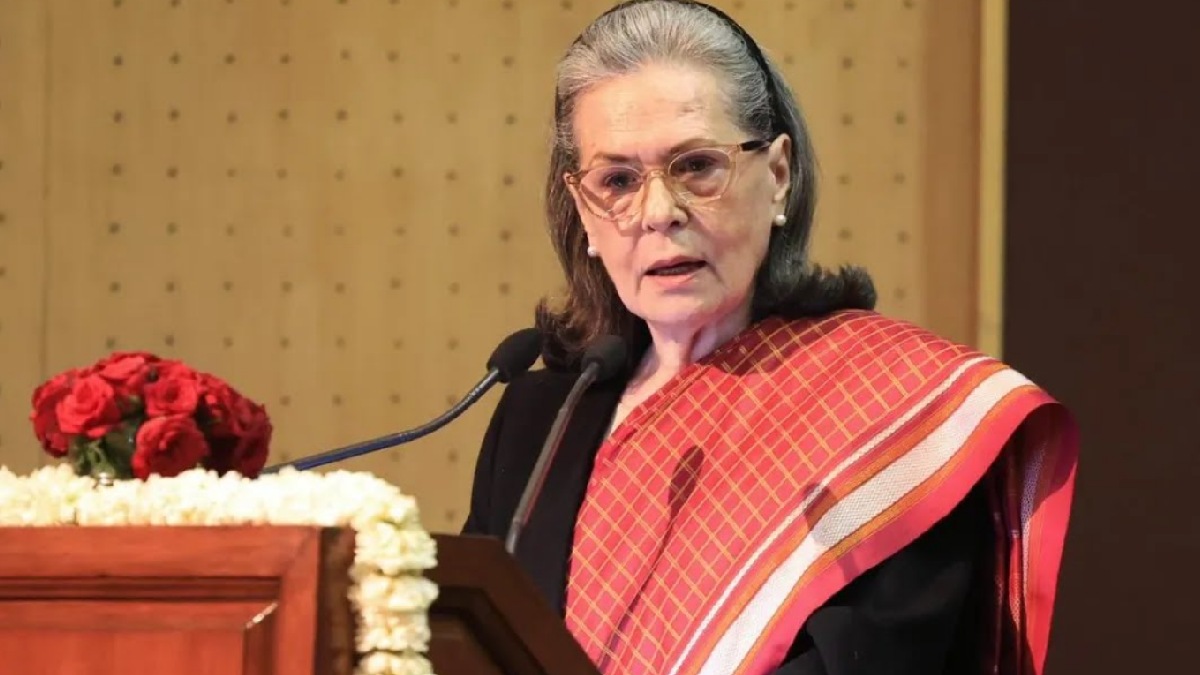
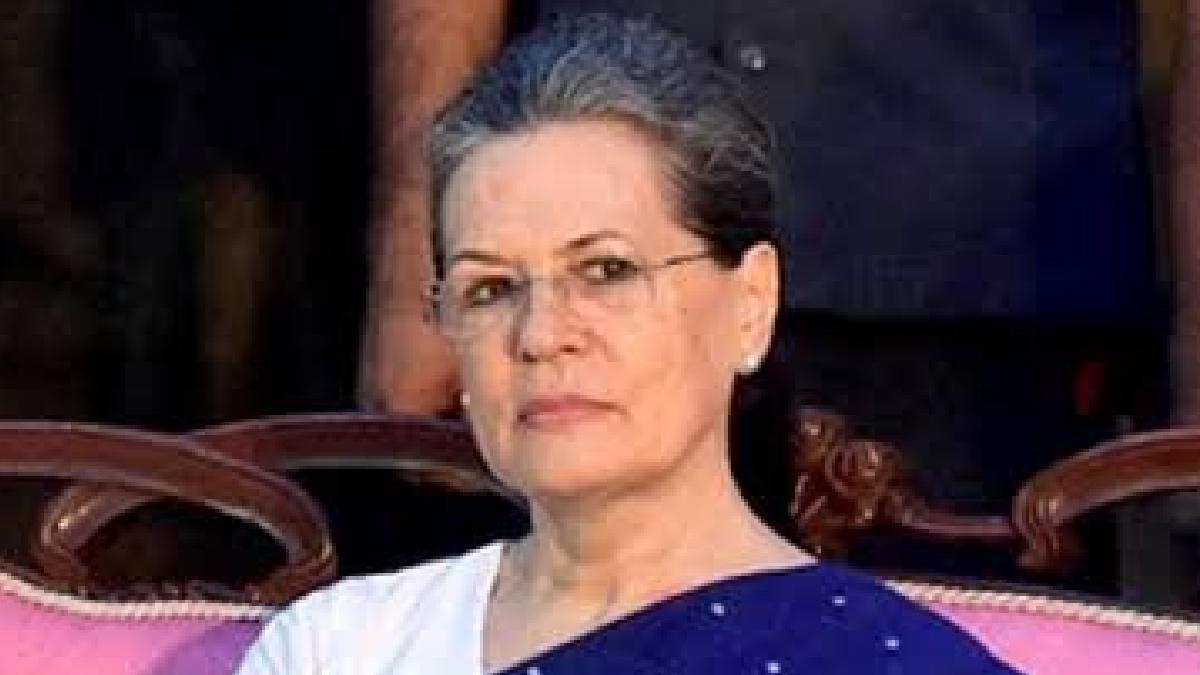
Sonia Gandhi arrived at a Mandir Marg Police station in Delhi to meet her daughter and party General Secretary Priyanka Gandhi Vadra and other senior Congress leaders who were detained by Delhi Police following a protest of the party.
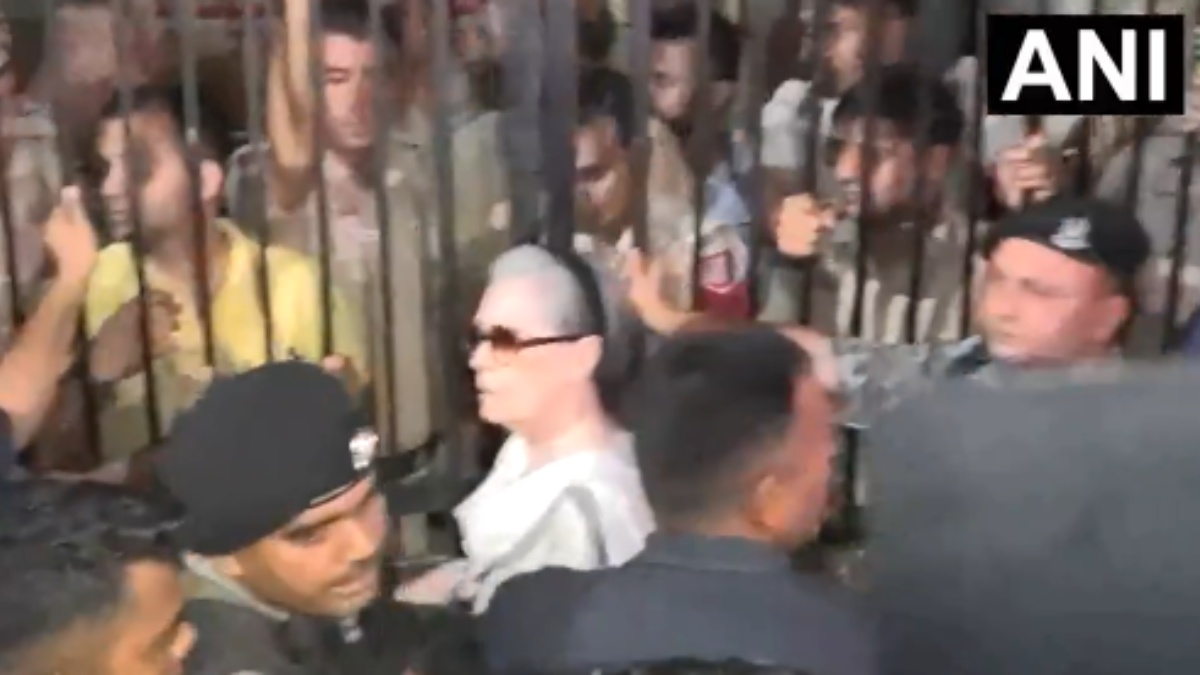
Sonia Gandhi’s visit also showed support for party workers and leaders who were arrested by police trying to control the protest. The development added another dramatic chapter to the political clash over the Congress and the Centre’s political contest, with Opposition accusations that the government is trying to suppress democratic protest and the police saying the detentions were done in the name of law and order.
The protests were organized by several prominent Congress leaders to press the party's demands on key national issues. As the demonstrators marched through parts of the capital of Delhi, Delhi Police intervened to control the protests and the situation, saying there are security issues and restrictions in the area. Priyanka Gandhi Vadra, who had been leading the protest, and others were arrested and taken to Mandir Marg police station along with many other party workers.
Video images from the event show Congress supporters raising slogans and standing up for their party and peaceful demonstration, before police took them into custody and brought them to the headquarters. Video and pictures of the incident were broadcast in large part in national media.
Sonia Gandhi came to the police station soon after the detentions to support their leaders and workers. The party workers rallied around her at large outside the police station and sang slogans in support of their leadership.
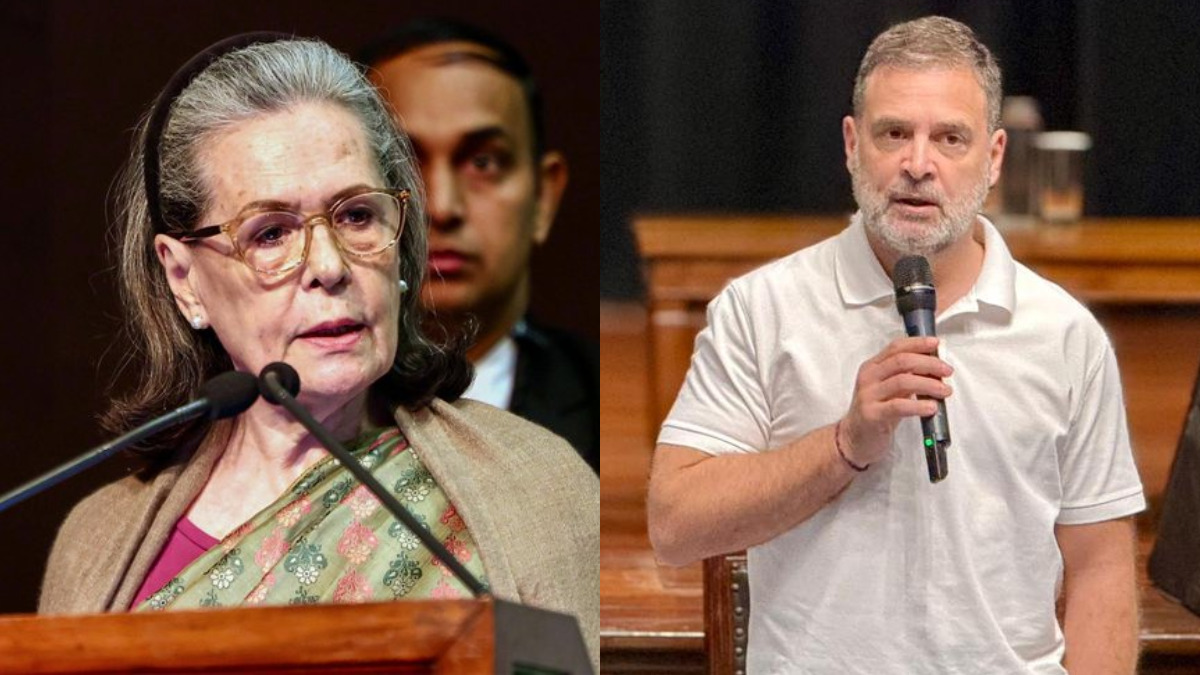
Sonia Gandhi’s presence was seen in the party as an example of unity which strengthened the Congress leadership’s solidarity with its workers when they are on the street protesting political protests.
The arrests of several Congress leaders gave rise to complaints that peaceful democratic protests were being stifled. Party leaders said that the right to peaceful assembly and protest is guaranteed under the Constitution and said that by turning out law enforcement they were silencing opposition voices.
The protest to highlight public concerns and draw attention to issues they believe need urgent government intervention was conducted on the basis of Congress leaders’ concerns.
However, Delhi Police said the detentions were preventive in nature and carried out according to established procedures to ensure public order and avoid disruption in sensitive areas of the capital.
Police officers said sufficient security measures were taken into account given the size of the demonstration and the importance of maintaining peace as well as minimizing inconvenience to the public. Police in Delhi have said preventive detentions are not uncommon in large political rallies and are frequently done when large-scale protests will have an impact on traffic or security.
The incident has again reignited a political debate about how to maintain public order and protect the constitutional right to peaceful protest. Opposition parties have often claimed that the use of restrictions on demonstrations has been tightening, but governments have always said the most important is crowd management and public safety.
And while authorities can regulate public assembly, the law says that it should be done in proportion in line with the constitution.
Political observers believe Sonia Gandhi’s decision to visit the police station is symbolic at a time when Congress is trying to present a united front.
The pictures of Sonia Gandhi standing in solidarity with Priyanka Gandhi Vadra and other detained leaders are likely to appeal to party workers across the country and reinforce the Congress narrative of resisting what it calls restrictions on democratic expression.
#WATCH | Delhi | Congress Parliamentary Party chairperson Sonia Gandhi reaches the Mandir Marg Police Station.
— ANI (@ANI) July 21, 2026
Some of the opposition leaders, who were protesting at Lok Kalyan Marg and detained by Delhi Police, were brought to the PS a short while ago. pic.twitter.com/SwpjQZovqQ
The episode will only deepen the political tension between the ruling class and the Opposition in Parliament and beyond. Congress leaders have said they will continue to seek to voice their opposition using democratic means and government representatives are likely to defend the police action as a necessary administrative measure.
As the political storm continues, the incident shows once again how at the core of Indian democracy are public protests and political demonstrations, and civil liberties, governance, and the right to dissent remain very popular subjects of public and political debate.