A SpiceJet flight from Delhi to Pune passengers who went to Pune to be on a SpiceJet flight had a very difficult flight when an air-conditioning failure caused passengers to suffer severe discomfort in the plane. The passengers were said to have been frustrated by the flight’s conditions waiting for the flight to take off; they were protesting when they were waiting for an air-conditioning failure.
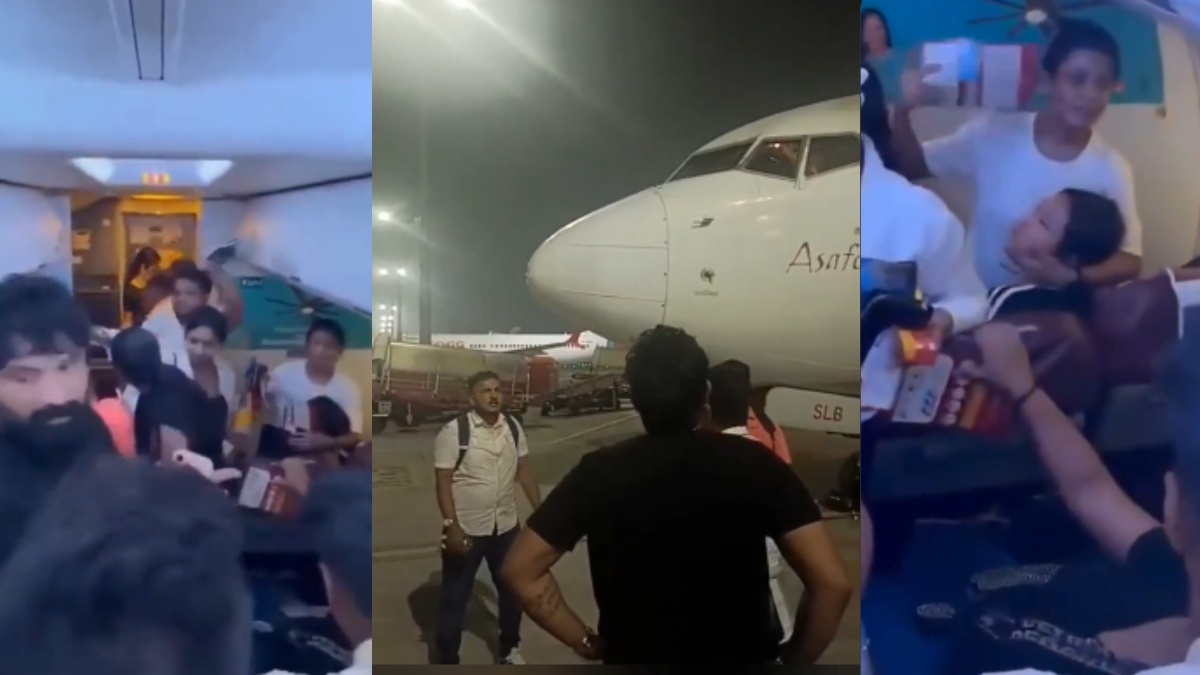
The AC failure was considered a major concern because cabin ventilation and temperature control are essential components of passenger comfort and are critical when an airplane is on the ground for a long period of time. A domestic passenger traveling for work will expect the basic onboard facilities to work normally, and disruption can be extremely stressful and cause anxiety.
According to reports, passengers on the Delhi-Pune flight had the air-conditioning system on their aircraft not working properly. The situation was uncomfortable for those in the cabin, and passengers voiced their anger and expressed it to airline staff.
An aircraft cabin can be quite uncomfortable relatively quickly if it remains on the ground without sufficient cooling under the circumstances of closed doors and passengers waiting for departure. Excessive heat and poor ventilation can be particularly difficult to control if the customer is older and traveling with children or has health problems.
The incident caused passengers to protest and passengers to be upset at the disruption, they said. Travellers may have wanted to know why the technical problem could not be resolved quickly and what was done to make sure they were kept comfortable on the flight (and there was a lot of effort on their part to keep the passengers on board) and what they could do to help them stay there while they waited.
Technical issues in aviation are not unusual, and airlines need to fix equipment problems before an aircraft flies, as these problems are of safety or regulatory concern. That is not to say that there is no problem with delays, but passengers would obviously expect airlines to communicate clearly and provide appropriate assistance during extended disruptions.
The reported incident also raises questions about how airlines deal with cabin systems on the ground while an aircraft is waiting. Air-conditioning is not just a comfort feature; proper ventilation and cabin conditions are important on the ground. Airlines need to follow established procedures when environmental systems in the cabin are disrupted.
Passengers are also aware that communication is the most important part of dealing with a flight disruption because communication is one of the most important things for passengers. Travelers, in general, want to know what’s wrong with the flight and what caused the disruption, how long repairs are to be done or how long it will take for the plane to be fixed, whether they’re going to work on the way things are being done and if there is a way of getting them to repair and whether there is no alternative aircraft or some alternative flight or other options are being considered for a replacement or how long it could be done, for an alternative aircraft has been arranged.
Delhi-Pune is a key domestic connection and a home-based one, and passengers who will travel between two major Indian cities for business, education, tourism, and personal purposes. You will not only be affected on a flight, but so will the passengers you are going to take with you.
Passengers may have connecting trips, hotel bookings, appointments, or work in Pune. Even a short delay can be bad enough, and a longer period of disruption also has an impact on travel plans.
Saying that the protest was a good example of what is needed for passenger well-being is no less important when traveling by plane. Technical problems can easily happen, but airlines are to handle them constructively. Waiting for the right time, being informed, and not losing sight of the need to listen to the real concerns with an educated person can prevent things from getting worse.
The incident also comes at a time of increasing focus on passenger experiences in India's rapidly growing aviation sector. As more people choose air travel, expectations for reliability, comfort, and customer service have also increased. Airlines are under increasing pressure to maintain operational standards while handling disruptions transparently.
The difference between passenger discomfort and a true safety issue is important to distinguish. The AC failure does not necessarily mean the airline is unsafe to fly. The airline and the technical people would have to check the aircraft and verify if it was all right before coming.
But the whole experience made passengers unhappy, it was said. A long time in an uncomfortable cabin is especially difficult, and they should expect to go through that if an onboard system fails, and that is likely to be done if it doesn't work.
The incident indicates the importance of preventive maintenance and technical checks in aircraft systems. Frequent inspections of aircraft systems can allow you to identify and rectify problems before they are actually a problem. If a problem does occur, fast troubleshooting and technical support can alleviate disruption.
SpiceJet’s protest makes the point that at times there is a passenger protest that needs to be addressed. The explanations for why and how things go as quickly as possible and the assistance that can be offered can help maintain trust when things go wrong in the first place.
More details on the reason for the AC failure, the duration of the disruption, and the airline’s response would help in establishing the full context of the incident. Any airline statement would also shed light on whether or not the problem was resolved before the aircraft left the airport.
Spice jet making passengers sweat like eating spicy chilly ..
— New India voice🔥💪🇮🇳 (@Strongindia28) August 12, 2026
Flight SG-105 from Delhi to Pune faced a nightmare on the night of 11 August.
After boarding, the cabin temperature shot up sharply. The AC had failed.
Within minutes people were drenched in sweat. Children,… pic.twitter.com/bRdcXBJw0l
But for the Delhi-Pune passengers in the Delhi-Pune flight, the experience might have turned a simple trip into an uncomfortable and frustrating one. Their protest illustrates wider expectations of air travellers that airlines should deliver reliable services and comfort for passengers to do these things (as well as comfort of passengers in an emergency when technical glitches occur).
As India's aviation network grows, such incidents are just one of many that the airline needs to balance operational efficiency with passenger welfare. Sometimes there will be technical problems in the flyways, but how airlines manage them is the main driver of passenger experience.
The SpiceJet Delhi-Pune incident is another reminder that even seemingly routine technical glitches can have a huge impact on travellers. Maintenance of aircraft systems, operation of the aircraft, and communication with passengers and other passengers are still fundamental to reliable air travel.