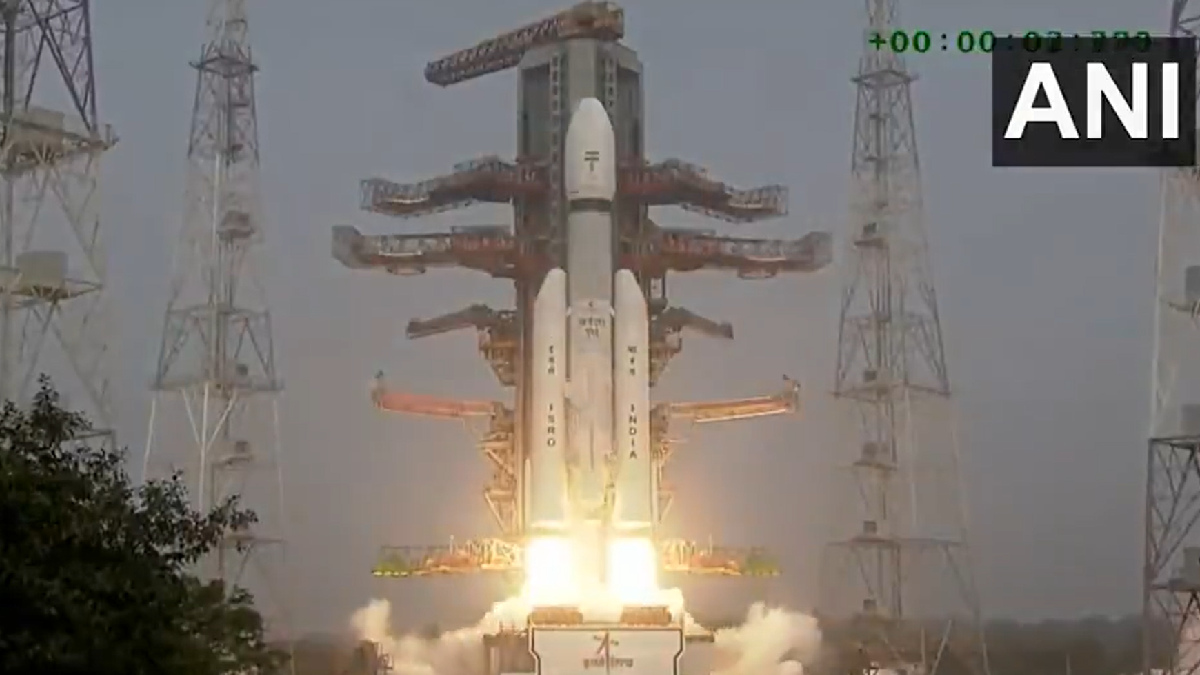
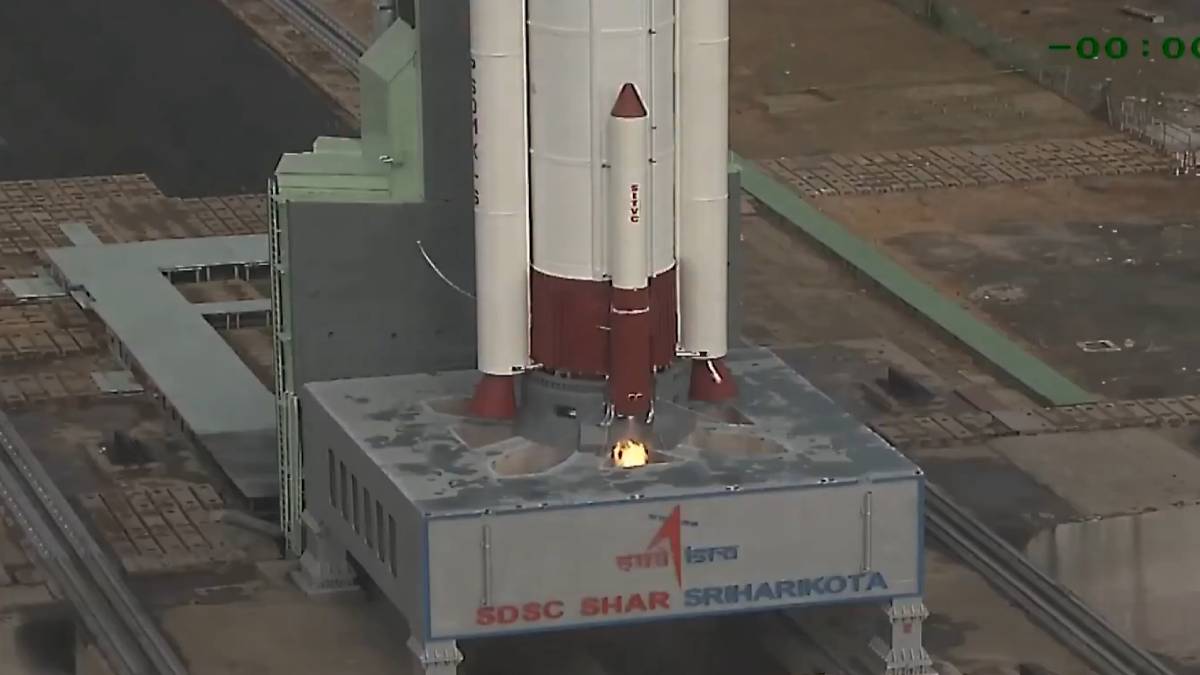
On 12 January 2026, the Indian Space Research Organisation (ISRO) delivered another historic milestone in launching the Polar Satellite Launch Vehicle PSLV-C62 off the first launch pad at Satish Dhawan Space Centre (SDSC-SHAR), Sriharikota. This mission not only contributed to India’s expanding catalogue of space accomplishments, but highlighted the country’s increasingly solid base of expertise in science, technology and space exploration.
The Mission:
The PSLV-C62 mission was equipped with the EOS-N1 Earth Observation Satellite as its main payload. Next, 14 co-passenger satellites from Indian and foreign customers were launched into orbit. The mission was conducted by NewSpace India Ltd (NSIL), ISRO’s commercial arm, which has been a leading contributor to India’s efforts to boost its presence in worldwide satellite launches.
Among the highlights of the mission were the KID capsule experiment, a re-entry technology demonstrator created by a Spanish startup. Once sent out into orbit the capsule was set to re-enter the Earth’s atmosphere and splash down in the South Pacific Ocean. The experiment was an important milestone in the testing of reusable space technology.
Watch | भारतीय अंतरिक्ष अनुसंधान संगठन (ISRO) ने आज सतीश धवन अंतरिक्ष केंद्र (SDSC-SHAR), श्रीहरिकोटा के प्रथम प्रक्षेपण स्थल से पोलर सैटेलाइट लॉन्च व्हीकल 'PSLV-C62' का सफल प्रक्षेपण कर रचा इतिहास।@isro | #ISRO | #PSLVC62 | #SpaceMission | #SatelliteLaunch |… pic.twitter.com/XBuQjO2dpc
— यूनीवार्ता (@univartaindia1) January 12, 2026
Technical Details:
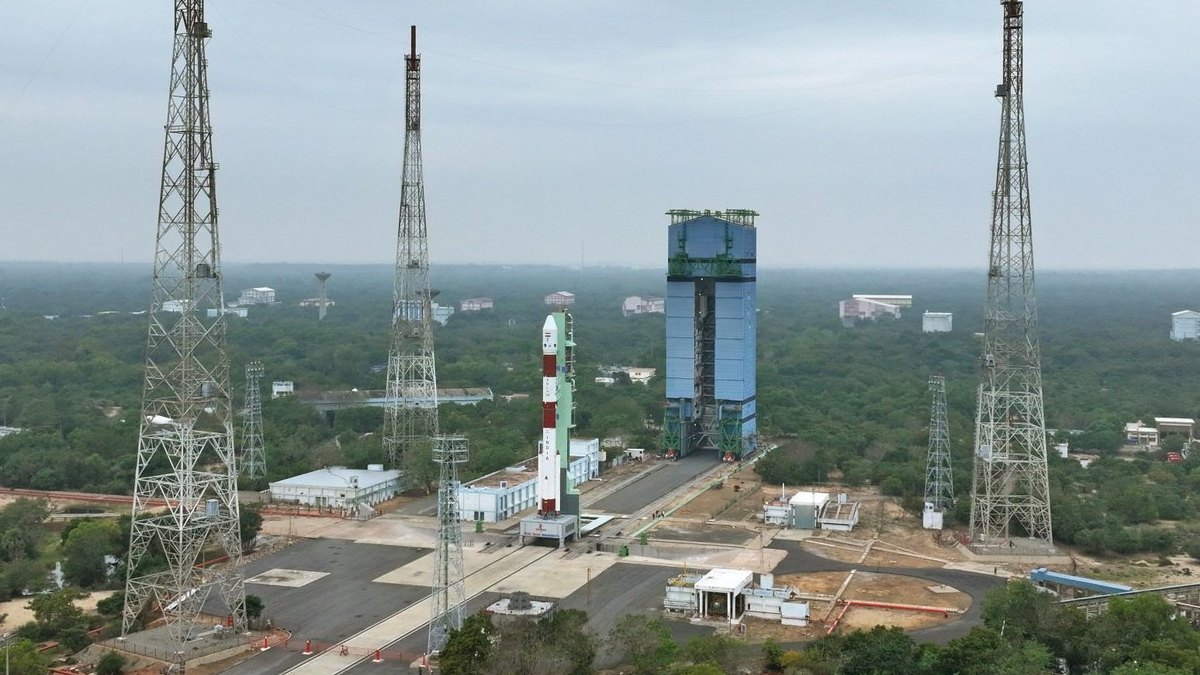
The PSLV-C62 was the 64th for PSLV and the 5th for the PSLV-DL variant. The rocket was built to measure 44.4 meters and lift off weighing 260 tonnes, and used a four-stage system based on alternating solid & liquid propulsion. On January 11 the mission launched with 25 hour countdown time, with a successful lift off at 10:17 AM on January 12. The EOS-N1 satellite, which is constructed in conjunction with Thailand and the UK, was put into a Sun Synchronous Orbit to consistently record Earth observation data. The co-passenger satellites were a mix of home and international customers, underscoring India’s growing profile as a trusted launch partner.
Why Does This Matters?
This launch is valuable in several respects:
- Strengthening India space leadership: Every successful satellite launch demonstrated that ISRO is capable of competing for global markets
- Commercial growth: NSIL’s participation is the latest step for India to widen its commercial space sector and serve the needs of more international customers.
- Innovation in re-entry technology: The KID capsule experiment reflects ISRO’s commitment to exploring reusable technologies, which could reduce costs and open new possibilities for future missions.
- Global collaboration: India’s role in cooperative space exploration is shown through the EOS-N1 satellite.
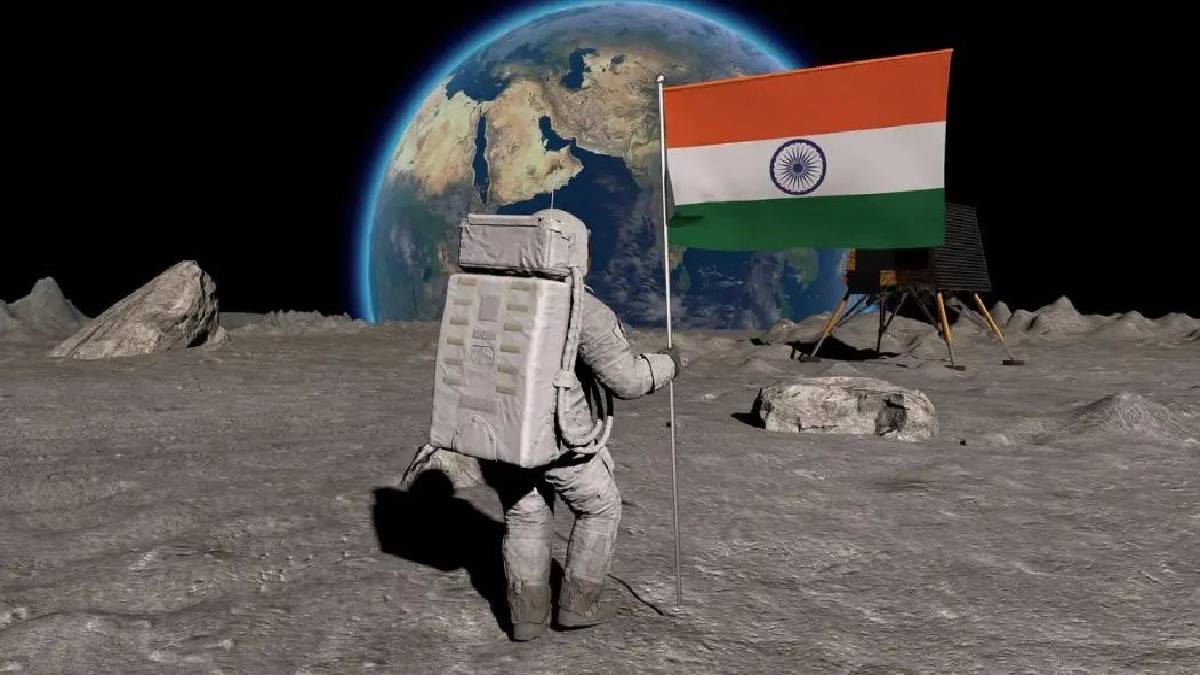
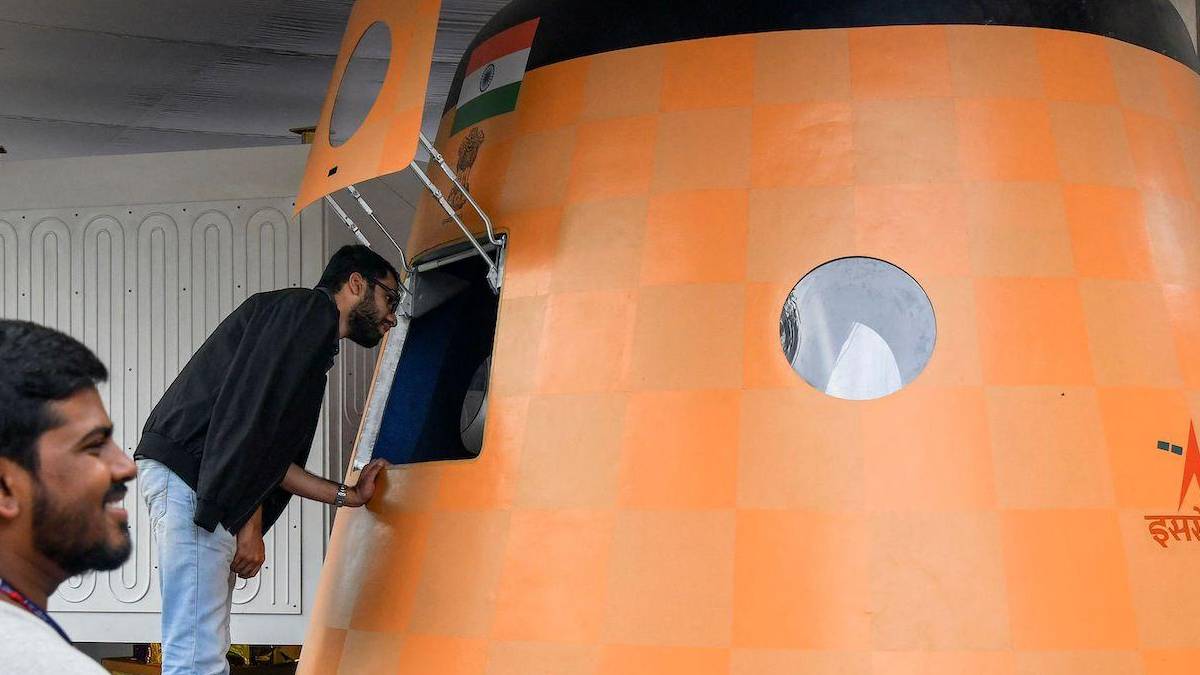
It has proved to be a solid choice for domestic and international satellite launches both due to its versatility and affordability. PSLV-C62’s victory continues this legacy, showing once again that India can carry out complex missions accurately. This paves the way for far more ambitious missions in the years ahead, comprising human spaceflight and high-tech planetary exploration.
The launch of the PSLV-C62 has proved an impressive technical feat, but more than that, it is a representation of India’s confidence now more than ever in space exploration. ISRO demonstrated its innovation and leadership through the deployment of EOS-N1 and 14 co-passenger satellites as well as testing the Re-entry Technology KID capsule. This assignment enhances India’s place in the global space community and it inspires the next generation to dream big. PSLV-C62 will be a launch which could herald the next stage of these pioneering experiments of the ISRO movement which, as long as its operations continue at their historic pace, will inspire future generations to be inspired by our great successes in their path towards the open-minded pursuit of science, technology and the world.