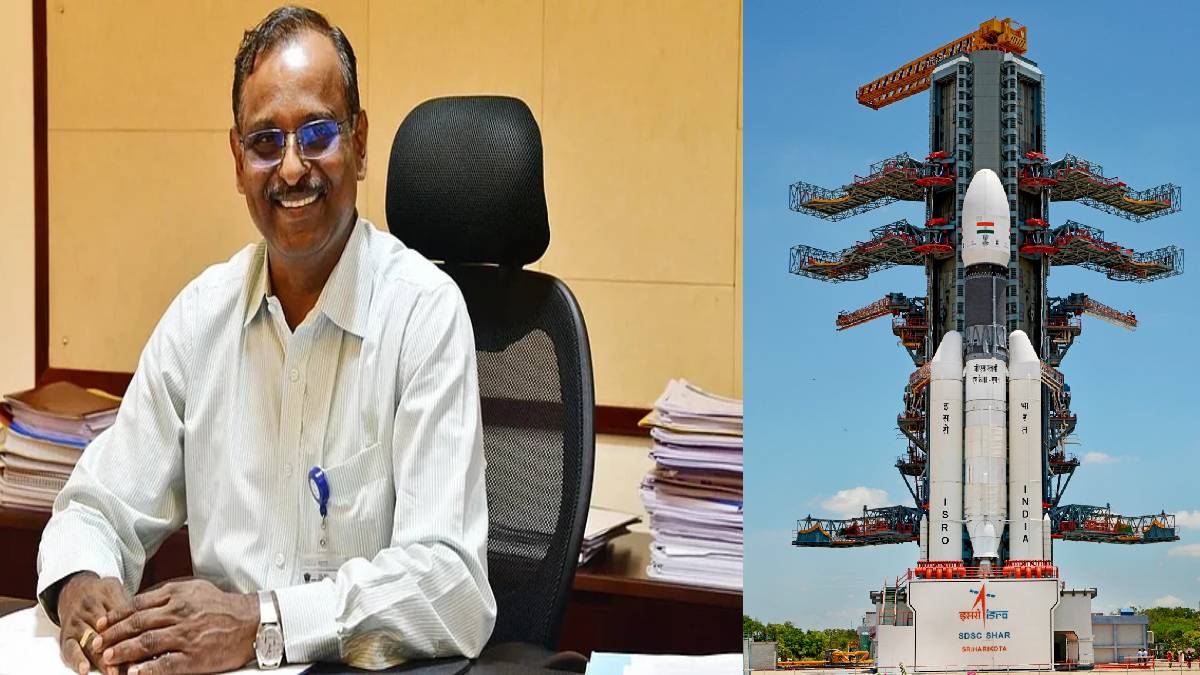
India is targeting the stars with a bold plan to send astronauts to the moon and create its own space station by 2040. Former ISRO chief S. Kiran Kumar recently introduced his vision on how India’s space program is shifting from launching satellites and sending out missions in orbit to human beings. This announcement also showcases the increasing confidence of India over space technology and its pursuit of becoming one of the world’s preeminent nations in providing humans to space flight.
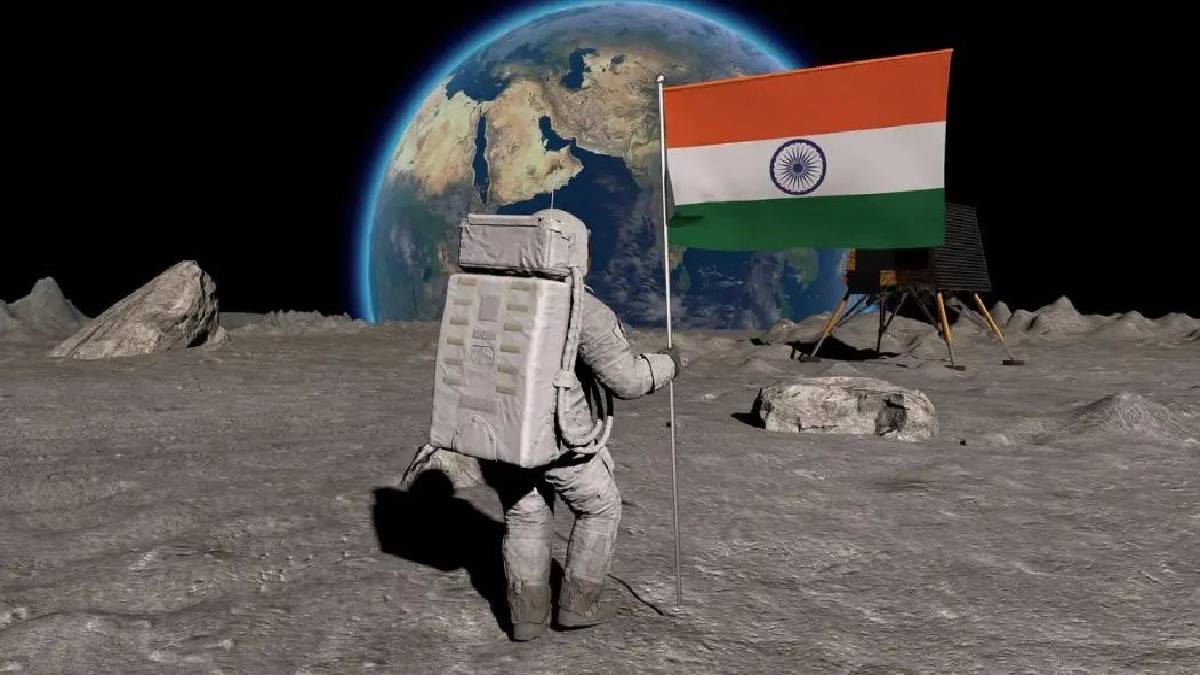
The Road So Far:
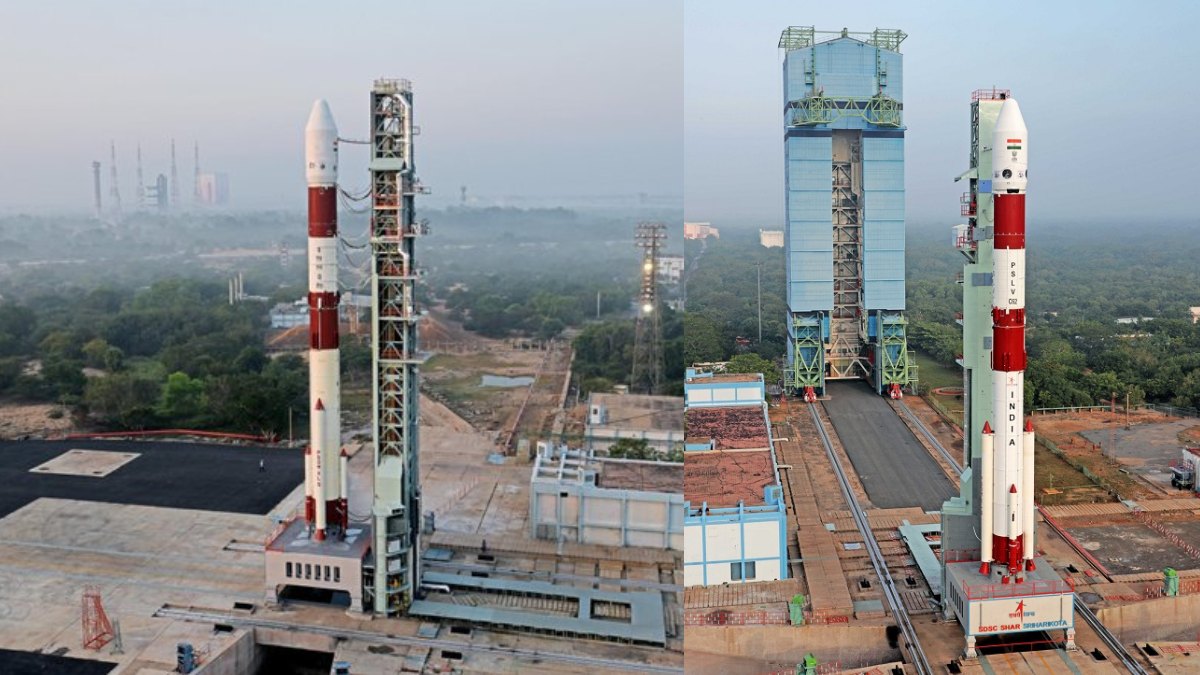
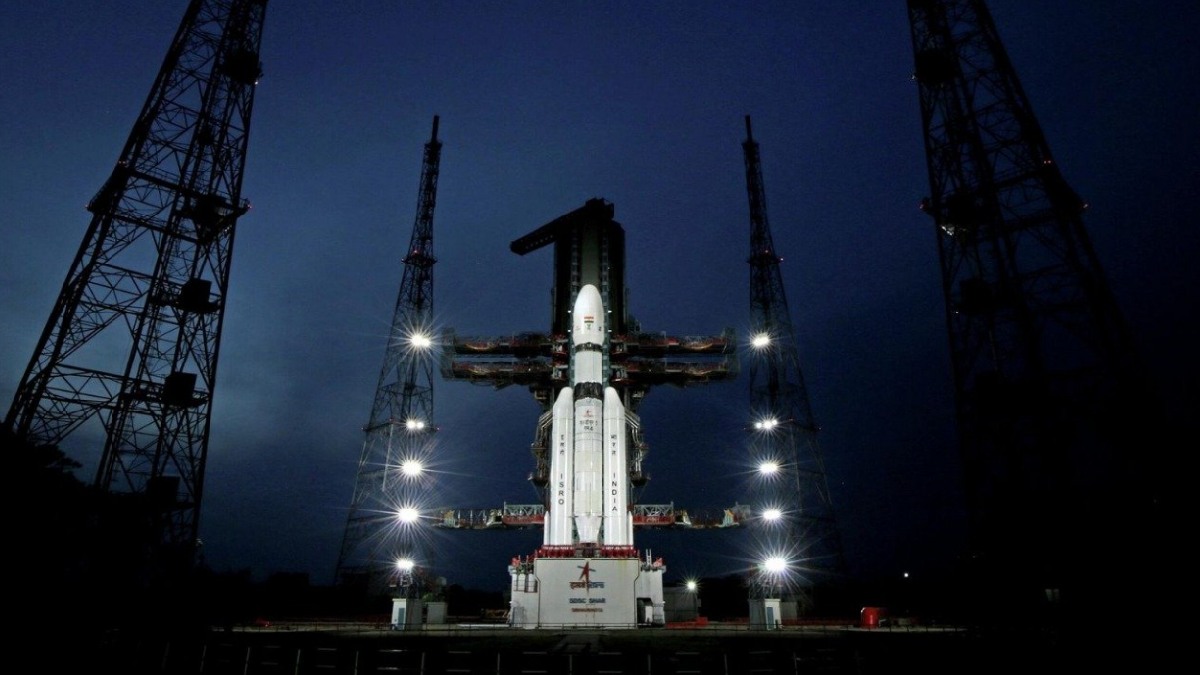
India’s space expedition started small in the 1960s, with little satellite launches. Over the years, the Indian Space Research Organisation (ISRO) has hit impressive feats such as Chandrayaan trips to moon, Mangalyaan missions to Mars, and Chandrayaan‑3 recently to hit distant landing sites near the lunar south pole. They have made India one of the world’s top spacefaring nations. The next big step is human spaceflight. ISRO is working on the Gaganyaan mission, which aims to put Indian astronauts into low Earth orbit. This mission will form the basis for subsequent lunar exploration and the future construction of a space station.
The Moon Mission:
India plans to send astronauts to the moon by 2040, according to S. Kiran Kumar. This would be a notable achievement: only a few nations (itself, among them: The USA, Russia and China) have undertaken or already succeeded in human lunar missions. The mission would entail an advanced array of spacecraft, including heavy lifting rockets, lunar landers, life support systems, and training activities for astronauts. The ISRO will then work together with partners outside India but also develop its own infrastructure. It is expected that the lunar mission will involve a scientific enterprise with plenty of national technology backing in addition to showcasing India’s strength technologically--as well as its place in a global context.
The Space Station Plan:
In parallel to the moon project, India plans to create its own space station by 2040. In addition to space, Indian astronauts can live and work in orbit for extended periods, and do experiments across science, medicine and technology. The station will also function as a central area for international cooperation. It will help us carry out combined missions with other nations. Building a space station is a complex affair that comes with modules for habitation, power production, docking systems and ongoing supplies. ISRO’s experience with satellites and launch vehicles will provide a robust foundation. But new experiments are unavoidable.
Why This Matters:
India’s aspirations to space exceed mere prestige. They have practical benefits:
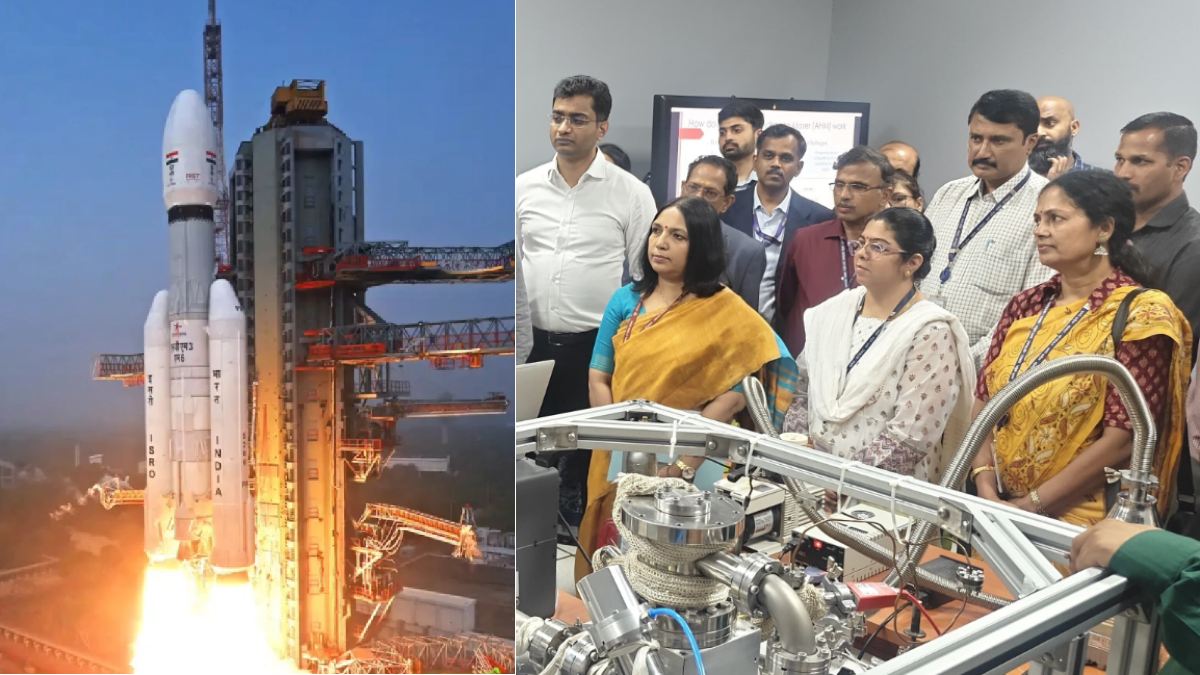
Research:
Space-based experiments can bring advances in medicine, materials and energy.
Tech development:
India’s technology base for rockets, robots, life support systems, will increase.
Economic growth:
Space exploration can fuel industries in aerospace, manufacturing and education.
Global leadership:
As part of a chosen group of countries having human spaceflight programs, India maximizes its influence on the international stage in space policy.
Challenges Ahead:
It is a challenging path to 2040. Human spaceflight is not only expensive and dangerous. India will rely on ongoing financing, political will and cooperation from the world. Training astronauts, developing dependable rockets and maintaining safety must also be vital. There are also issues about balancing priorities. Should we invest more in human exploration as a means of doing so, or put that investment toward pressing issues around the planet, such as climate change and poverty? Supporters posit that space exploration promotes innovation and contributes to societal well-being in the long term.
India’s plan to send a team of astronauts to the moon and construct a space station by 2040 is a visionary one. It also speaks to the nation's strides in space technology and intention to lead the world on its voyages. From the success of Chandrayaan‑3 to the impending Gaganyaan mission, India is slowly making its way to it. If accomplished, both the moon mission and the space station will be a chapter in India’s new history - one in which the country doesn’t just have a presence on Earth; it also encourages the next generation to dream on a planet out there.