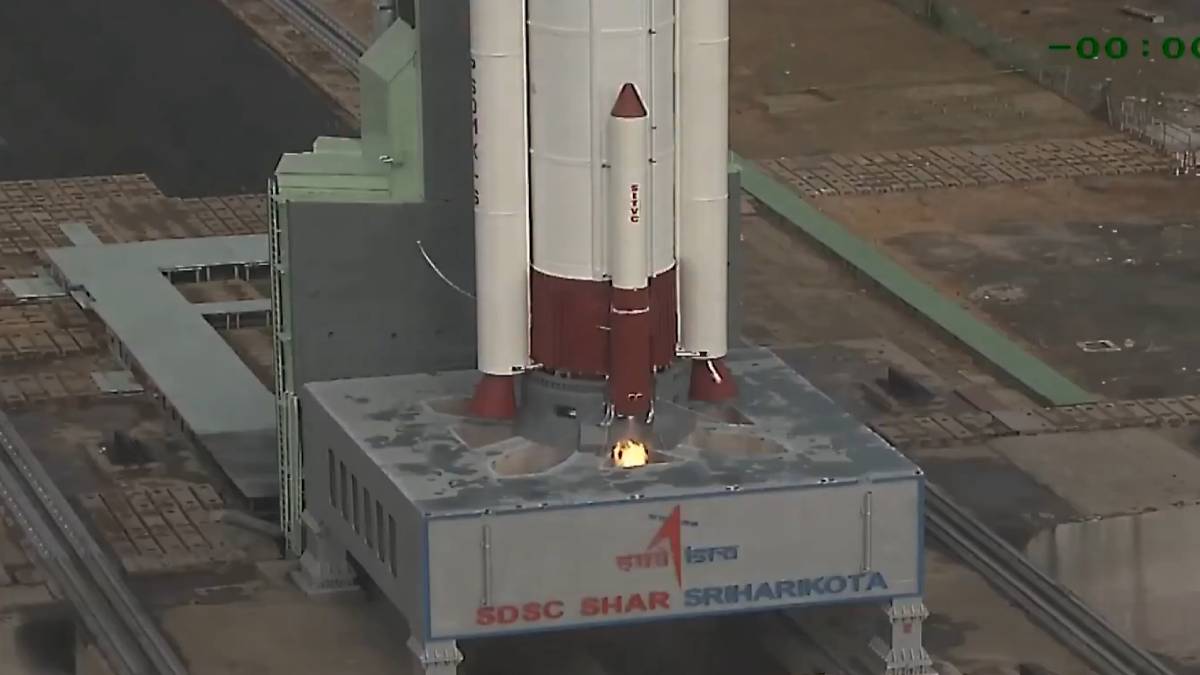
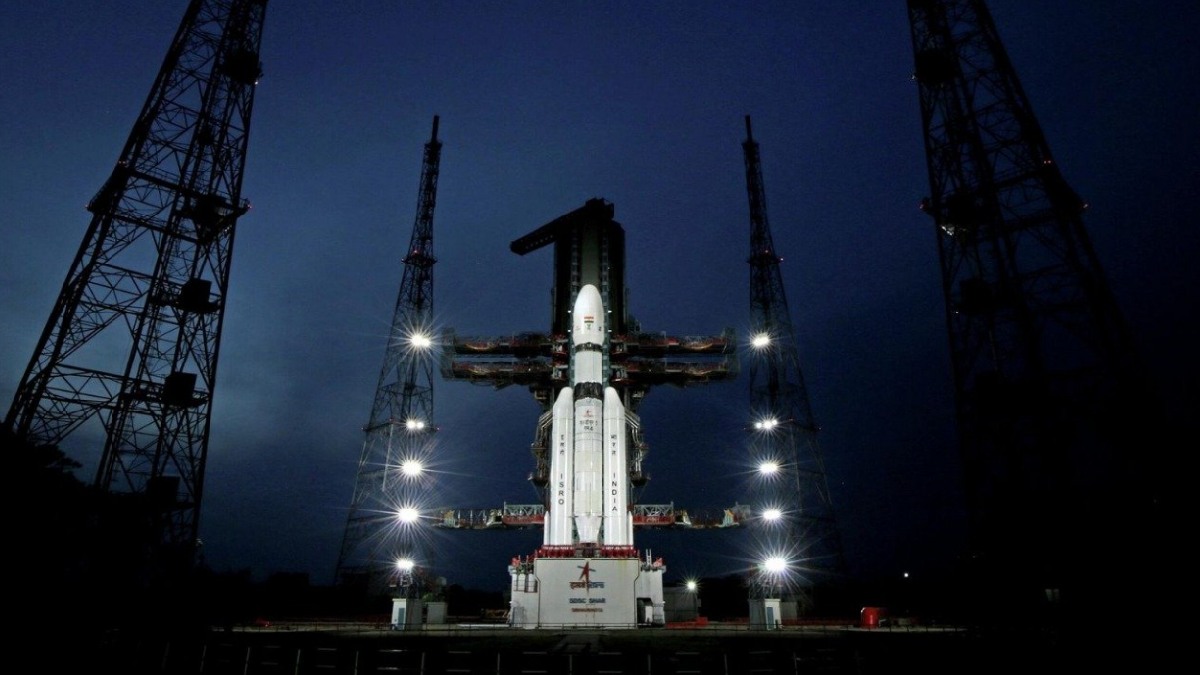
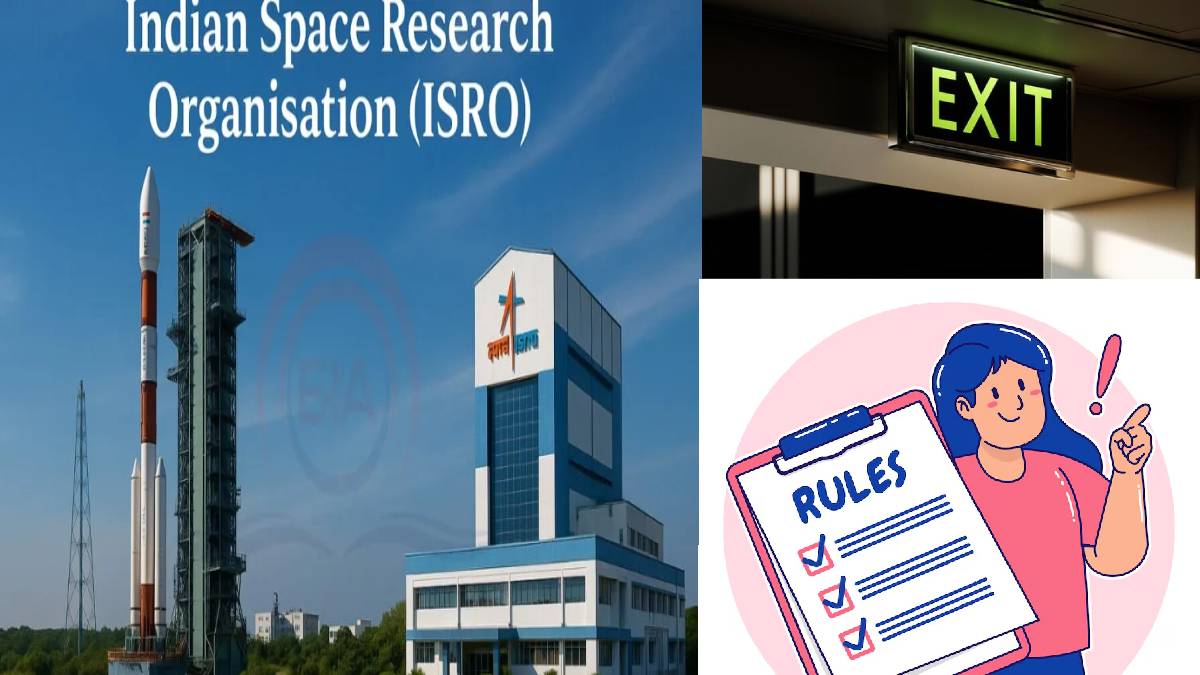
The Indian Space Research Organisation (ISRO) is also about to launch its ambitious 2026 plan in a big-time launch that will start out the new year. ISRO’s reliable workhorse — the Polar Satellite Launch Vehicle (PSLV) — will start its 62nd mission (PSLV-C62) from Satish Dhawan Space Centre Sriharikota at 9:30am IST on 12 January 2026.
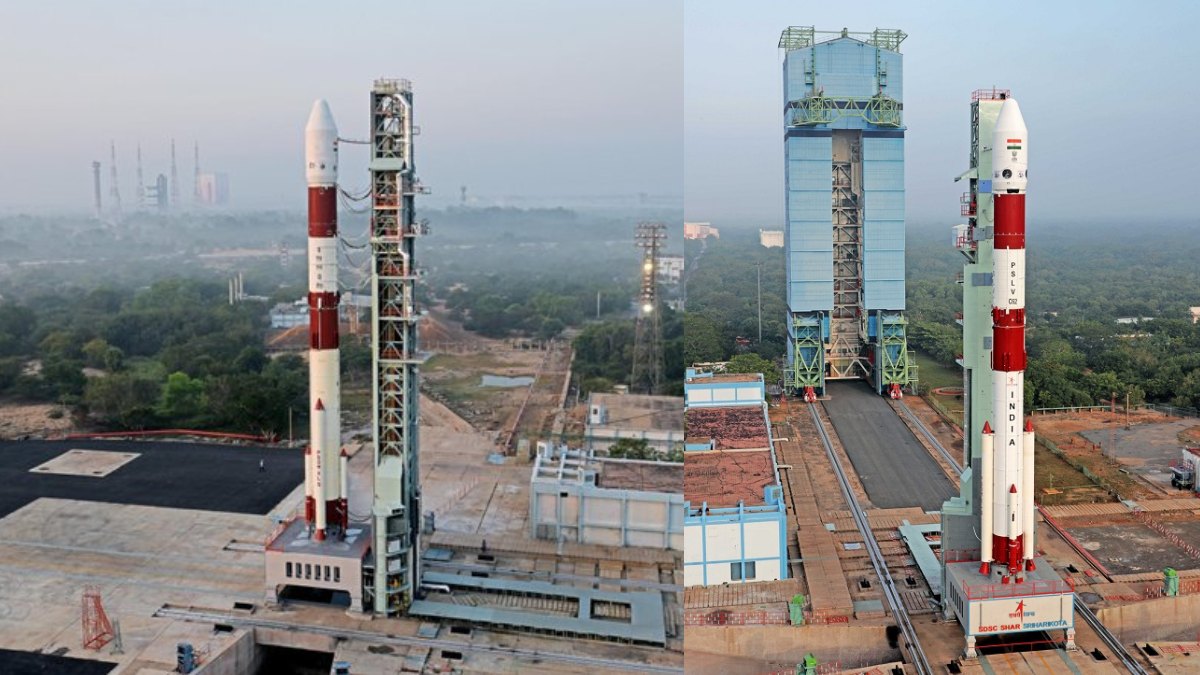
The significance of this mission for us is that we received EOS-07 as Earth Observation Satellite and 2 co-passenger small satellites; demonstrating that India remains one of the world's leading technology sectors and has been dedicating itself to be a part of space activity globally.
The launch is consistent with ISRO’s reliable delivery schedule and its clear emphasis on cutting-edge, high quality remote sensing capabilities for such varied use areas as climate and disaster monitoring and resource mapping following disasters. EOS-07, the payload of the PSLV-C62 mission, is a native Earth Observation Satellite with the capability to do missions for scientific objectives as well as many civilian purposes at high resolution.
With the weight of about 750 kg, it has a higher-order sensor and also a new class of hyperspectral imager. This very advanced capability will accelerate further India's monitoring of agricultural health, forest cover change, urbanization, and ocean dynamics. The EOS-07 data would prove essential for environmental studies and urban planning but also for global climate change research, helping to solidify ISRO’s role in international scientific partnerships.
Two such co-passenger satellites also complement EOS-07, albeit in a more constrained manner with a more important role.
First is Janus-1, a technology demonstration satellite developed by Antaris, a U.S.-based space company. Janus-1 is a 6U CubeSat weighing approximately 10 kilograms. The spacecraft was built to assist in testing Antaris’s revolutionary satellite platform and the software-defined payload of the platform. With the launch of PSLV-C62, it is becoming evident that ISRO's growing service demand provides global clients with competitive and reliable launch services.
The second passenger satellite is AzaadiSAT-2 created by students from India for Space Kidz India in collaboration with 750 girl students across the country. AzaadiSAT-2 -a 8U CubeSat to perform all scientific science experiments in space while at the same time getting a cheap attitude determination system, and detector to detect radiations.
ISRO is committed to developing of the future talent to promote scientific temper and for all of the children, and in particular for girls, to work in STEM subjects under my leadership. +1. PSLV-C62 has seen success by 2025, as it led into such missions again, demonstrating the PSLV is the most reliable option for ISRO.
Commonly known as ISRO's “workhorse,” the PSLV successfully launched a wide array of satellites from its base into orbits in 1993. It's this variety and dependability that has turned the technology into the go-to vehicle for deploying sub-jurisdictional and global satellite providers. There were major missions planned in 2026 at ISRO and this included some other projects of ISRO focusing on the Gaganyaan mission, Earth observation missions based on human and scientific studies. PSLV-C62 will be a win-win of sorts, fortifying ISRO's dominance on the global stage of the upstart space sector and being able to respond quickly and effectively with regard to all complex missions.