The Supreme Court on Wednesday ruled that hanging is a legally valid method of execution of the death penalty in India. The court was hearing the petition that asked if hanging is humane or dignified for executing a person sentenced to death.
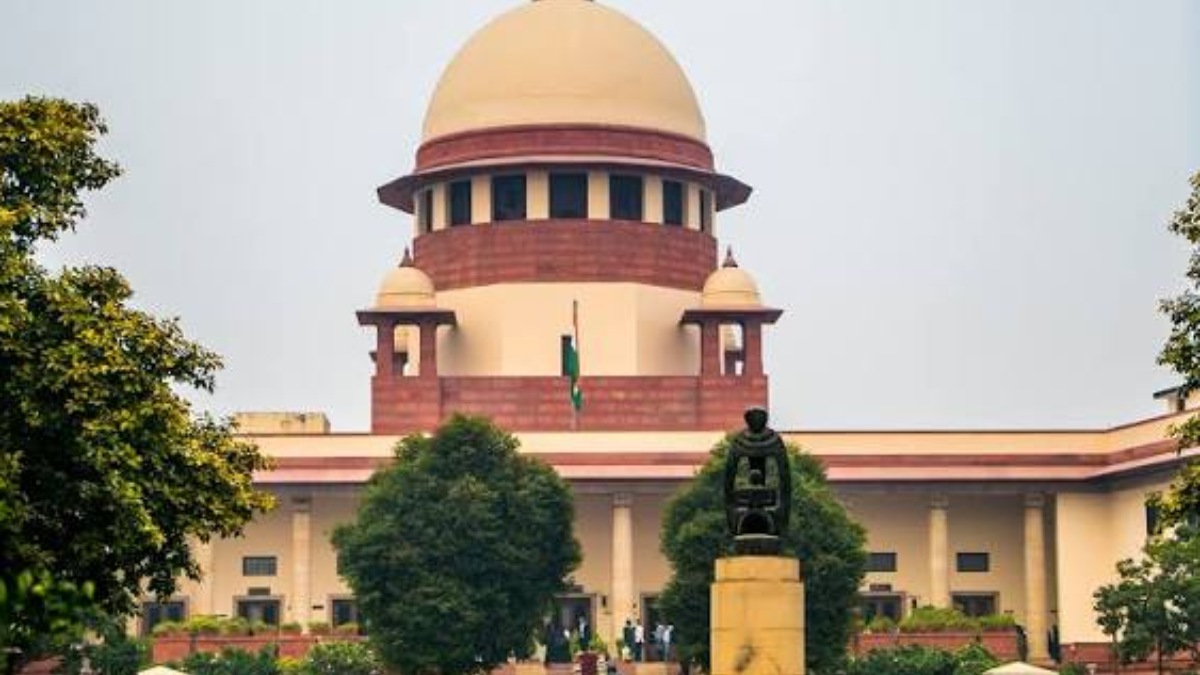
The two judge bench of Justices Vikram Nath and Sandeep Mehta declined to send the matter to a larger bench for reconsideration. The court also made it clear that its decision does not permanently close the door on the issue. If strong new scientific, medical or other evidence arises in the future, the constitutional validity of hanging could be examined again.
The decision is significant because India has continued to use hanging as its legally prescribed method of execution. Bharatiya Nagarik Suraksha Sanhita also retains hanging as the method for carrying out a death sentence.
The debate on the method of execution has been going on for years. Hanging can cause pain and suffering, petitioners say and India must look at other humane methods. Human dignity and the rights of people even after they have been sentenced to death have also been raised.
What the Supreme Court said about Other Methods
But while the court has ruled hanging is still valid for now, India can never consider another method. The Centre can still study and explore alternative options in the right legal and policy direction.
The Supreme Court has previously heard arguments about lethal injection. In previous hearings, the petitioners had argued that death row prisoners have a right to choose an alternative to hanging. The government had opposed replacing hanging with another method, saying that the existing system was workable.
It is the latest judgment that keeps the legal position in place, but it also acknowledges that scientific knowledge can change. If future medical or scientific evidence shows that the basis for the earlier legal position is no longer valid, the issue could come before the court again.
The court’s position is not simply that hanging can never be questioned. It has said that the current legal position remains valid unless there is convincing new evidence that changes the understanding of the method.
This distinction matters because the debate is not just about how a death sentence is carried out. It also involves constitutional questions about dignity, cruelty and the treatment of prisoners.
India’s death penalty is still legal, but courts have repeatedly said it should be used only in the rarest of rare cases. In the landmark Bachan Singh case, the Supreme Court established this principle. Capital punishment should be imposed only when life imprisonment is clearly not an adequate alternative.
That principle is still applied to the courts when deciding whether a person should receive the death penalty.
The latest judgment thus deals with the method of execution and not the abolition or continued punishment of capital punishment.
The ruling also leaves room for the Centre to look at if another method might eventually come to the fore. Any change would involve law, medical evidence, practical arrangements and government policy.
The issue has attracted attention since all countries shifted from hanging to other methods of execution. At the same time, different execution methods have also been criticized and faced legal challenges.
The Supreme Court's decision means hanging will continue to be India's legally recognised method for carrying out death sentences for now.
At the same time, the court has left an important possibility open. If future evidence shows that the current understanding of hanging is no longer scientifically or medically sound, the constitutional question could return to the Supreme Court.
So this verdict settles the issue for the moment but does not necessarily end the wider debate. The question of whether India should continue with hanging or eventually move towards another method remains open for discussion at the policy level.
For now, the legal position is clear. Hanging is still a legitimate method for carrying out a death sentence in India. Any change in that would be subject to action by the Centre and possibly further legal scrutiny.
The ruling will keep capital punishment in the debate alive, at least in part in terms of human dignity, constitutional rights and how the state should act on the ultimate punishment.