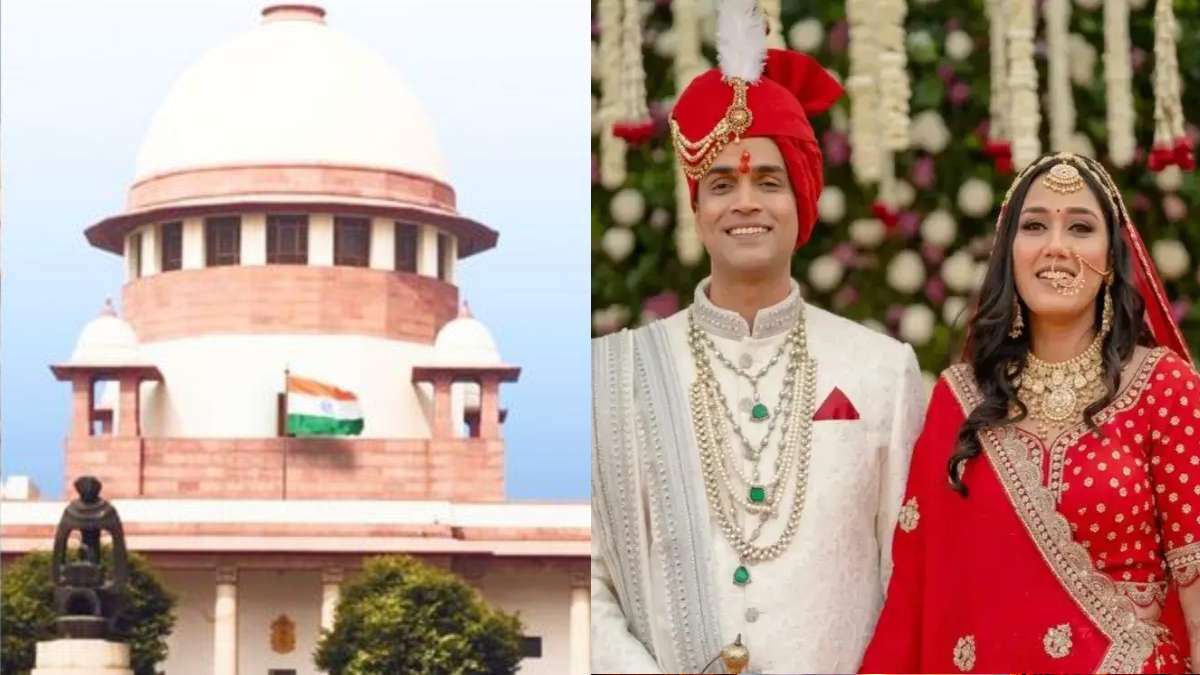
In a significant and sensitive decision, the Supreme Court of India has granted permission for passive euthanasia to Harish Rana, a man from Ghaziabad, Uttar Pradesh, marking one of the first such approvals under India’s legal framework for the right to die with dignity. The ruling has drawn nationwide attention to the ethical, legal, and medical debates surrounding end-of-life care.
Harish Rana had reportedly been suffering from a severe and irreversible medical condition that left him in a prolonged state of extreme physical distress and dependency on life-sustaining medical support. His family approached the courts seeking permission to withdraw life support, arguing that continuing treatment only prolonged suffering without any realistic hope of recovery.
After reviewing the medical reports and recommendations from an expert panel of doctors, the Supreme Court allowed the withdrawal of life-sustaining treatment under the provisions governing passive euthanasia. The decision followed established guidelines laid down by the court in earlier landmark judgments that recognized the right to die with dignity as part of the fundamental right to life under Article 21 of the Constitution.
Passive euthanasia refers to the withholding or withdrawing of life-sustaining medical treatment, such as ventilators or feeding tubes, when a patient is in an irreversible medical condition with no possibility of recovery. It differs from active euthanasia, which involves deliberate medical intervention to end a patient’s life and remains illegal in India.
The Supreme Court emphasized that the process must follow strict safeguards to prevent misuse. These safeguards include detailed medical evaluation, confirmation by independent doctors, and consent from family members or legal guardians. In many cases, courts or hospital ethics committees must review the request before life support can be withdrawn.
Legal experts say the ruling reinforces the framework established in the 2018 Supreme Court judgment that recognized living wills and passive euthanasia, allowing individuals to state their wishes in advance about refusing life-prolonging medical treatment in terminal conditions.
For the Rana family, the decision brings emotional closure after a long legal and medical struggle. They had argued that continuing treatment was causing immense suffering for Harish Rana while offering no medical benefit.
Medical professionals and legal scholars note that cases like this highlight the growing importance of palliative care, patient autonomy, and ethical decision-making in healthcare. While the right to die remains a deeply sensitive issue in India due to cultural, religious, and moral perspectives, the courts have consistently stressed that dignity and compassion must guide end-of-life decisions.
The ruling is expected to spark renewed public discussion about living wills, patient rights, and the legal procedures involved in passive euthanasia in India.