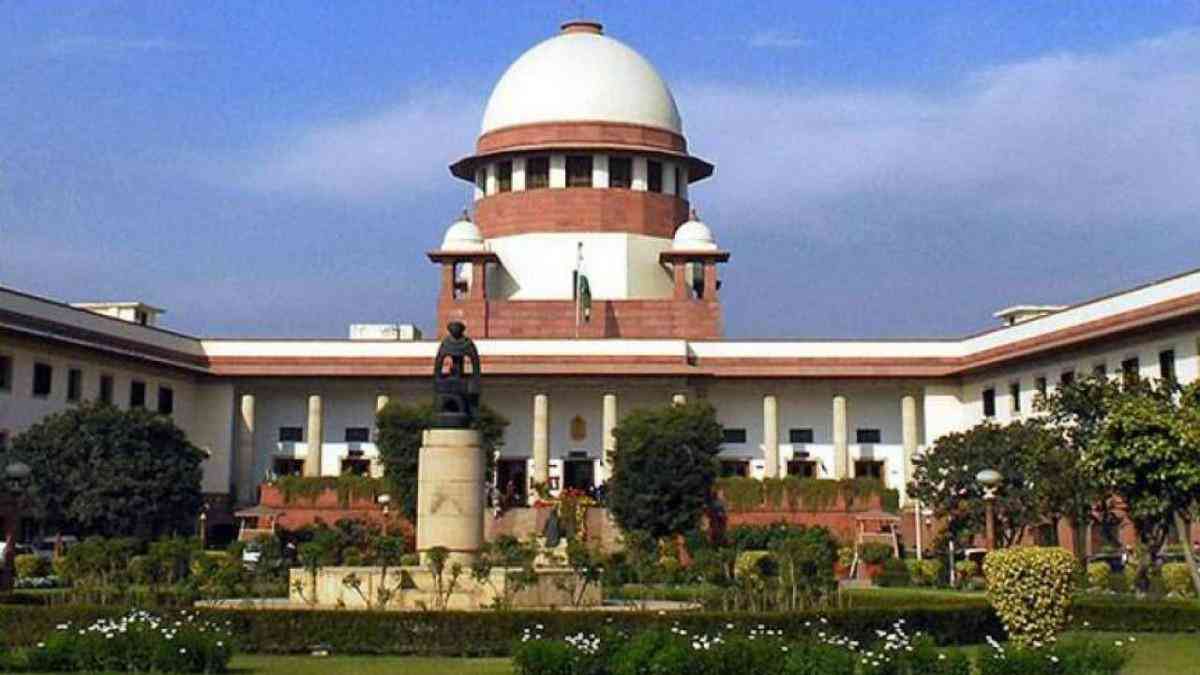
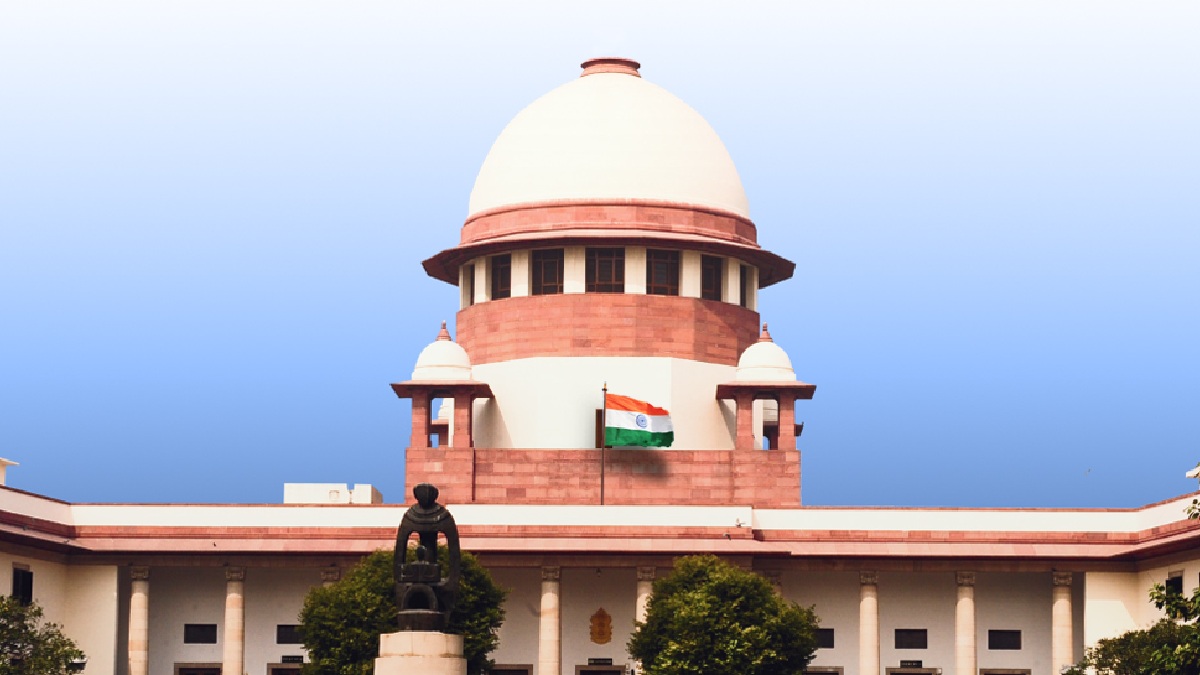
In what is surely a humanitarian intervention, the Supreme Court of India on Friday issued full-fledged directives to the Ministry of External Affairs (MEA) for immediate support and coordination for the families of Indian nationals who have been killed, injured or missing during the Russia-Ukraine conflict. The top court issued the directives when it was hearing a very serious public interest petition from families of many Indian citizens who were duped by fake travel agents, brought to the front lines of the foreign war under false pretenses and were forced to fight there.
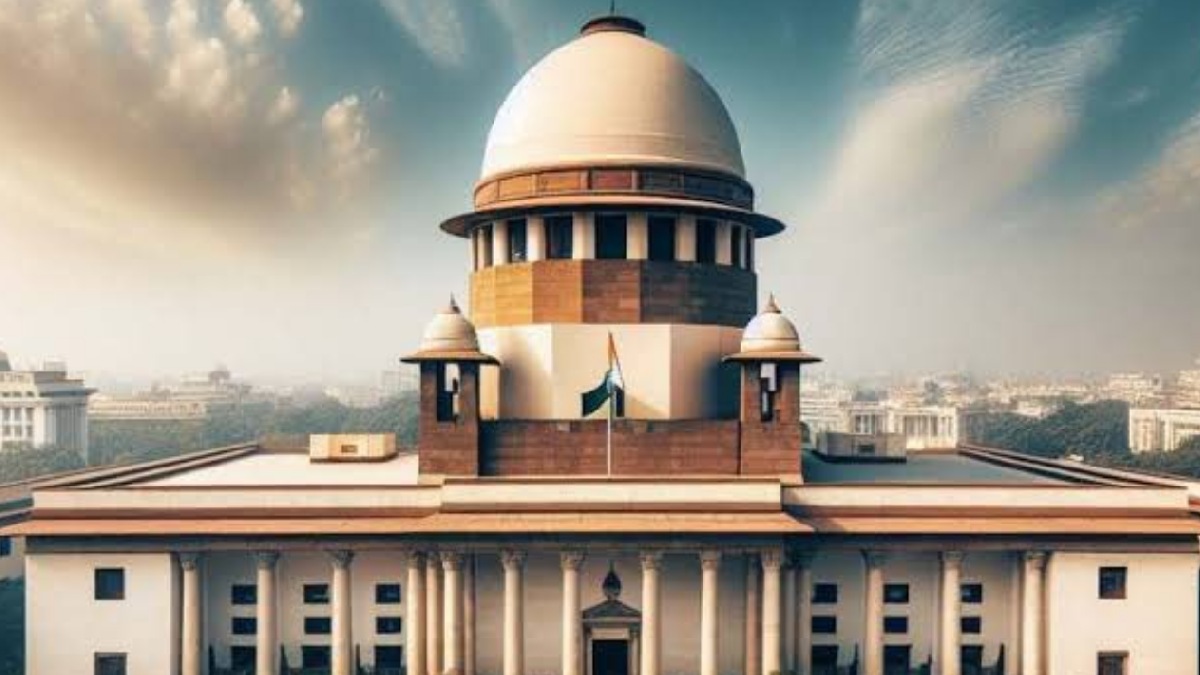
With regard to the severe burden on the relatives, the Supreme Court ordered the MEA to immediately appoint a dedicated nodal officer. The official will be in the loop to communicate with the affected families, track status and assist them in entering and leaving the country. It also directed the ministry to establish DNA testing facilities for close family members to identify and repatriate their dead bodies after the loss of their lives in the war zone.
Having recognized the burden and financial difficulties of such grieving families, the Supreme Court directed the MEA to actively assist families in filing formal compensation claims directly with the Russian Embassy in India. To guarantee that legal barriers do not hamper justice, the court further expanded its role by directing the National Legal Services Authority (NALSA) and State Legal Services authorities to provide the full range of legal help and logistics assistance. This institutional support is meant to help relatives reliably carry the bodies of their loved ones back to India and to pursue legitimate compensation claims in diplomatic and legal ways.
As an example of accessibility and inclusivity, the Supreme Court also stipulated that all procedural details, guidelines, and updates provided by the MEA must be made available to affected families in regional vernacular languages. This means that information reaches every affected household clearly to avoid language restrictions that may slow their search for answers.
This judicial intervention underscores the helplessness of many Indian citizens who traveled with the gullible travel agents who would promise lucrative overseas jobs or education, only to be trapped in combat roles. With diplomatic efforts in place between Delhi and Moscow to bring Indian nationals back safely, the Supreme Court's firm orders are an important step towards closure, accountability and justice in the matter for the families.