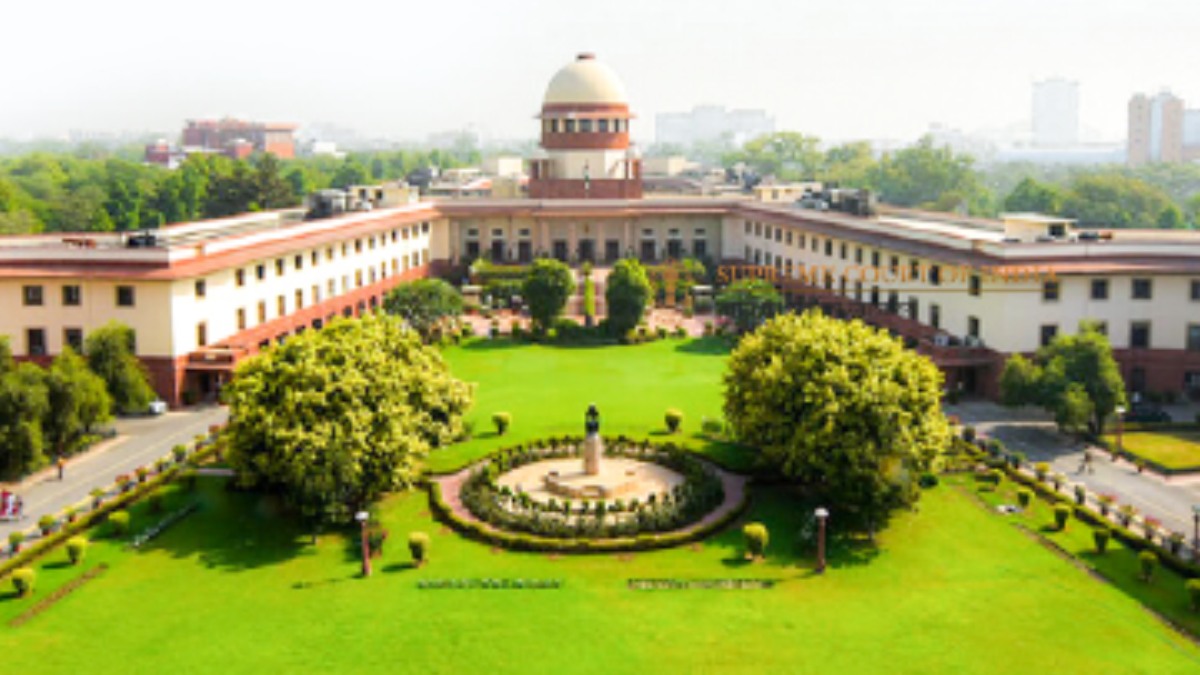
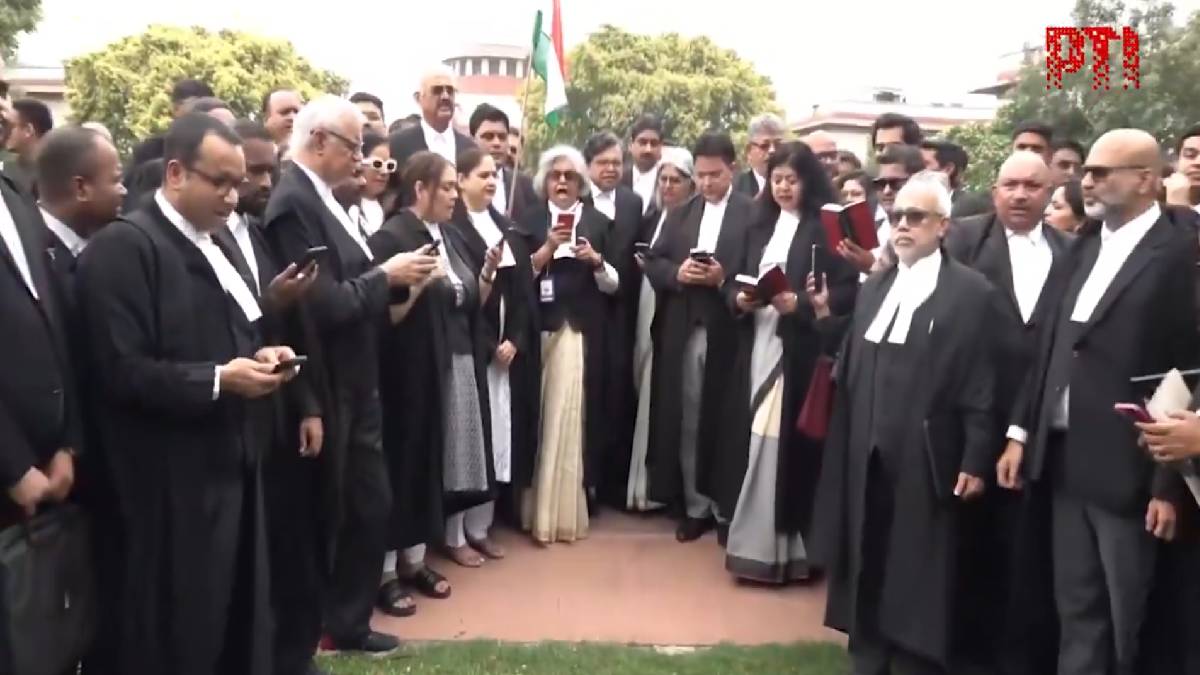
The Supreme Court on Monday, August 31, refused to stop the Cockroach Janata Party (CJP) from taking its proposed protest march from India Gate to Delhi Police Headquarters on September 5. But it said that decisions on the proposed demonstration were concerned mostly with law and order and policy and should be handled by the competent authorities and stakeholders.
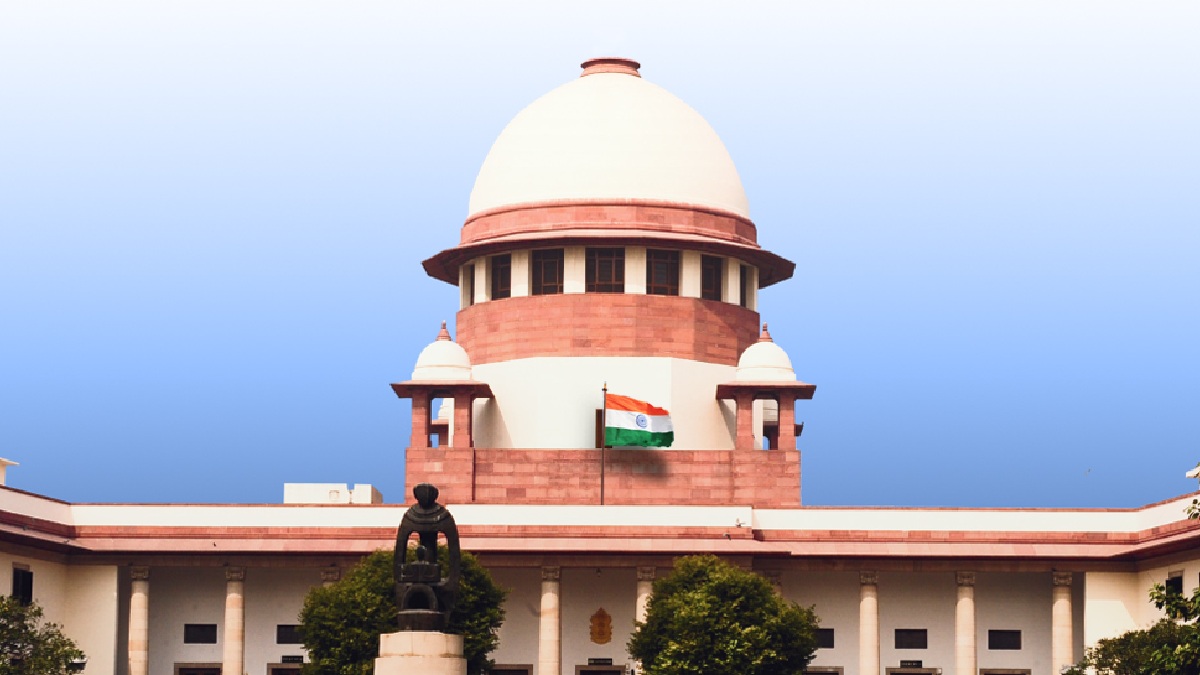
The Supreme Court on a five-member bench headed by Chief Justice of India Surya Kant said there were no compelling circumstances for judicial intervention at present. Still, the court did not stop the march and said it hoped that all groups and authorities would allow for peaceful demonstrations and that no untoward incident could happen.
The matter was brought before the top court through a Public Interest Litigation filed by retired Delhi Police officer Rajendra Singh. The petitioner was represented by advocate Rizwan Ahmed who asked for several directions in connection with the CJP protest held in Jantar Mantar on July 20.
The PIL sought compensation for police personnel who were allegedly injured during the July 20 demonstration. The plea also sought recovery of losses caused to government property by those who were to be responsible for the damage.
The petitioner said that even in highly sensitive areas around government institutions, such areas may need to be protected and no demonstrations in order to balance the right to protest with public safety, security and the functioning of prominent institutions.
The petitioner’s attorney spoke at Monday’s hearing about what he described as aspects of the dispute that have yet to be brought to light. The Supreme Court said it could not look at all the issues raised by protests and law and order issues in the PIL.
The Chief Justice directed the petitioner to the High-Powered Committee established by the Supreme Court to look into protests and police action. The court said it would take the various concerns into consideration and bring in its findings or reply to the court.
Describing the High-Powered Committee as a “neutral umpire,” the CJI added that larger issues of demonstrations, policing and public order should be addressed in a proper method with the relevant parties. The court did not directly intervene in the proposed September 5 march at this time.
The proposed demonstration was brought to the court's attention during the hearing when it was discovered that the CJP plans to march from India Gate to Delhi Police Headquarters on September 5. The development has also raised concerns because the BRICS summit is set to take place on September 12 and 13, with foreign dignitaries expected to attend.
Advocate Rizwan Ahmed also referred to the upcoming summit and stressed that the protest should be postponed until after the international meeting. The problem was alleged to be security measures and foreign leaders’ visits to the national capital.
The Supreme Court, however, said such questions were largely in the hands of law-and-order agencies. The court held that it is the authorities in the field who decide security requirements, how demonstrations are regulated and what decisions are made.
At the same time, the CJI stressed the importance of peaceful conduct. The court's words leave the immediate decision-making of the September 5 march with the concerned authorities instead of a judicial prohibition on the demonstration.
The court also noted that circumstances could change. If there is an alarming or untoward incident, the petitioner could return to the Supreme Court with a fresh application. That leaves room for judicial consideration if new facts or serious concerns arise before the demonstration is about to take place.
The proceedings are part of a wider legal discussion about how protests should be managed around sensitive public institutions while preserving the constitutional space for peaceful assembly. The court has already formed a High-Powered Committee to examine issues arising from protests and police action, and it indicated that the wider questions would be considered in that forum.
But the Supreme Court said the matter will be taken up along with pending petitions concerning protests and other issues. For now, the September 5 CJP march has not been prohibited by the apex court, with responsibility for assessing its security and law-and-order implications now lying with the concerned authorities.
The development puts Delhi’s law-enforcement agencies and other stakeholders on the spot and will have to consider the proposed route, security arrangements, public movement and various operational issues on September 5. The court expects all sides to act peacefully, and the bigger questions surrounding demonstrations around sensitive government locations are being considered.