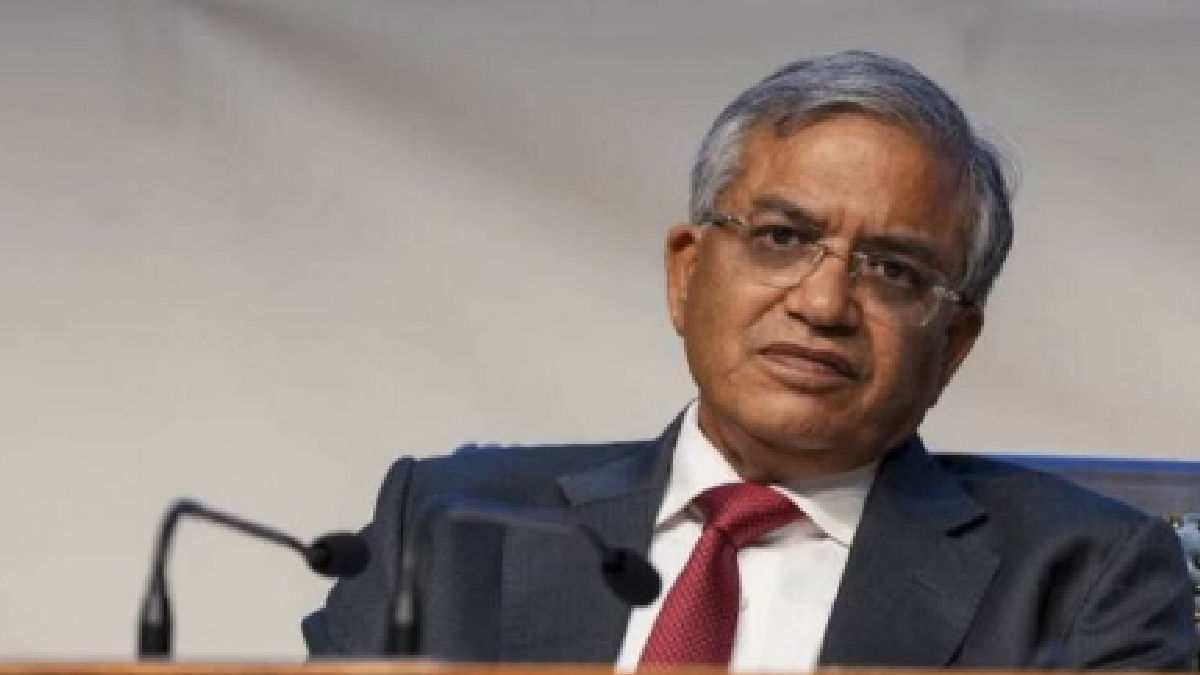
The Supreme Court will hear on 5 October a batch of pleas seeking the suspension of Chief Election Commissioner Gyanesh Kumar and challenging several decisions made by the Election Commission without the approval of the other two Election Commissioners. This comes at a time when the Special Intensive Revision (SIR) of electoral rolls is in dispute.
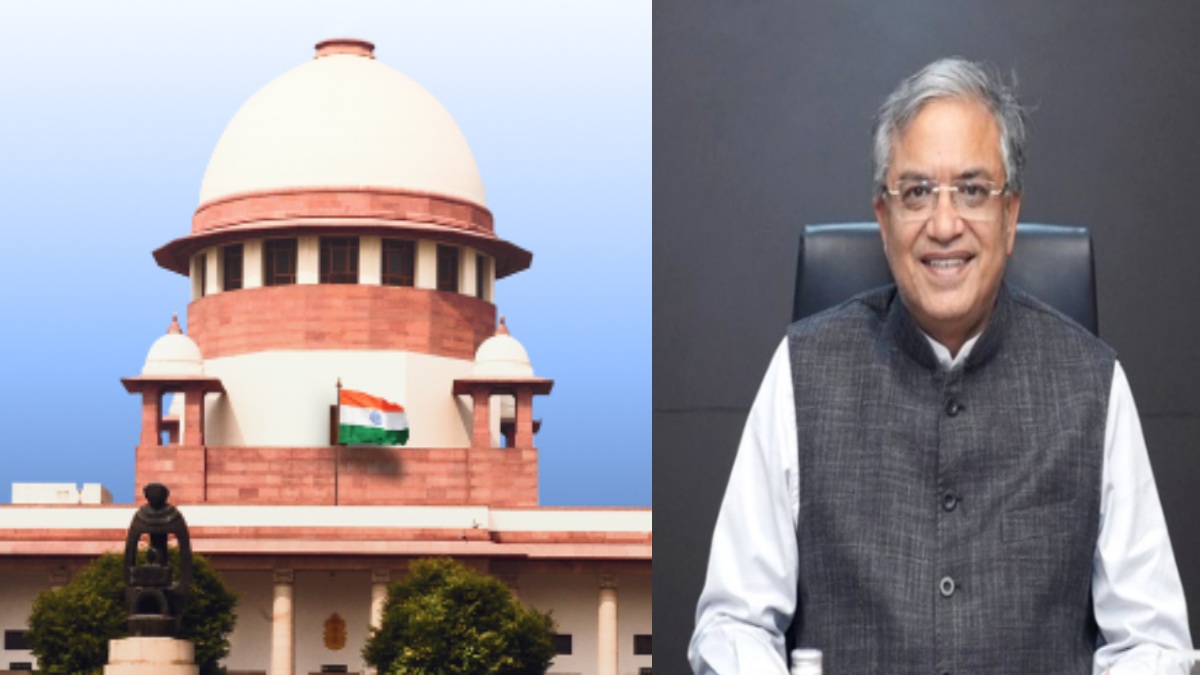
A bench of Chief Justice of India Surya Kant and Justices Joymalya Bagchi and V Mohana will hear the petitions by Rakesh Kumar Singh and advocate Shailendra Mani Tripathi.
The petition questions the functioning of the Election Commission under Gyanesh Kumar and raises concerns over alleged departures from collective decision-making.
One of the petitions asks for an order to stop Gyanesh Kumar from being Chief Election Commissioner until the matter is resolved properly.
The petitioners claim that some decisions, guidelines and software changes were made without the signature of Election Commissioners Sukhbir Singh Sandhu and Vivek Joshi.
The petitions also challenge decisions regarding the SIR exercise and electoral roll management. Among them is an alleged alteration to Form 6 used for voter registration. The petitioners have questioned the inclusion of ancestral details and links between them and previous electoral roll revisions.
There are also concerns about electoral roll matters in Goa and West Bengal. Some of the actions were allegedly done in the name of the Election Commission without the knowledge or approval of the other commissioners, the petitioners claim.
The pleas also ask for an investigation into the decision-making process within the Election Commission. One petition has asked for a probe into alleged voter deletions during the SIR exercise and another has sought criminal proceedings and an investigation into alleged breaches of official duty.
The controversy intensified after reports claimed that Election Commissioners Sukhbir Singh Sandhu and Vivek Joshi had raised objections on several occasions over decisions and orders related to the electoral roll revision exercise. At least 14 instances of such objections over the course of around 10 months were reported.
But the Election Commission has denied that its decisions were taken improperly. The poll-making body has said that differences in views and observations can arise in institutional deliberations and that its final decisions have legal sanction and follow established procedures.
The Supreme Court hearing would therefore be of great importance and would address questions of the collective functioning of the Election Commission, the powers of the Chief Election Commissioner and the legal validity of the decisions challenged by the petitioners.
The court has not yet ruled on the allegations raised in the petitions. The October 5 hearing will determine how the bench proceeds with the challenges and the various reliefs sought against the CEC and the Election Commission.