The Supreme Court today agreed to evaluate whether to recall its split decision on the law that governs the appointment of Chief Election Commissioner (CEC) and Election Commissioners (ECs).
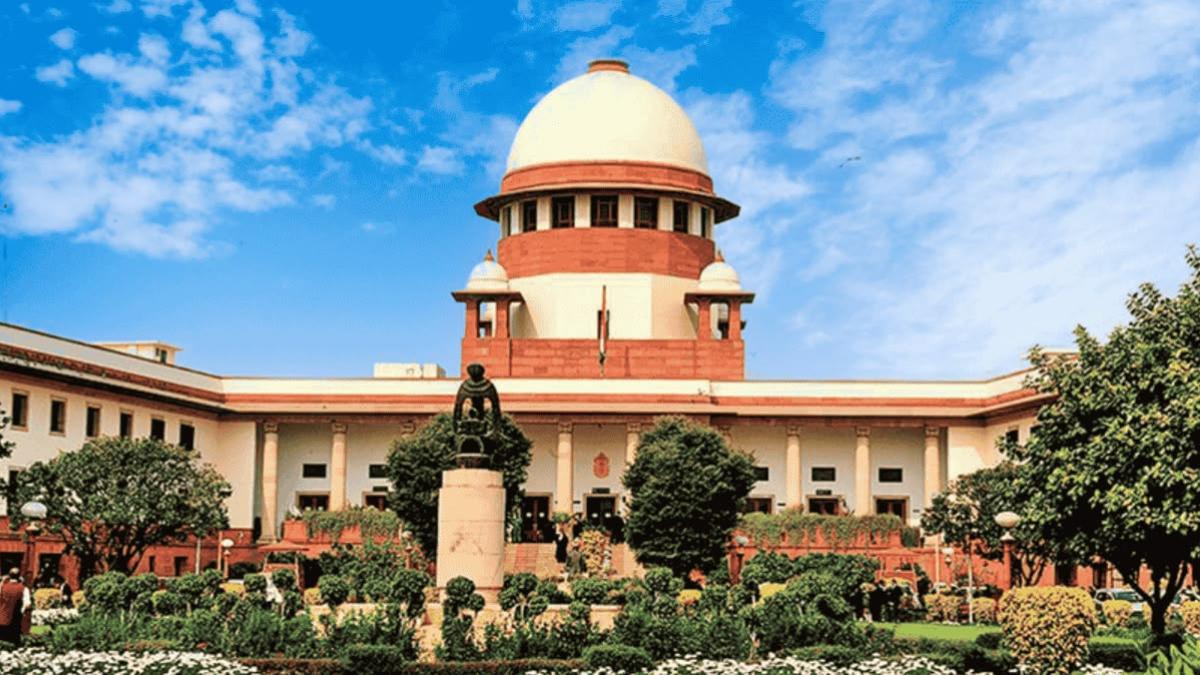
The development follows a two-judge bench made a different opinion about whether challenges to the 2023 law should be referred to a larger Constitution Bench after the September 23 court ruling. The matter was then taken to Chief Justice Surya Kant for his reply.
A Bench of CJI Surya Kant and Justices Joymalya Bagchi and V Mohana was told on Wednesday about the recall application by senior advocate Gopal Sankaranarayanan. The Chief Justice said the court will look at the application and will take a call on it.
What is the Plea Before The Supreme Court?
The recall application is related to the split verdict of Justices Dipankar Datta and Satish Chandra Sharma on 23 September.
Judges decided whether petitions challenging the constitutional validity of the Chief Election Commissioner and Other Election Commissioners (Appointment, Conditions of Service and Term of Office) Act, 2023, should be referred to a larger Constitution Bench.
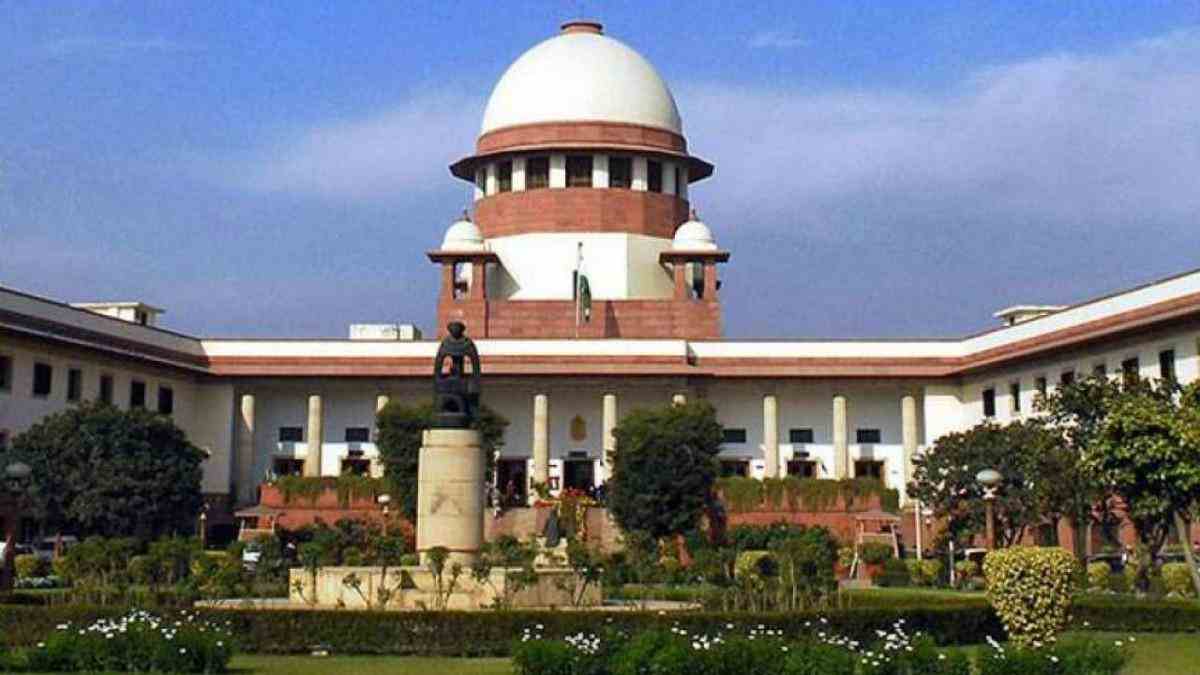
Justice Datta did not favor the Centre's request for such a reference, while Justice Sharma said that it should go before a five-judge Constitution Bench. Because of the difference of opinion the judges directed that the matter be placed before the CJI to consider constituting a bench of appropriate strength.
The new plea seeks to recall that September 23 order. At Wednesday’s hearing, the court was also informed that a separate curative petition had been filed.
Sankaranarayanan told the bench that the recall application was separate from the curative petition. He said that the recall plea had been mentioned before a bench headed by Justice Datta but was subsequently released from that bench and directed to be mentioned before the CJI.
Why is the 2023 CEC Appointment Law being challenged?
The dispute is on the composition of the committee that selects CEC and Election Commissioners.
In March 2023, a five-judge Constitution Bench in Anoop Baranwal v Union of India had provided for an interim mechanism for appointments. And until Parliament enacted a law, the appointments were to be made on the recommendation of a committee comprised of the Prime Minister, the Leader of Opposition in the Lok Sabha and the Chief Justice of India.
Parliament then passed the 2023 law. Unlike the interim process approved by the Supreme Court, the law does not include the CJI in the selection panel. The committee consists of the Prime Minister, the Leader of Opposition and a Union Cabinet minister nominated by the Prime Minister.
The Association for Democratic Reforms and Congress leader Jaya Thakur have challenged the law in the Supreme Court.
The petitions raise questions about whether the composition of the selection committee provides sufficient institutional independence in the appointment of the country’s top election officials.
What is next?
The question before the Supreme Court is, should the September 23 split verdict be recalled?
If the recall plea is not accepted, the problem of the validity of the 2023 law will continue its case to be considered through the process following the split verdict. The September 23 order ordered the papers to be placed before the CJI for a Constitution Bench.
The case is important since it arises from the statutory framework under which India's CEC and Election Commissioners are appointed.
So far, the Supreme Court has only agreed to consider the recall plea. No final decision on the application has been made. The court will decide what happens next as to how the challenge to the appointment law moves forward.