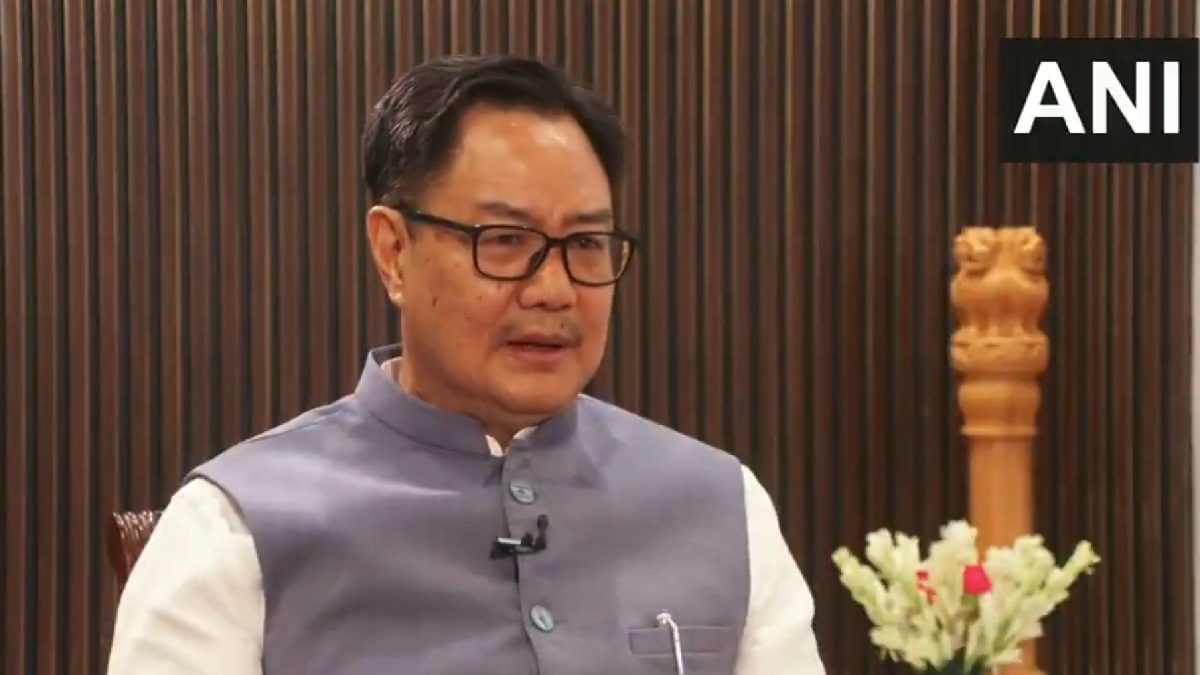
A former diplomat, Surendra Kumar, has called for intensified international pressure on Pakistan in view of unrest in Pakistan-occupied Kashmir (PoJK) and said it should be given more global attention.
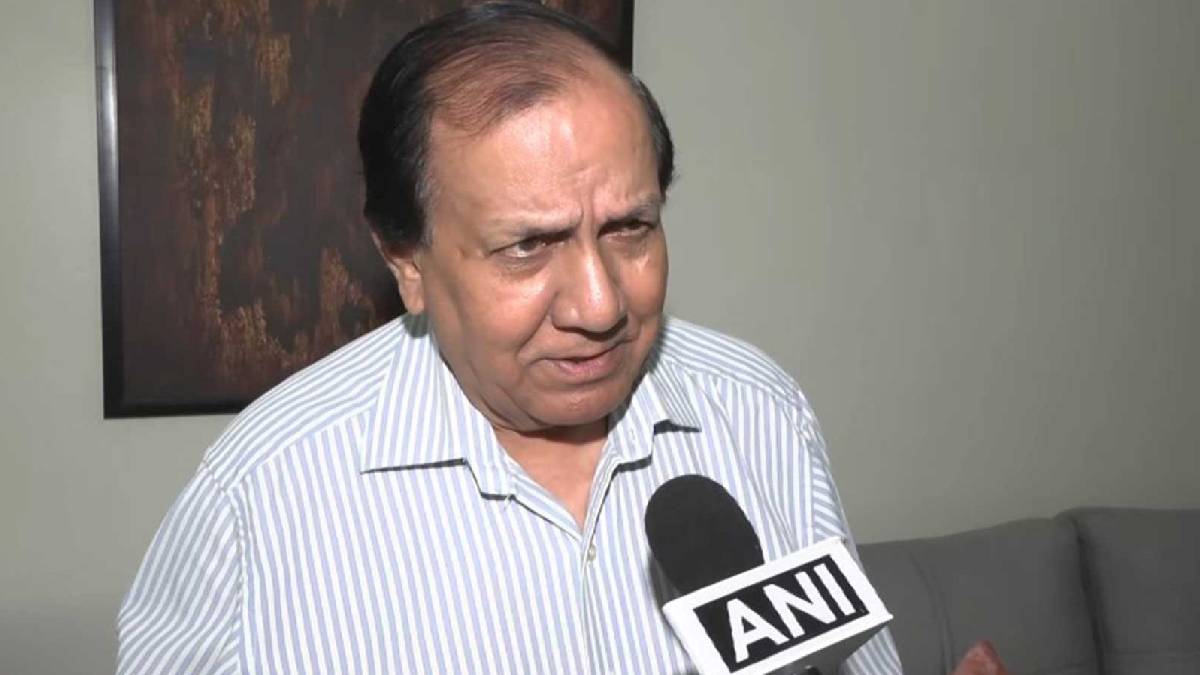
Kumar said that international pressure on Pakistan should be intensified, and the world community should take note of the issues that are emerging from PoJK.
"International pressure on Pakistan should be put": Former diplomat Surendra Kumar on PoJK unrest
— ANI Digital (@ani_digital) August 3, 2026
Read @ANI Story | https://t.co/CfxlbzIVPH#PoJKunrest #Pakistan #SurendraKumar pic.twitter.com/TbAxfn76i0
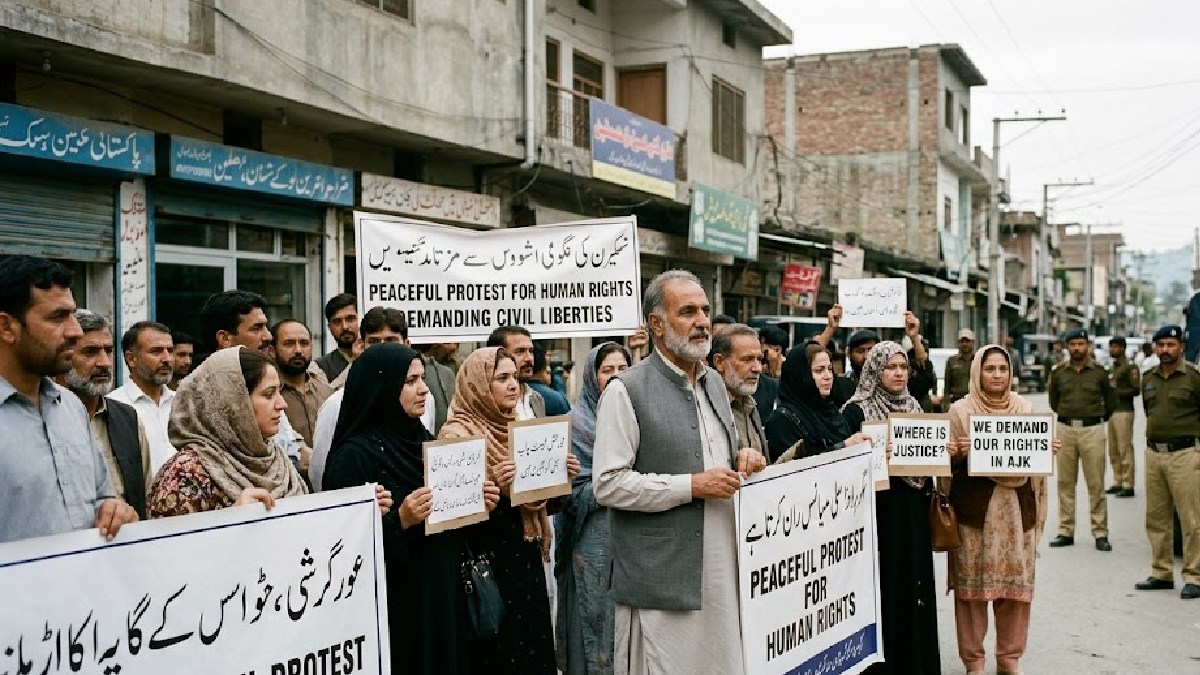
His comments come as protests, public anger and political tension in the region resurface again. Poor governance, a bad economy, lack of basic services and the public's demand for more accountability have been highlighted by PoJK reports.
The former diplomat’s comments put the focus on a global response to the unrest and the question of whether world institutions and foreign governments should take a stronger stance on the situation.
Kumar’s comments show that international attention could create greater pressure on Pakistan to act on residents’ concerns and to deal with grievances through peaceful, democratic means.
PoJK has been seen periodically through protests over inflation, electricity charges, taxation, food prices, and the availability of basic public services.
Public demonstrations have also raised broader concerns about political representation, administrative accountability, and economic opportunities.
The recent unrest has increased attention on the problems of residents of the region and the Pakistani authorities’ response.
Kumar thinks that international pressure could act as a means to pressure Pakistan to respond to the concerns of the people and address allegations around governance and human rights.
And as far as we know, the former diplomat did not specify which countries or international organizations should take action. But his point is that the issue should be brought forward in diplomatic channels and international forums.
The call for international pressure is likely to spark political and diplomatic discussions in India, where the situation in PoJK is still an important foreign-policy and national-security issue.
India has always maintained that the whole region of Jammu and Kashmir is an integral part of the country. New Delhi has also expressed concern about the political and human rights situation in areas under Pakistan’s control.
Pakistan, however, has rejected India’s position and continues to raise the Jammu and Kashmir issue in international forums.
The different positions of India and Pakistan have made the issue one of the most complex and long-standing disputes in South Asia.
Kumar’s remarks come at a time when public protests and unrest in PoJK have drawn attention on social media and in regional news reports.
Demonstrations in the region have usually involved demands on the cost of living, electricity pricing, taxation, and the distribution of resources.
Protest demonstrations have also been met by violent confrontations between the demonstrators and the security forces in some cases, and there are fears for public safety and escalation.
The former diplomat’s call for international pressure is therefore likely to be seen as an appeal for greater diplomatic scrutiny of the situation.
Supporters of such an approach may say that international exposure will bring transparency and accountability.
But Pakistan may see external pressure as interference in its internal affairs and reject calls for international involvement.
The issue might also be part and parcel of an international diplomatic debate on human rights, regional stability and the political future of Jammu and Kashmir.
The unrest in PoJK has focused more on the economic and administrative situation in the region.
Residents have expressed concern about rising costs and the impact of economic difficulties on households. Public demonstrations have called for reforms and greater relief for ordinary people.
Kumar’s words suggest that these concerns can’t simply be put down to domestic or regional debate.
"International pressure on Pakistan should be put,” he said, and called for more global attention to the situation.
The former diplomat’s comment could lead to a fresh debate about India’s diplomatic approach to developments in PoJK.
The Indian government has frequently highlighted Pakistan’s administration of the area and called for Islamabad to address issues related to terrorism, governance and human rights.
The recent unrest could provide an additional point of discussion in India’s diplomatic engagement with international partners.
Kumar’s comments once more have brought attention to the unrest and the need for a response that serves the rights and interests of residents.
The situation is under close observation and more developments will depend on the Pakistani authorities’ response, the actions of protest groups and the political climate in PoJK.