Swiggy Dineout Price Shock: Consumer Commission Orders ₹1 Lakh Compensation Over Misleading Buffet Pricing
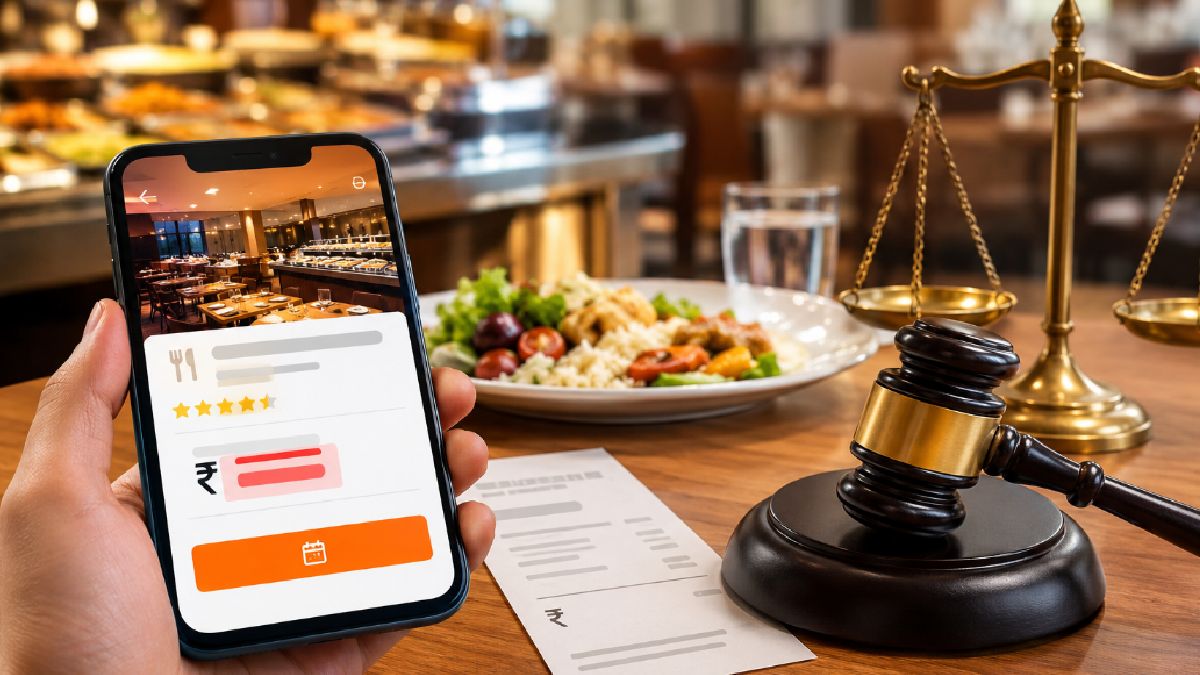
A consumer commission has ordered Swiggy Dineout to pay ₹1 lakh in compensation because of an incorrect buffet price shown on the platform and because the diner had been misled by it. The decision has triggered discussions in the online restaurant industry about consumer rights, digital marketplace accountability, and the duties of online aggregators to present the pricing information accurately.
The dispute began when a customer used the Swiggy Dineout platform to book a buffet meal at a restaurant after seeing a specific buffet rate on the application. The price shown on the application influenced the customer’s decision to make the reservation, said the complaint.
When the customer arrived at the restaurant, they were told that the actual buffet charge was much higher than the price on the website.
The customer felt deceived by the discrepancy and went about eating the meal but then filed a complaint with the consumer commission. The complainant claimed that the inaccurate pricing information amounted to unfair trade practices and caused financial loss as well as mental distress. Consumer purchasing decisions depend on digital platforms, and any false information can have a direct effect on consumer purchasing decisions.
The commission went through the evidence of both parties (screenshots, booking records, and details of the transaction) during the hearing.
According to the report, consumers can reasonably expect that the prices exhibited on a reputed online site are representative of the cost they will need to pay. Such a significant difference between the advertised and actual price can cause confusion and undermine consumer trust.
The commission said that online aggregators are crucial in connecting restaurants and customers, and they have to ensure that the information they post on their websites is correct and updated. The panel discovered that the incorrect buffet rate could mislead consumers and could constitute a deficiency in service.
As such, Swiggy Dineout was told to pay the complainant ₹1 lakh for the inconvenience and distress caused by the misleading listing. Digital platforms are not exempt from consumer protection laws and can be held responsible when inaccurate information is presented to users, the decision indicates.
Consumer rights experts also welcomed the decision as evidence that businesses operating online should be transparent in the same way as they are in traditional commerce.
It also points to a larger issue of online marketplace ecosystems. Experts say restaurants need to be in a position to make price changes in real time so that they can easily update listings, preventing disputes with customers and avoiding legal consequences for misalignment.
For consumers, the ruling is a reassurance that misleading advertisements and inaccurate online listings can still be challenged under consumer protection laws. When there is a dispute, legal counsel advises customers to keep screenshots, booking confirmations, receipts, and communication records; such evidence can be instrumental in consumer disputes.
As India's digital dining and food-tech sector is growing rapidly, this judgment will be viewed as an important precedent. It sends a strong message to online service providers that accuracy, transparency, and consumer trust should be at the heart of their operations.
But the case has once again underscored a simple but powerful principle: what customers see online should match what they are ultimately asked to pay.