A customer has filed a complaint about an online footwear order in which they say they received a pair of old and severely damaged shoes instead of the new “Daily Walk Sneakers For Men” that had been ordered.
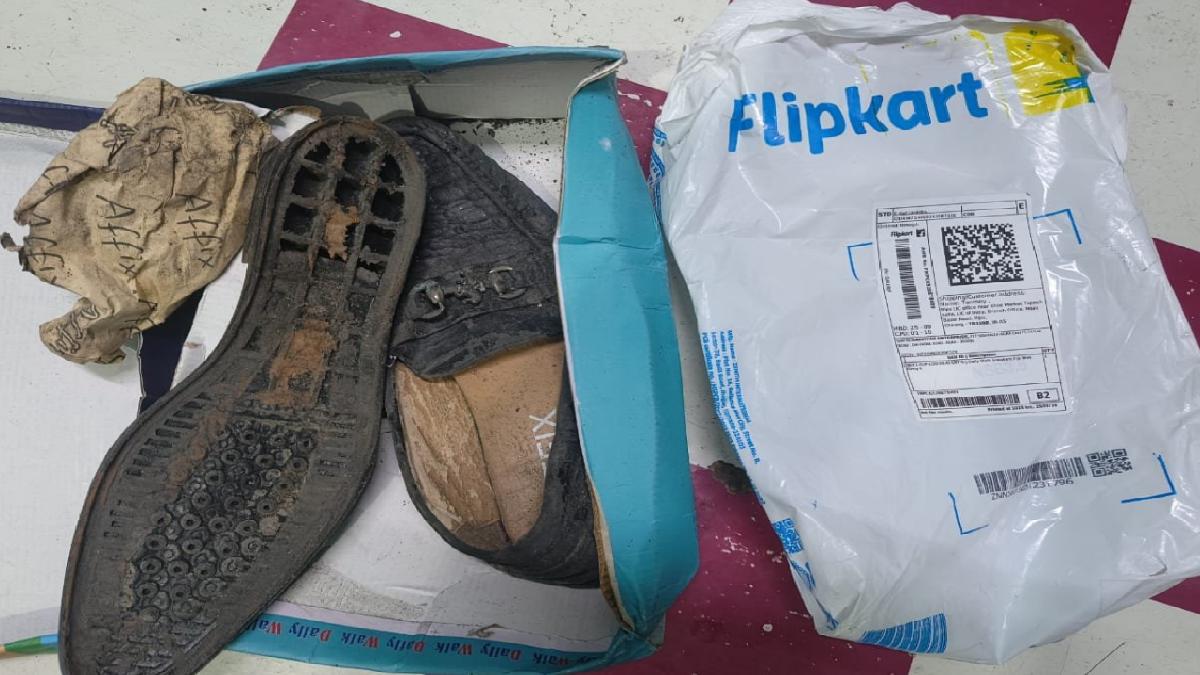
One of them was to order men’s daily walking sneakers. But when the package came, it was evidently very different from what the customer had thought. Instead of a new pair for everyday use, the shoes delivered were old and completely destroyed, the customer said.
The customer has expressed disappointment over the condition of the product and said the experience raised serious concerns about quality checks during the packing and dispatch process. Online shopping platforms generally have return mechanisms for defective, damaged or incorrect products; customers expect items to be checked before they are sent out for delivery.
In this case, the customer said that the return request has already been approved. The immediate demand is now for the damaged footwear to be collected without further delay and for the refund to be processed after the return is completed.
The complaint is emblematic of one of the most common issues when shopping online: what customers expect and get. Product images, descriptions, and specifications on the web might give consumers a specific impression of the product and quality. When the product is damaged, used or otherwise not suitable for delivery, consumers may find it difficult to return or refund the product.
In footwear especially, customers expect to see unused product and not visible defects when a product is delivered. Shoes for daily use also need to be in good shape because their construction, sole and overall material quality matter for comfort and usability. A visibly damaged or old pair may not be of any use to the customer even if they purchased the correct kind of product.
The customer has asked for immediate pickup of the damaged shoes. A quick collection would help the process of returning products and would bring the complaint to a close. The customer also wants a refund after receiving the returned product and completing its return process under the platform’s return policy.
Ordered "Daily Walk Sneakers For Men" (Order ID: OD438714069263587100 ) I received completely destroyed, old shoes instead of my order! Return is approved, but this quality control is shocking. Please ensure immediate pickup & refund. @Flipkart @flipkartsupport @jagograhakjago . pic.twitter.com/DXMyd89gRP
— jitu Saha (@jituXh) October 2, 2026
So the incident also raises questions about quality control at different stages of the e-commerce supply chain. Prior to a product entering into the customer’s hands, it is likely to pass through inventory storage, picking, packing, transportation and delivery. Proper inspection at the time of delivery can uncover visible damage, used or defective products before the consumer gets it.
For consumers, documenting the condition of a package immediately after delivery can also be useful when a product is damaged or incorrect. Photographs or videos of the package, shipping label or product condition can be used to provide evidence for a return or refund claim, if customers want to prove a case if there was a problem. And customers can keep invoices and payments and return-related communication until the problem is resolved.
In this case, the customer has already received approval of the return, which indicates that the return process has moved beyond the initial complaint stage. The only remaining issues are the pickup time and refund. The customer has asked the seller or platform to handle the two issues.
Although that particular complaint is about an individual order, it is part of a larger expectation among online shoppers that e-commerce platforms have effective quality-control systems. Users rely on these systems because they cannot physically inspect a product before placing an online order.
Whether the damaged shoes were sent because of an inventory error, inadequate inspection or another issue has not been independently established. The complaint is the customer's account of the delivery experience. A final assessment would depend on the platform or seller’s examination of the returned product and its internal records.
The customer is looking for a quick resolution: the shoes are collected for return and refund. That’s a lesson on shipping products quickly and keeping evidence when the product is not the way expected.