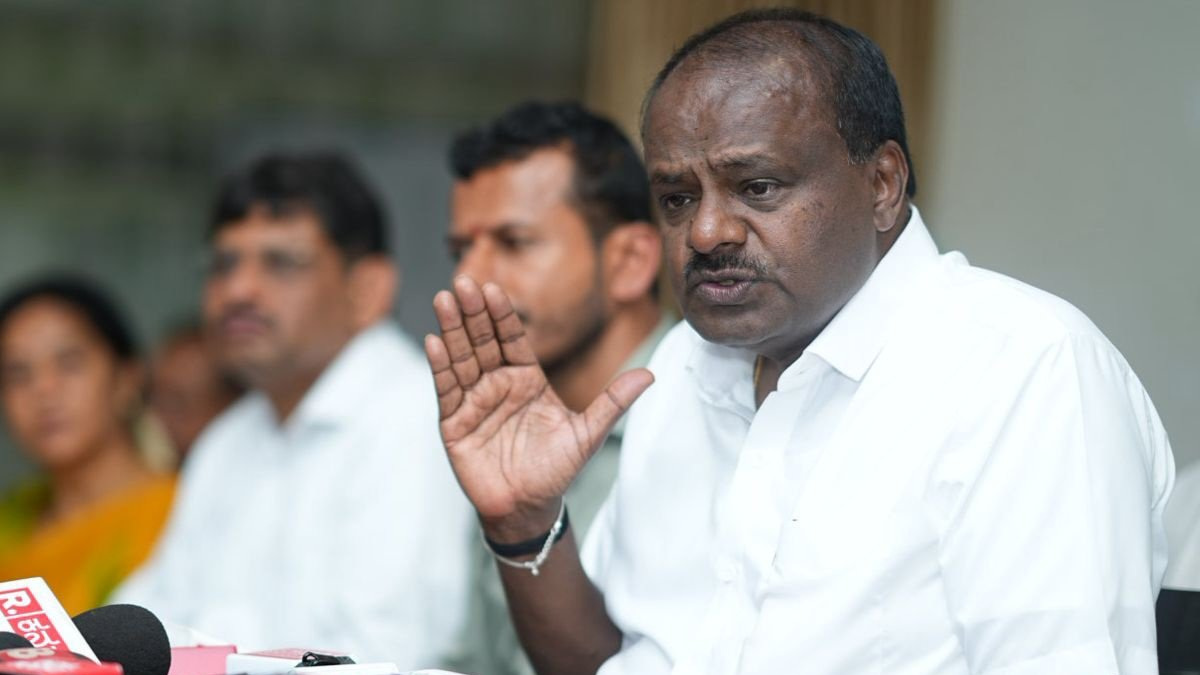
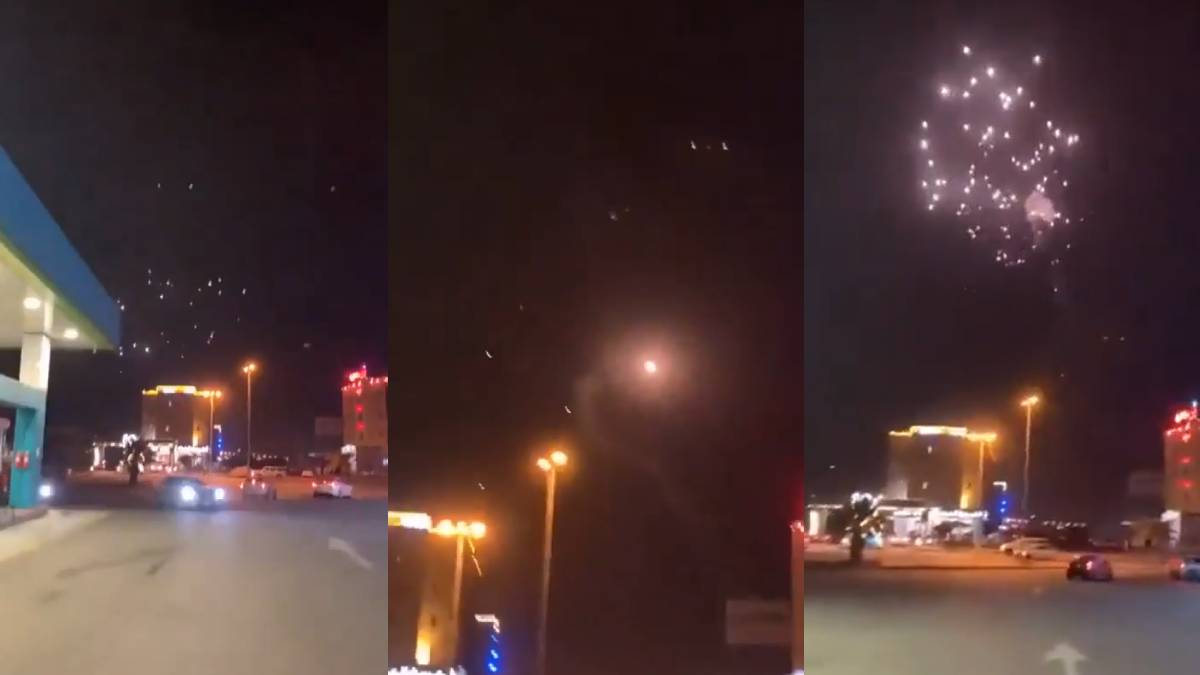
The dispute over the Ganesh procession in T Narasipura of Mysuru district erupted following comments made by police inspector Dhananjay and a political fight between the two sides.
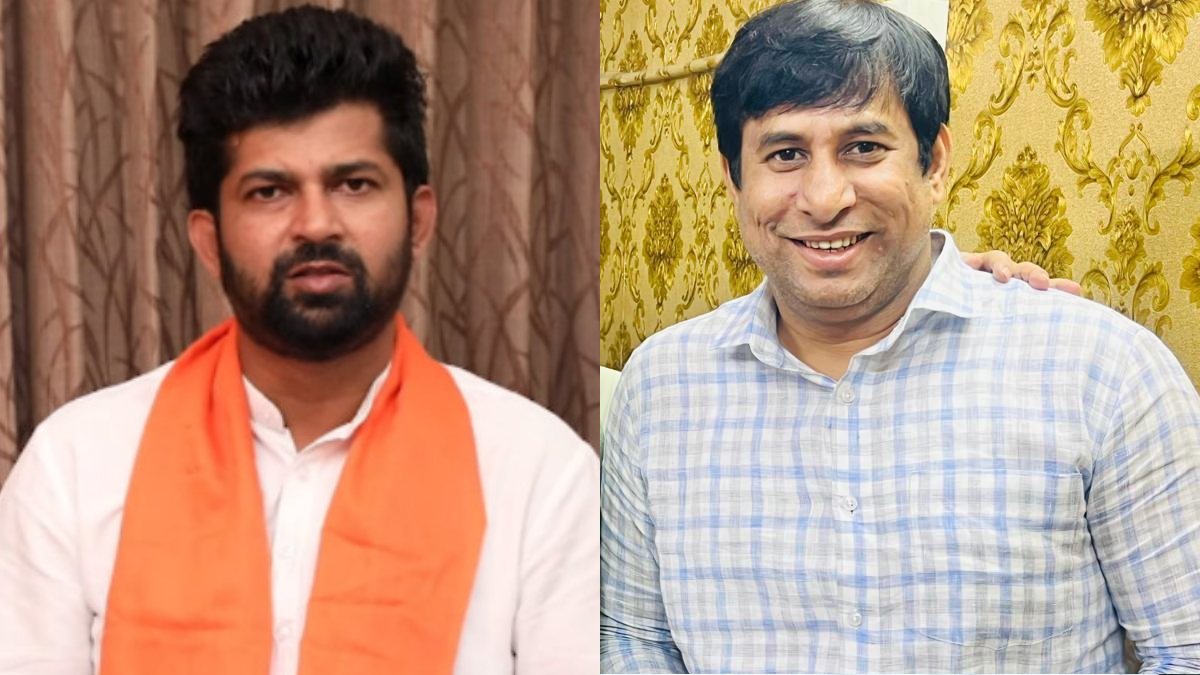
T Narasipura police station Inspector Dhananjay had warned the organisers against taking a Ganesh procession in front of a mosque and said that if firecrackers were burst close to the mosque, he would take action against those responsible. His remarks, and the language attributed to them, were widely circulated on social media and drew criticism from BJP leaders.
The issue gained more political traction after former Mysuru MP Pratap Simha struck back angrily and sharply at the inspector on the matter. Simha threatened to enter the police station if the senior officer’s comments came back, said the former MP. He also accused the police officer of speaking too quickly and unsoundly and not being appropriate for an officer in the position of a responsible officer.
The controversy didn't stop there. After Simha’s criticism, Imran Pasha, a close associate of Karnataka Minister Zameer Ahmed Khan, launched a strong counterattack against the former MP.
At a Padarayanapura event in Bengaluru, Pasha warned Simha against making statements about Muslims in a speech, he said. He used aggressive language in his reply to the former MP and even made comments on physical confrontations (e.g., eggs and shoes were thrown at Simha and shoes thrown at him like chicken feet or eggs and shoes and so on).
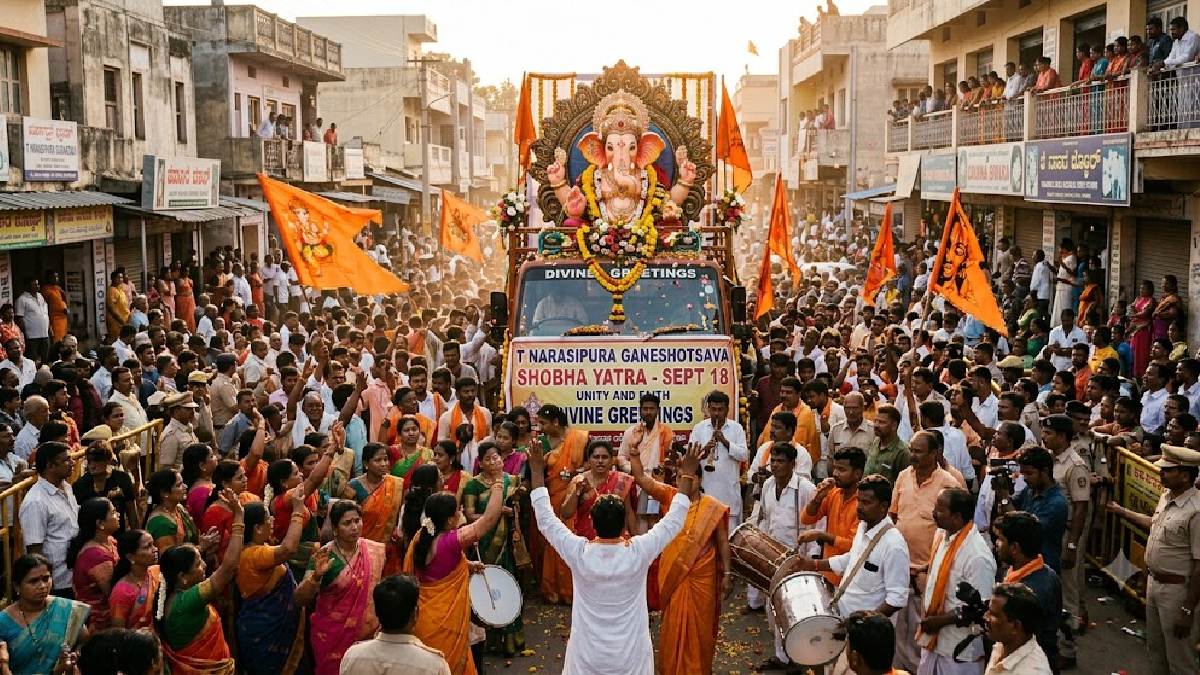
And Pasha also made some quite provocative comments on Muslim women and claimed that even a large number of people could not harm the Muslim community. The comments are heard across the political divide, have been widely shared on social media and have only added to the tension in the area.
So is the way politicians and their allies are talking about a sensitive religious issue, and it is raising concerns that the language is too confrontational.
The original issue is the Ganesh procession proposed in T Narasipura. There are questions about whether the procession should pass in front of a mosque and whether firecrackers are allowed there in the area; police are trying to control the situation so that it doesn’t get out of hand.
BJP leaders have accused the Congress government of failing to strike a good balance in dealing with the issue. They have also criticised the language that Inspector Dhananjay used and called on him to act against the officer.
The controversy has also become part of a larger political fight in Karnataka, with BJP leaders depicting it as appeasement politics and Congress-linked figures also criticising what they feel are provocative statements from opposition leaders.
The latest comments from Pasha have deepened the political spat. His comments are likely to be further criticised by BJP leaders, especially as a response to a dispute that has already involved a sensitive religious procession and police warnings of late one-sidedness of the police.
At a time when authorities are supposed to keep the peace and not escalate, the more aggressive statements of political leaders have become an additional concern. Religious processions and public gatherings can be particularly sensitive when routes pass through mixed-population areas or near places of worship.
The T Narasipura issue is not only about one procession, and it is now a political conflict between police behaviour, religious sentiments, public order and the language of the political representatives.
The statements made by Inspector Dhananjay, Pratap Simha and Imran Pasha have received a lot of attention online. The statements are to be understood in their context, and any claims on social media should be checked independently before being treated as facts.
The Ganesh festival is on, and the government will need to make sure that procession routes, public worship and security arrangements are in place. The pressure on political leaders and community leaders not to release statements that could only increase the tension is also high.
The immediate challenge for the administration will be to ensure that religious celebrations are peaceful and respectful of all communities’ rights and sentiments. Higher political rhetoric would only exacerbate that problem.