Tamil Nadu Chief Minister C. Joseph Vijay has suggested direct bilateral talks with Karnataka Chief Minister Siddaramaiah that may resolve the decades-old Cauvery river water-sharing conflict.
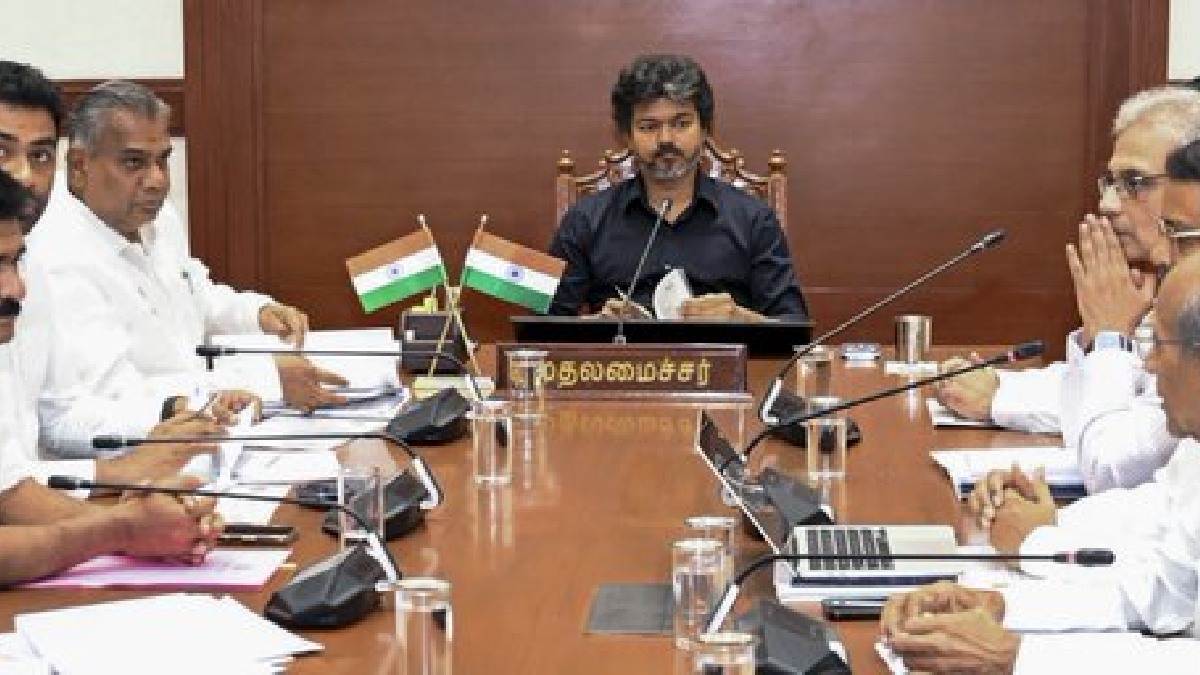
Although the proposal has been pitched as a way to reduce tensions and initiate dialogue between the two neighboring states, it has been strongly opposed by farmers’ organisations and political parties in Tamil Nadu.
The Cauvery is one of the longest-running interstate water disputes in India and Tamil Nadu and Karnataka depend on it for agriculture, drinking water and irrigation. The issue has been sorted out through legal battles, CWMA and the Supreme Court.
Chief Minister Vijay believes that a productive dialogue between the two state governments would solve recurring problems over water releases, especially when years of deficient rainfall occur. Bilateral discussions could complement existing legal and institutional mechanisms and will reduce political confrontation, he added.
But the suggestion is not popular with everyone. Farmers' groups throughout Tamil Nadu argue that the state should use the Supreme Court verdict and Cauvery Water Management Authority as the basis for political negotiations instead of holding fresh talks.
They fear that direct talks will weaken Tamil Nadu’s legally established water rights and delay implementation of court-mandated water releases.
Opposition parties have also questioned the proposal, saying that the dispute has already been resolved by judicial intervention and that reopening negotiations will create uncertainty. Political leaders have urged the state government to insist on strict compliance with existing legal orders instead of pursuing a new round of talks.
Farmers have expressed fears that bilateral talks could lead to compromises that would affect irrigation in the Cauvery delta region. Many farmers in Thanjavur, Tiruvarur, Nagapattinam, and Mayiladuthurai need water releases on time to plant paddy in the delta region or to take care of paddy fields as they now have to manage the paddy crop dependent on timely release of water.
If there is not enough water available to them, if it happens at all, agriculture and the lives of farmers will be affected.
They say dialogue is essential to cooperative federalism, but supporters of the Chief Minister’s proposal are also in favor of the conversation. Regular communication between neighboring states can help to resolve problems, build trust and reduce the tension during times of water shortage due to unpredictable monsoon rainfall, they say.
The Cauvery issue returns to the surface frequently during the southwest monsoon when Karnataka manages reservoir levels while Tamil Nadu wants to release water for cultivation. It is a very complex issue of both states in terms of rain, reservoir storage, and agricultural demand.
As reactions pour in, the proposal has revived the debate on whether political negotiations can complement the legal mechanisms in place or they could violate the rights of the Supreme Court. How Karnataka reacts to the invitation is not clear.
The Cauvery dispute is still an important political and agricultural issue and stakeholders are keen on any such change that could impact water management and interstate relations in southern India.