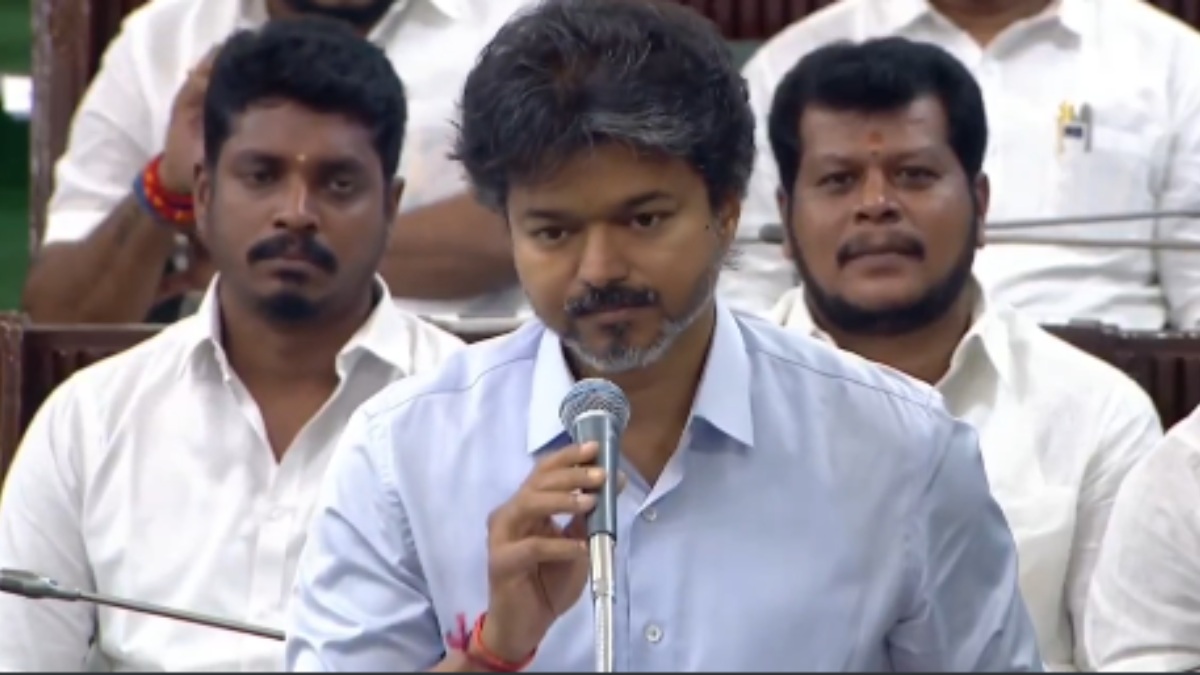
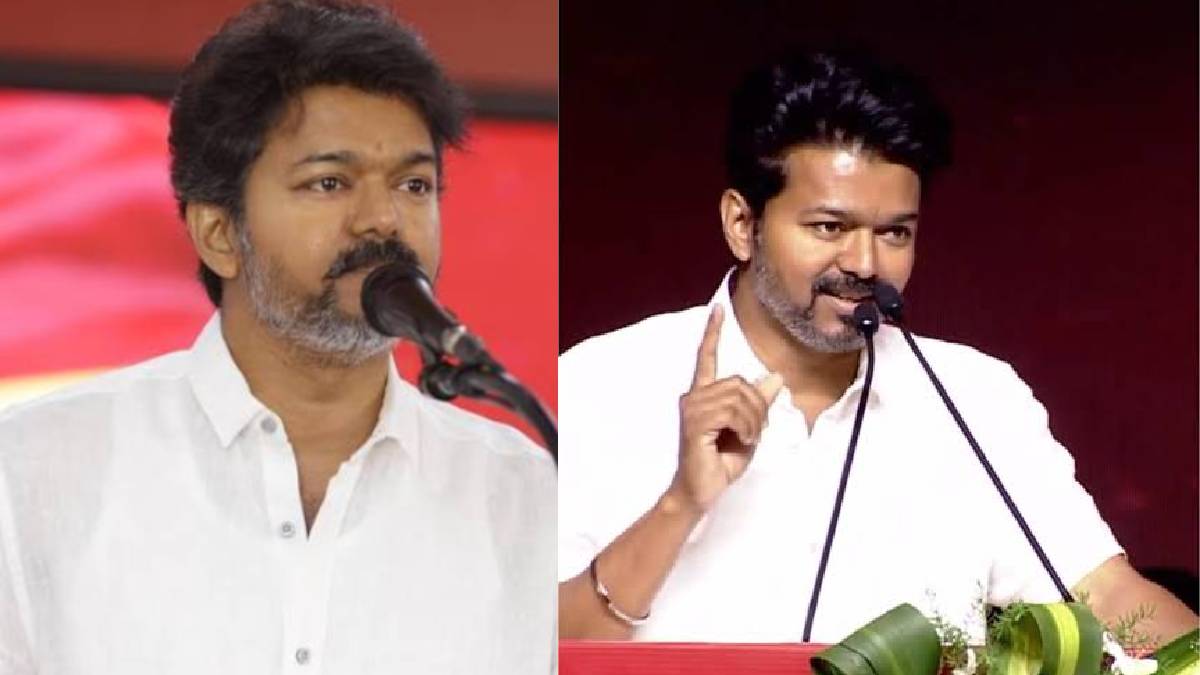
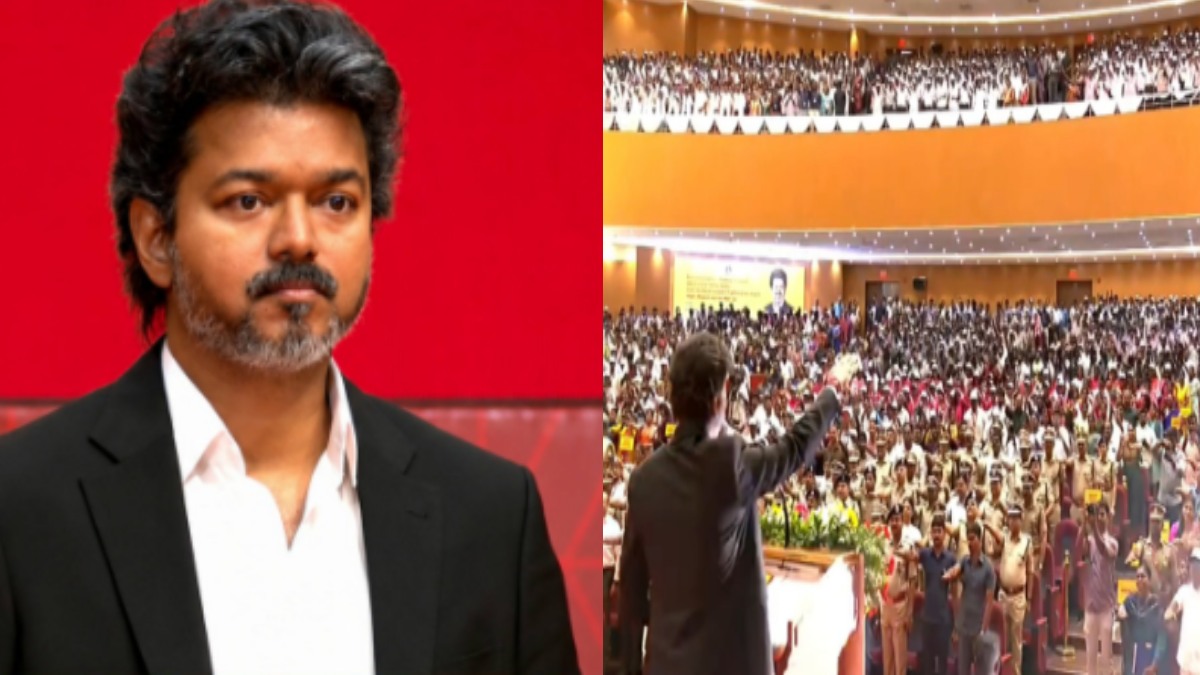
Tamil Nadu Chief Minister C. Joseph Vijay has moved a special resolution in the state Assembly in the wake of the national debate on delimitation and the state’s current representation in Lok Sabha to protect itself.
The resolution wants the Lok Sabha to be made up of 543 seats, and Tamil Nadu wants to protect itself from losing its share of parliamentary representation in the process. It comes as many southern states are concerned that population-based delimitation of the state will change the politics in both states.
The issue has become politically significant because delimitation involves redistributing parliamentary constituencies and the redistribution of Lok Sabha seats amongst states. Tamil Nadu currently has 39 Lok Sabha seats. Those in favor of the proposed changes say states that have successfully controlled population growth may lose relative representation if seats are mainly redistributed according to population. Those in favour of delimitation say parliamentary representation must be based on demographic realities and that the size of Lok Sabha can address concerns about fair representation.
Vijay's resolution comes just days after Tamil Nadu legislators who attended a meeting led by the chief minister voiced their opposition to the proposed delimitation bill. On August 8, 21 of the state's 57 MPs attended the meeting and rejected the proposed Bill while DMK and AIADMK did not. The meeting was also a sign of growing Tamil Nadu’s concern about the prospect of a future redistribution of parliamentary seats and the possible impact of such a move.
The controversy is rooted in the constitution of India and the delimitation laws. Under the existing system, states’ Lok Sabha seats have not been readjusted until the first Census after 2026 is published. The Law Ministry stated that the constitution requires delimitation by a Delimitation Commission.
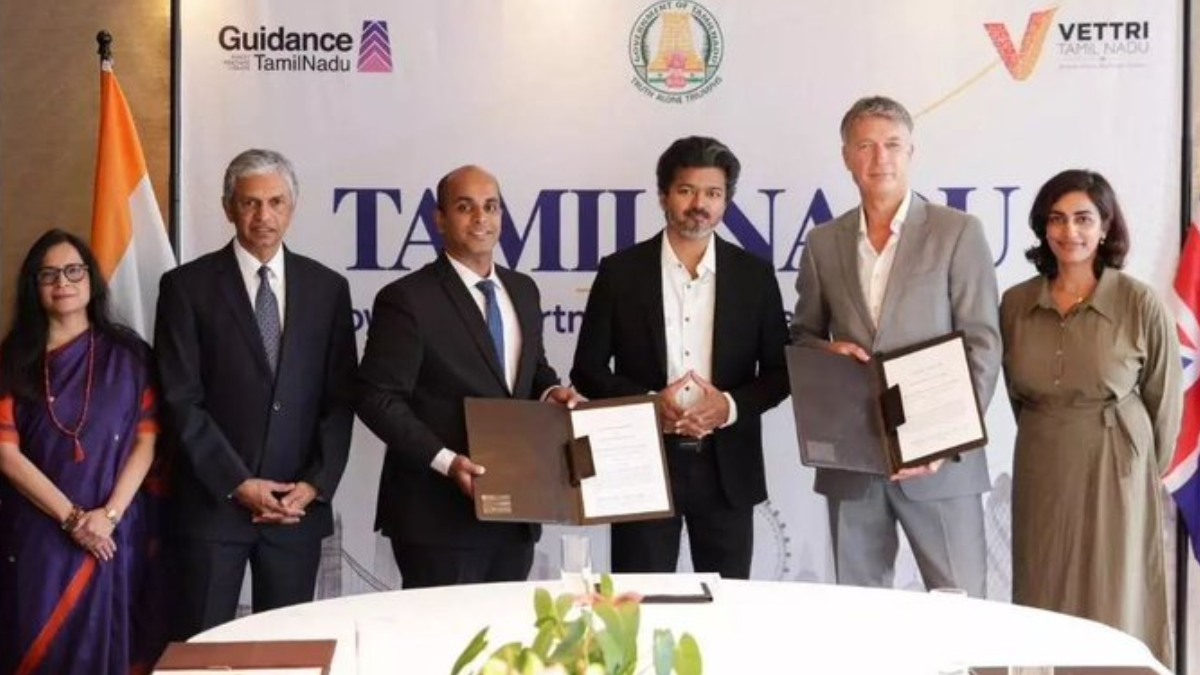
The proposed constitutional amendment which we have already discussed in Parliament would considerably increase the strength of Lok Sabha. According to PRS Legislative Research analysis, the Constitution (131st Amendment) Bill, 2026 proposes to increase the constitutional maximum from 550 to 850 seats. If the total number of Lok Sabha seats were kept at the current level, Tamil Nadu’s representation could fall from 39 seats to 32 under a population-based redistribution.
But the Centre has made an entirely different argument. During parliamentary discussions on the Delimitation Bill, Union Home Minister Amit Shah said southern states would not be disadvantaged and argued that their overall number of Lok Sabha seats would increase if the House were expanded. Government figures presented in Parliament indicated that Tamil Nadu could rise from 39 seats to 59 under a proposed expansion to around 816 seats, while its overall percentage share would remain broadly stable.
This difference of approach is at the heart of the present political debate. Tamil Nadu wants to protect its current influence and not just increase the absolute number of seats. The state government and other critics are worried about the relative share of parliamentary representation and the possibility that population-based redistribution might change the political weight of southern states.
The issue is also connected to the larger debate over population policy. Southern states like Tamil Nadu, Kerala and Karnataka have historically experienced lower population growth compared to several northern and central ones. Critics of population-based redistribution argue that states should not be politically penalised for successfully implementing family-planning and population-control measures over several decades.
For Tamil Nadu, the debate goes beyond the number of MPs. Political leaders have linked parliamentary representation with the state's influence in national policymaking, federal relations and the allocation of resources. Any major change in the distribution of Lok Sabha seats could therefore have implications beyond elections and constituency boundaries.
Vijay’s new resolution is going to add more political pressure to the national debate. Tamil Nadu has previously stood up against delimitation proposals that it fears would reduce its relative representation. The chief minister has said the state will oppose any move that could dilute its voice in Parliament.
The resolution also puts the issue before the state Assembly, which gives lawmakers a chance to express Tamil Nadu’s concerns. The demand to maintain the current Lok Sabha strength of 543 is so as to avoid any reduction in the existing representation of the state in view of the national discussion going on.
At the national level, the delimitation debate remains unresolved. The Centre has said that the new model will make representation for some states more acceptable and more equitable and ensure that southern states still share relatively equal parts of the enlarged House. But critics argue that an expanded Lok Sabha will not solve the issue of states' relative political influence in India.
The debate is important to voters, as delimitation can affect the number of constituencies and the boundaries in which voters elect their representatives. And any future exercise would ultimately be carried out through a constitutionally established process instead of simply through a state government resolution.
Tamil Nadu's current move is yet another significant development in a debate that is likely to remain politically important in the future. Vijay’s resolution aims to retain the state’s current Lok Sabha strength as much as possible while the Centre insists that an expanded Lok Sabha could bring in more representation without disadvantaging the southern states.
When we come back to the issue of delimitation though, the key question will be how India should balance population-based representation with concerns raised by states that want to stabilise the population. Tamil Nadu's demand to keep the Lok Sabha's strength unchanged adds another dimension to that constitutional and political discussion. The parliamentary debates and any further legislative action will determine how the issue will develop in the long run.