Tata Power Renewable Energy Limited (TPREL) has commissioned a 190.5MW solar project at Kalasar in Bikaner, Rajasthan, in another step in the company's renewable energy expansion.
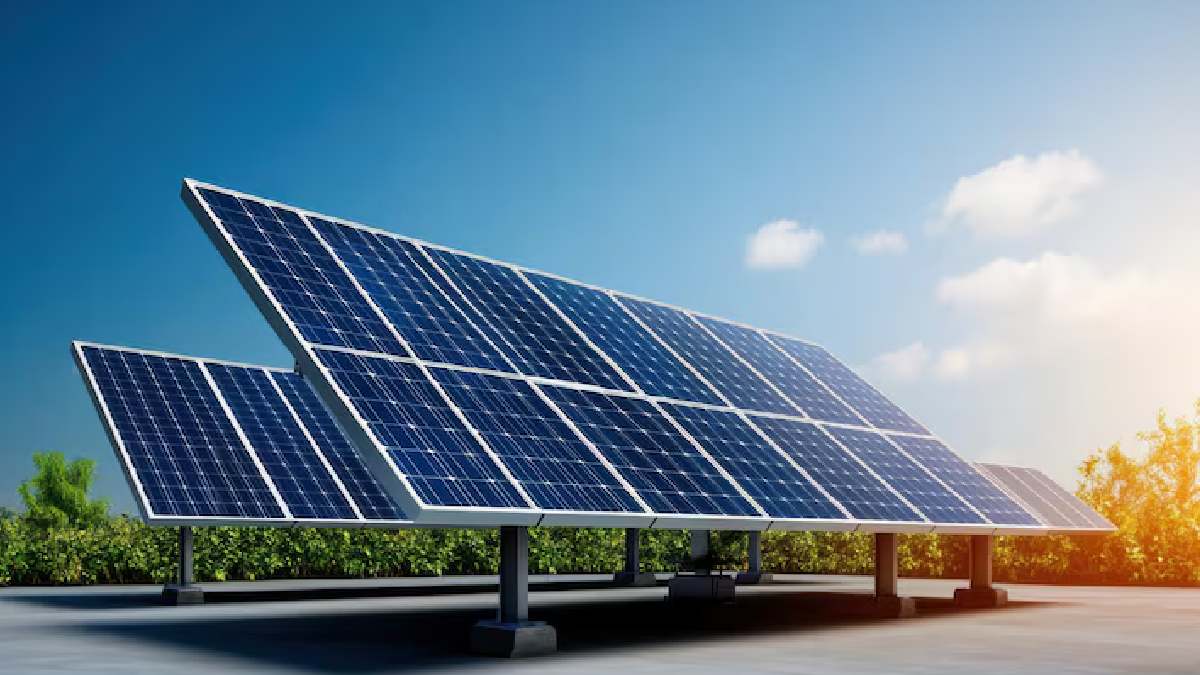
The project is part of a larger 460-MW Firm and Dispatchable Renewable Energy (FDRE) development under SJVN’s FDRE Tranche-1.
The commissioning highlights the growing importance of large-scale solar generation combined with energy-storage technology in India’s clean-energy transition.
Unlike traditional renewable projects that are predicated on weather conditions, FDRE projects are built to provide more reliable and dispatchable electricity by marrying renewable generation with storage and grid-support systems.
Solar Power Combined With Battery Storage
A key feature of the Rajasthan project is the integration with its advanced 115-MWh Battery Energy Storage System (BESS); the storage system is to support grid stability and provide renewable electricity more reliably when solar generation varies.
The project will supply power to a number of distribution companies such as HPPC, Maharashtra State Electricity Distribution Company Limited (MSEDCL) and Noida Power Company Limited (NPCL).
That means electricity generated in Rajasthan will contribute to clean-energy requirements outside of the state.
Boost To Tata Power’s Renewable Portfolio
The commissioning further enhances Tata Power Renewable Energy's position in India’s rapidly expanding renewable energy industry.
With the commissioning of the project, TPREL’s total renewable utility capacity is approximately 12.4 GW, with 6.9 GW operational and the remaining capacity being developed at different stages.
Rajasthan is still an important site for large renewable energy projects because of its huge solar potential and its large amount of land suitable for utility-scale installation.
Projects like the Kalasar facility can contribute more clean electricity to India’s total power mix.
Supporting India’s Clean-Energy Goals
The project also demonstrates the increasing importance of integrating solar power generation with energy storage.
As India develops more renewable capacity, technologies such as BESS can help to mitigate fluctuations in solar power generation and improve the reliability of renewable power sent to the grid.
The commissioning is the latest in a series of major renewable-energy projects in Rajasthan for Tata Power. The company has already commissioned a number of large solar projects in the state, from NHPC to SJVN.
With renewable energy becoming a key part of India’s long-term power policy, the Kalasar project is another step in the development of reliable clean-power infrastructure.
Big solar generation with battery storage will also serve as a model for future FDRE projects across the country.