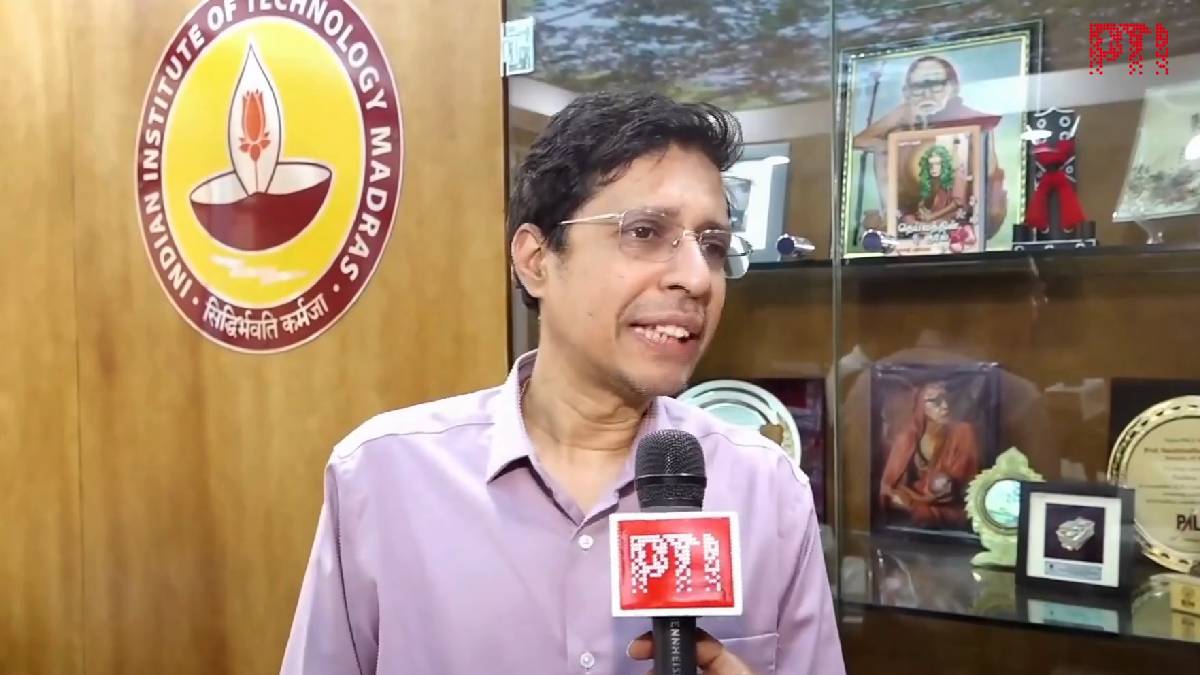
When the MIT-affiliated lecturer started engaging in a public study using ChatGPT to address the Riemann Hypothesis, the outcome was a masterclass on the “seduction of fluency.” After a long speech of words, the professor decided that the AI was still not fully “understanding” the question. This for some was evidence of AI’s fallibility. To some, it exposed a much deeper truth about how humans learn in generative intelligence’s age.
The Seduction of Fluency
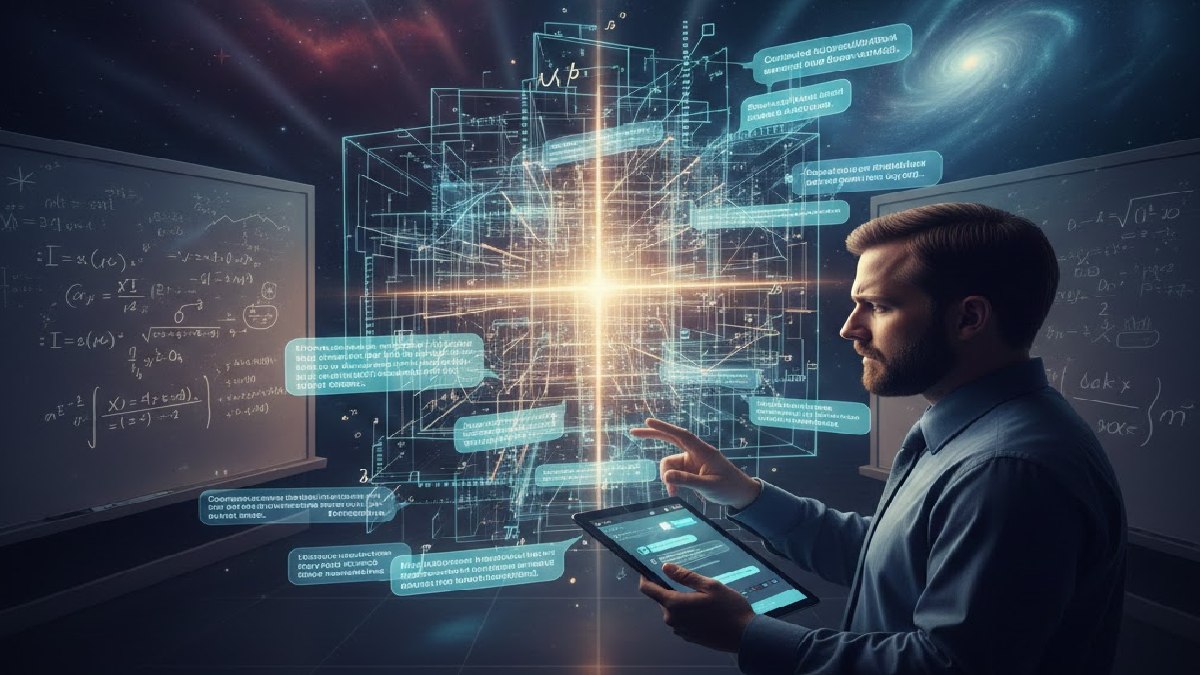
Large Language Models (LLMs) are the kings of coherence. They can translate jargon, build beautiful metaphors and distill complex literature but in a patient and persuasive way. This is a “sensation of knowledge.” The Riemann Hypothesis, though, is not a riddle that can be solved by phrasing it better. It is a fortress of technical machinery. All failed proof in history will be crushed under monumental technical forces. An answer that speaks fluently can take you to the foot of the mountain; it cannot climb up it for you.
The Illusion of the “Click.”
Such a thing is not exclusive to AI. We see it in:
- Popular Science: People finish a short article about relativity thinking they “get it” just to say they can’t do a single calculation.
- Inspiring Lectures: Students leave a brilliant talk believing that they’ve mastered the subject matter that actually requires a lifetime of study.
AI simply scales this effect
This makes it infinitely more persuasive because the explanation is interactive and personalized. We no longer read an essay, we engage in a conversation that acknowledges our own nascent understanding.
The Barrier to Mastery vs. The Barrier to Information
As long as the AI cannot achieve mastery, critics say, the exchange is worthless. But that is a binary trap. A user goes from zero knowledge to understanding how the zeta function relates to primes or knowledge of what the critical line signifies is inarguably less ignorant. Partial understanding is understanding and understanding is still understanding. The threat is not the information itself it’s the lack of calibration. A simplification that sweeps away a fundamental mathematical condition, without which a non-expert can often fail to see the gap. ’s “confidence minus calibration” can be downright dangerous in serious areas such as medicine or policy.
A New Way to Think About AI
It’s better to look at AI not as a “replacement for the expert” but as, instead:
- A Translator: Connecting levels of human expertise.
- A Tireless Tutor: A safe, infinite place to ask “beginner” questions.
- A Guide: An orientation without certifying the traveler.
The Bottom Line
AI hasn’t eliminated the barrier to mastery still, there are years of “grinding” through the basics. And what it’s done is dramatically reduce the barrier to feeling informed. Whether this is a pathway to deeper work or a permission slip to just stop thinking depends entirely on the user. Fluency is the road to understanding, but we must never forget the door is not the destination.