A new flower-tying machine came about that caused wonder as everyone in the community wondered if it even works. Its ultimate goal is clear to automate the bundling of flowers yet the eccentric response online compares the device to something so quirky as a device designed to “untie peas.” But beyond the jokes, the innovation addresses a larger concern: the encroachment of technology and artificial intelligence in traditional practices, prompting concerns about its effects on people’s livelihoods.
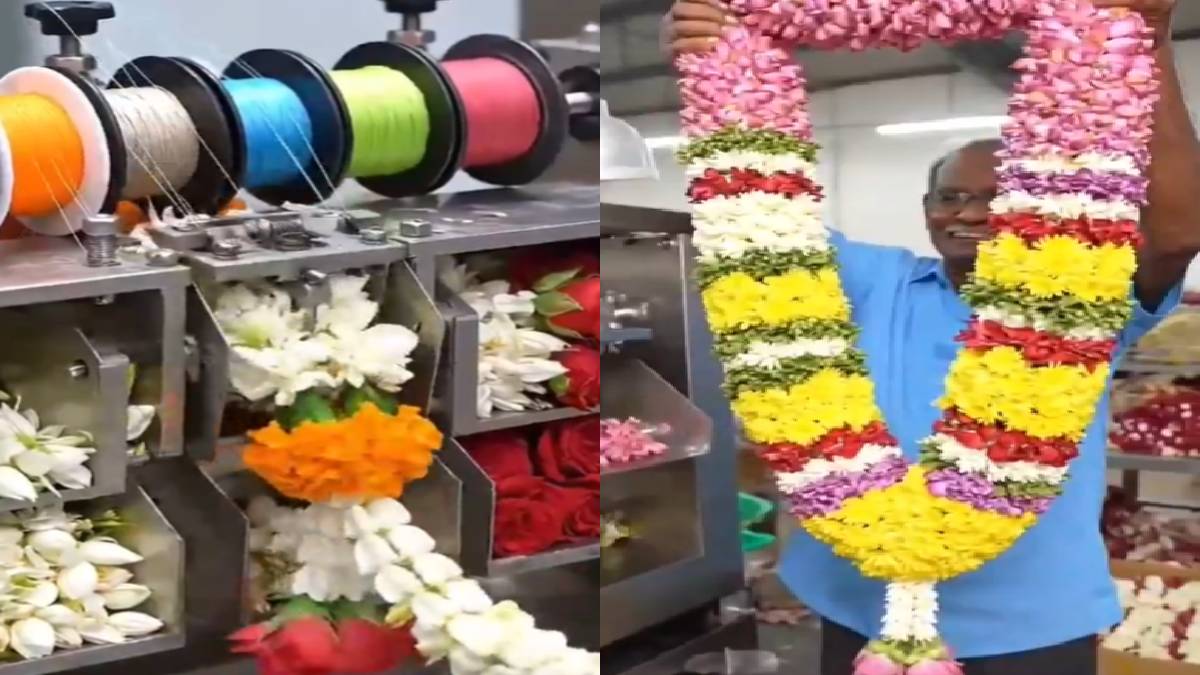
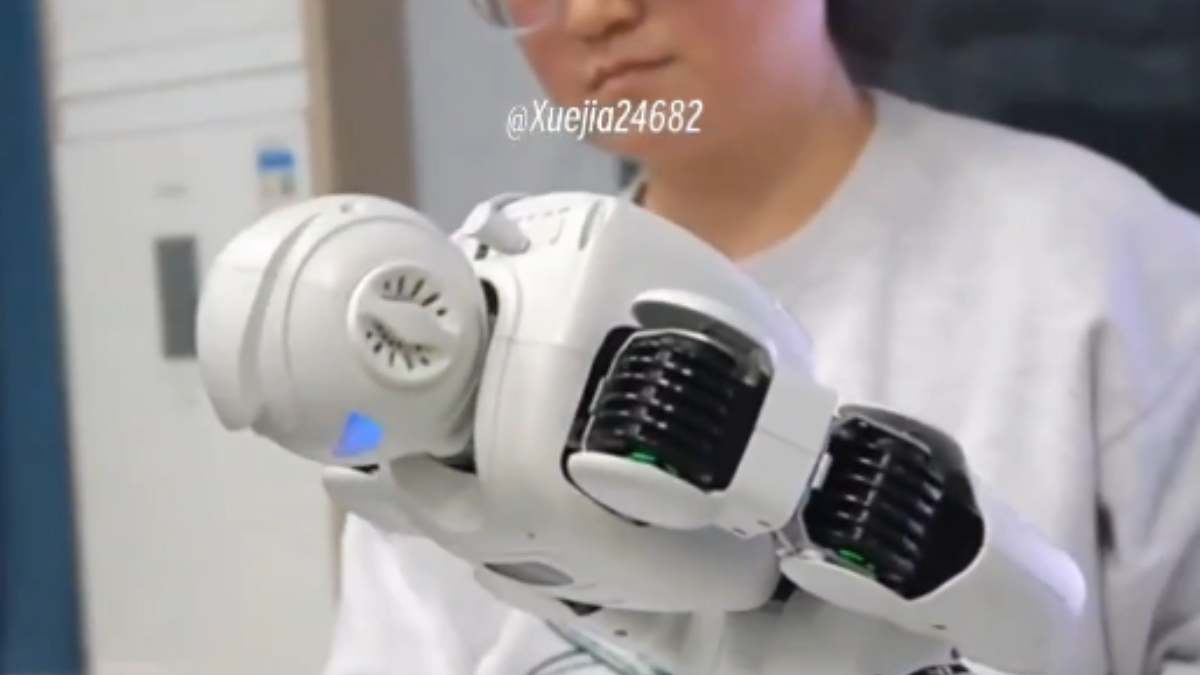
The flower-tying machine is designed for bundling flowers (in particular roses) quickly and accurately. Historically, this type of work was done manually, and required a good deal of patience and skill. Businesses can save time, lower costs, and get consistent packaging by automating the process. For large flower markets, weddings, and exports, the efficiency is particularly appealing.
A machine has arrived to tie flowers 😨🤦🏻♂️ It's not like it's here to untie peas pic.twitter.com/xDV3kDpJce
— महावीर, ಮಹಾವೀರ, Mahaveer (@Mahaveer_VJ) February 6, 2026
Social media users are seeing a mix of humor and concern. Some say the invention is funny; others fret about deeper consequences. The comparison, “untie peas,” shows the sheer disbelief that even delicate, traditional tasks like that are coming under automation. The reactions demonstrate that in their curiosity and terror about the extent to which technology can invade people’s everyday lives.

For those who live off of flower tying as income, the machine would be devastating. Many families are engaged in manual labor in the floral industry to earn a living. If machines take their place, labor will be lost and one may soon find oneself facing financial instability. Instead, in the end innovation should be supporting human effort, not eliminating it entirely. The worry is that, while businesses derive efficiency benefits, workers might be left behind without alternatives.
This invention asks a longer question: do AI and innovations replace humans in ways that steal their income? But when technology starts to supplant traditional tasks without creating new ones, it becomes harmful to people’s livelihoods. The progress is well connected to human well-being, and it needs to be carefully regulated or we end up with disaster.
Not only is the arrival of a flower-tying machine a quirk, it embodies an extent of automation revolutionizing even old industries. Efficiencies and precision undoubtedly bring benefits, but human cost cannot be neglected. Innovation should move forward but not to the detriment of the people who rely upon these jobs for their wages. The trick now is to make sure technology goes beyond filling the gap and supplementing rather than supplanting our human work.