Let’s be blunt: for years, a pill sat in millions of Indian medicine cabinets, prescribed for everything from a toothache to period cramps. It worked, and fast. Then, one day, the government said: stop. Nimesulide was banned. The announcement sparked confusion, even disbelief. But this wasn't bureaucratic overreach; it was a belated, necessary correction—a stark reminder that in medicine, popularity is no substitute for safety.
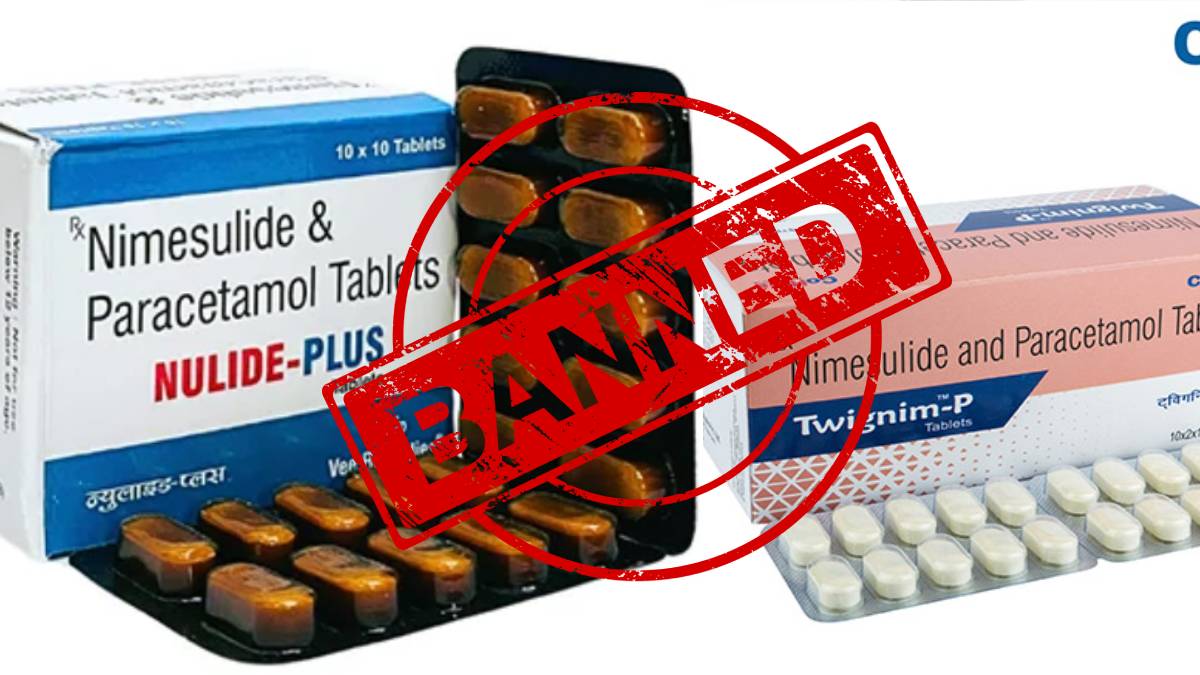
The core issue wasn't a mystery hidden in some vault. The evidence was building, publicly, for over a decade. Internationally, alarms had been sounding. The European Union, Ireland, Spain—they’d all slapped severe restrictions on nimesulide, limiting it to short bursts and banning it for people with liver issues. Their reason? A small but terrifying risk of severe, sometimes fatal, liver damage. The science pointed to a sinister, unpredictable reaction: for a handful of people, their bodies would treat the drug not as a cure, but as a poison, attacking their own liver without warning.
So why did it take us so long? That’s the uncomfortable question at the heart of this. In India, nimesulide became a pharmaceutical darling. Its rapid relief made it a go-to for doctors and patients alike. The market boomed. This commercial success, critics argue, created a powerful inertia. Warnings were downplayed as "rare," the benefit-risk calculus tilted by sheer habit. We fell into a dangerous trap: common use was mistaken for proven safety.
The ban, therefore, isn't just about a single molecule. It’s a test of our pharmacovigilance—our system for catching drug dangers after they hit the market. The fact that our own adverse reaction monitoring program finally gathered enough domestic cases to tip the scales is a positive sign. It shows the system can work. But the delay exposes a critical flaw: a tendency to wait for a body count on our own soil before heeding global red flags.
For the average person, the takeaway is simple yet crucial. That strip of nimesulide in your drawer? Dispose of it. Your chemist can no longer legally sell it. More importantly, this episode should shatter blind faith in any pill. Every drug is a balance. Paracetamol, ibuprofen—they have their own risks if misused. The real prescription from the nimesulide story is vigilance. Ask your doctor: "Why this medicine? Are there safer options?" Don't demand a "strong" pill; demand the right one.
The ban is the correct decision. It protects the vulnerable, the unsuspecting. But let's not treat it as a full stop. It must be a catalyst for a more alert, transparent, and proactive drug culture. One where we listen to the science, not just the marketing, and where patient safety isn't a reluctant afterthought, but the non-negotiable first principle. Our health depends on it.