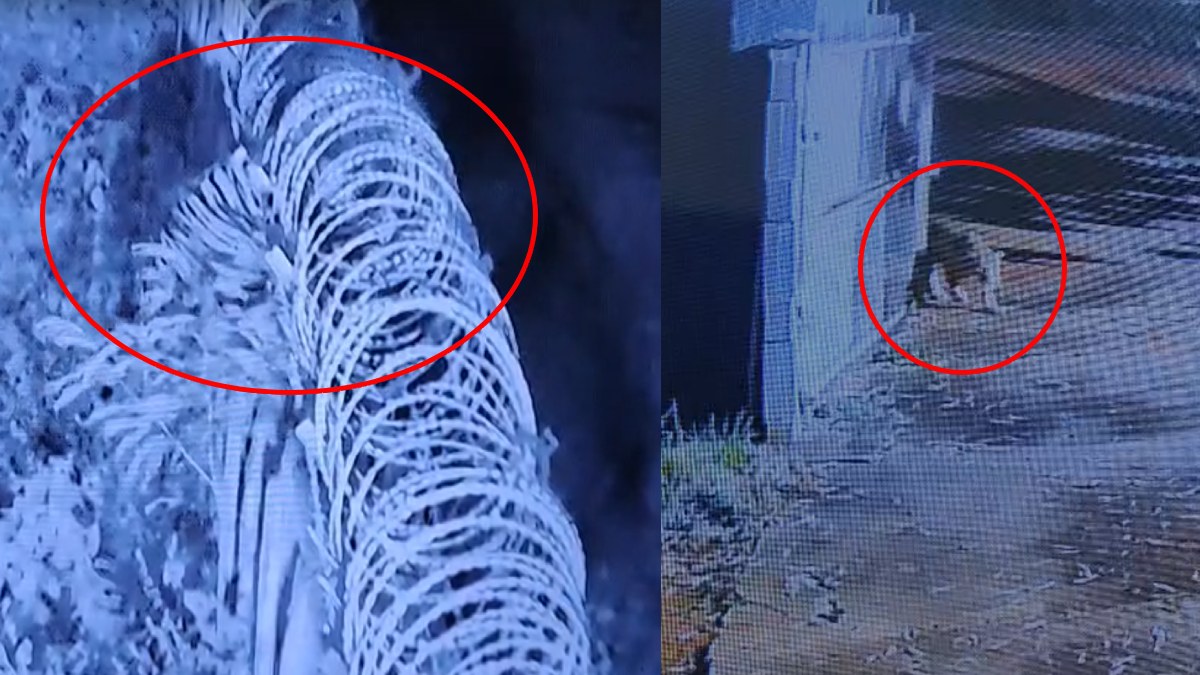
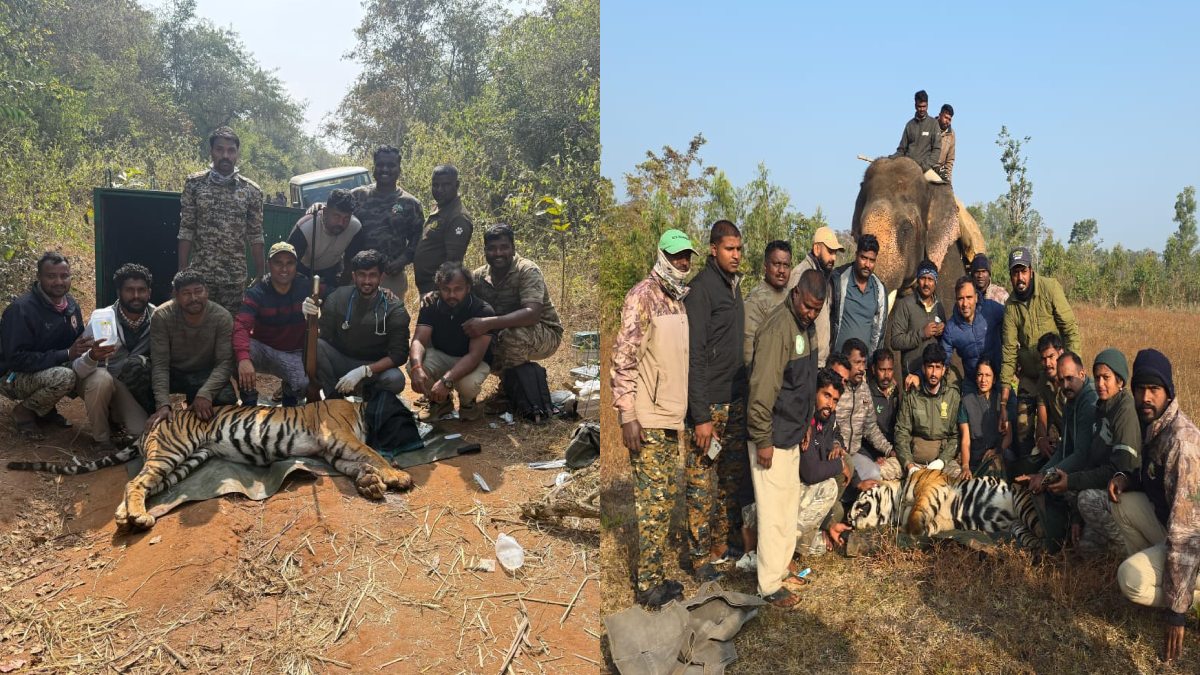
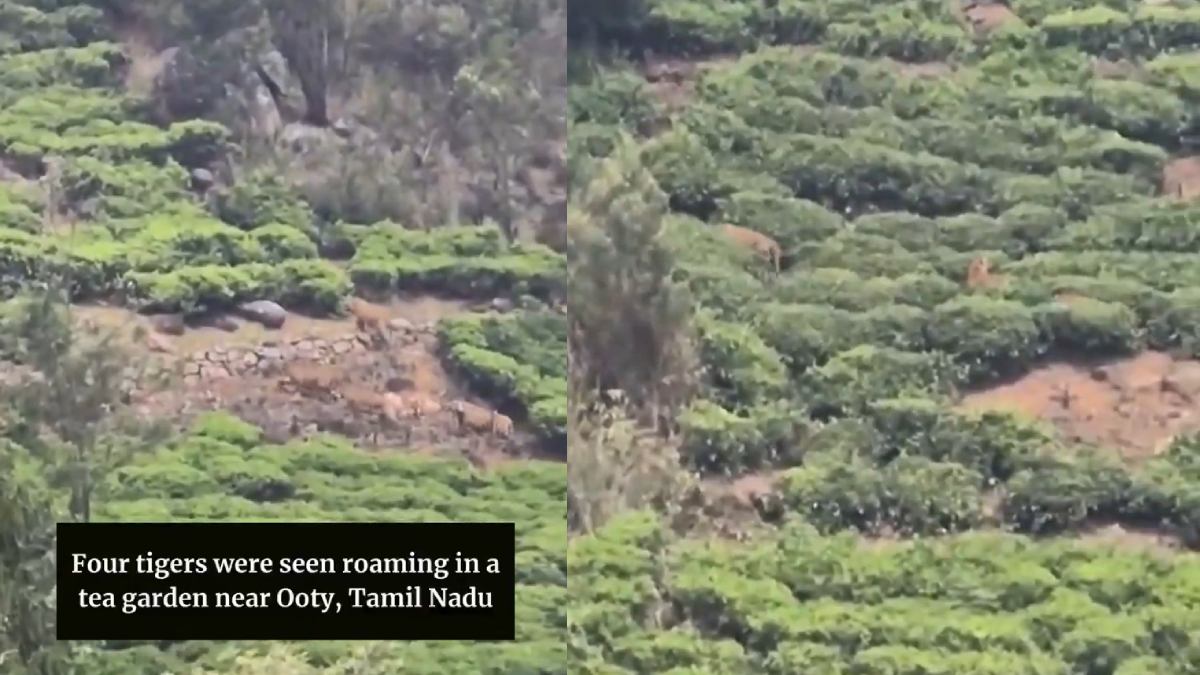
An unfortunate human–wildlife confrontation story has been reported out of Chandrapur in which four women were killed by a tiger while fetching tendu leaves in a forest.

The shocking incident illustrates the increasing danger to villagers and communities dependent on the forest for livelihoods, alongside wild tigers in Maharashtra, once again. According to reports, the women left the house to walk into the woods early in the morning, seeking tendu leaves, a seasonal forest product that is generally used to produce beedis and provides the bare essentials of a family.
According to reports, during collection activities, the group was attacked by a tiger. Four female participants died on site. The forest, local officials and village officials raced into the scene after learning of the attack. The bodies of the victims were subsequently discovered strewn throughout the woods.
But authorities have launched an investigation and stepped up their monitoring efforts in the area to track down the tiger that attacked. The incident has sent people into a panic in nearby villages, many of whom depend on forests as sources of income, in various parts of India, such as to collect tendu leaves, firewood and minor forest produce.
They are also going to call for measures to be tightened up in their safety protocols, and even greater forest patrols to be made in order to avoid another attack. Chandrapur district, located within minutes, is characterised by an abundance of forest cover and the huge population of tigers in the district, due to its proximity to Tadoba-Andhari Tiger Reserve, which is one of India’s tiger habitats.

Tiger movements are becoming more of an intertwined phenomenon with human settlements and forest activity corridors, and this has resulted in a series of incidents where humans and wildlife encounter in the district. Wildlife experts say visits like these typically spike in the tendu leaf collection season, during which tens of thousands of villagers visit forest areas for a couple of hours in the morning, a time of day when big numbers of wild animals, including tigers, move in and out of areas.
But forest department officials probably will go over the attack site carefully and dispatch camera traps and monitoring teams to nearby woodlands. Investigators should investigate to determine whether the tiger involved had an aggressive history or had fought previously with aggression.
The incident has reignited debate over whether native communities should be required to consider wildlife preservation or whether they should be left to fend for themselves. Tiger conservation projects in Maharashtra have been successful for many years, and the tiger species in several forest areas has been reported to be more than ever.
But experts are quick to point out that a larger population of tigers, without effective buffer management and habitat improvement, puts them in closer contact with wild animals at an even higher rate. Because forest produce collection provides seasonal income for poor families in the countryside, local villagers are often compelled to do very hard things.
Particularly, tendu leaf harvesting gives jobs and financial incentives to thousands of rural households of central India in the summertime. After the attack, the government will announce compensation for the victims’ families. In the neighbouring villages, forest officials are similarly asked to conduct safety training sessions on how to safely enter forest spaces.
Long-term solutions, conservationists argue, require a triptych of habitat protection, enhanced surveillance at the forest level, livelihood solutions for many members of the community who live largely outside of the forest and timely systems to notify citizens of tiger movements within parts of the human-dominated zones.
The deaths of the four women have shocked and devastated the community nearby. The case is another grim reminder of the brittle border between human habitation and wildlife land in much of India.