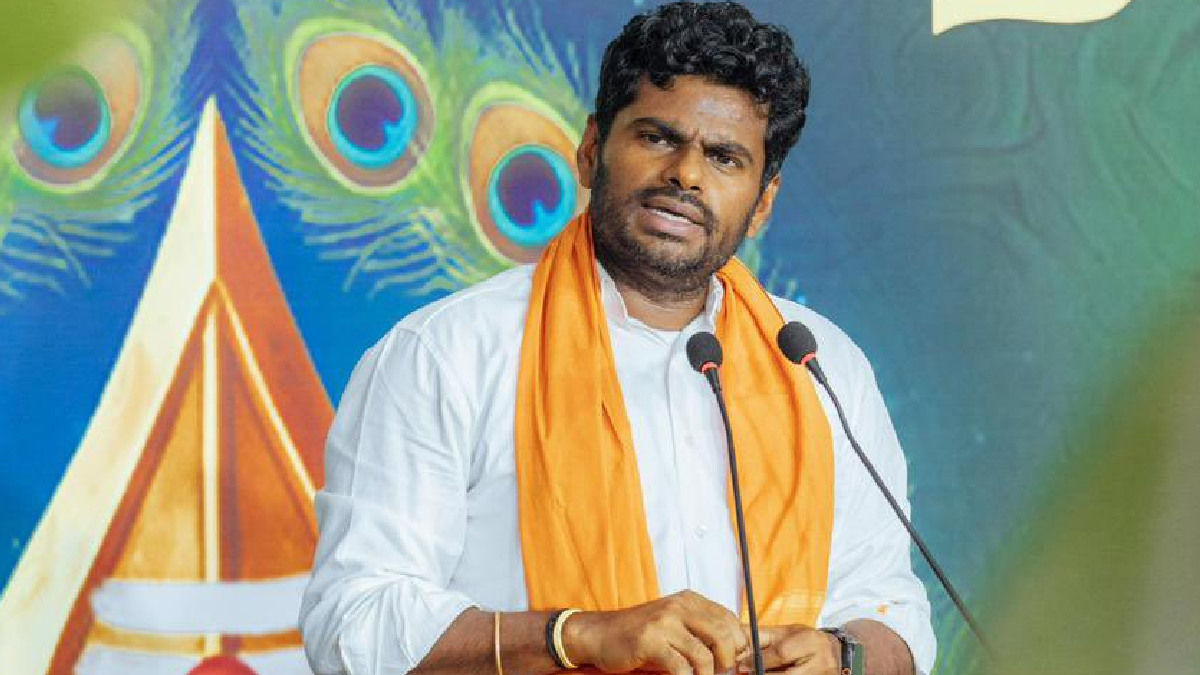
Controversy surrounding Yash-starrer Toxic has turned to a political one after the BJP leader K Annamalai attacked the Central Board of Film Certification (CBFC) on its concerns about violence and misogyny in the movie.
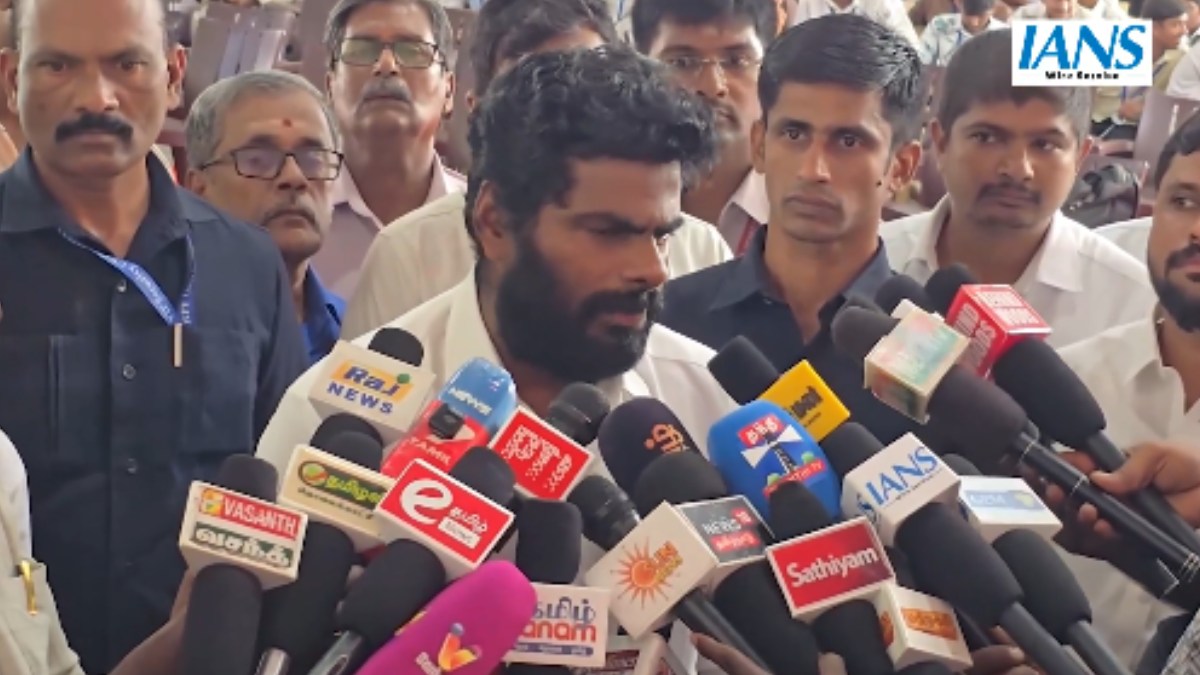
Annamalai's comments have added another layer to the debate on the certification and portrayal of sensitive topics in Indian cinema. He has called for stricter certification standards, arguing that the impact of violent and possibly objectionable content on audiences should be taken into account during the certification process.
Toxic, from Kannada actor Yash, has attracted huge attention from the film industry because it is large, has a huge cast and has a lot of expectations for its release. The actor has one of the most eagerly awaited projects so the film has been especially high profile. However, after the recent drama, violence, gender representation and other sensitive aspects have been taken into account before a movie is released.
Annamalai’s criticism is directed at the CBFC, which is the statutory body for certifying films for public viewing in India. Film certification is the process by which the content in public is made to comply with any laws and certification guidelines. Depending on the content of the film, the board can categorize it into categories and may recommend changes where necessary. Toxic has also revived discussions about certification of modern movies.
One of the biggest issues in the recent debate is violence. Action films have a lot of intense scenes - crime, conflict and revenge movies, to name a few. But there is a question about when some of these portrayals step over the line from dramatic storytelling to too much violence. Annamalai has brought that issue to light and the BJP leader has pleaded for more scrutiny of these types of images.
An additional component that gets criticized is misogyny. The representation of women in commercial cinema has been a subject of debate for many years, and the portrayal of women, particularly in the forms in which we tell stories, in movies is in doubt. Critics of problematic portrayals say popular films can influence social views and filmmakers and lovers of creative freedom in general argue that fictional storytelling should be evaluated in terms of the story.
The controversy therefore raises a bigger question in the Indian film industry: how should certification authorities balance creative freedom with concerns about potentially harmful or offensive content? Toxic is not the only issue that has come up and in films with heavy violence, sexual themes, abusive language or controversial social portrayals and has been raised many times as they have reached the certification stage.
In the eyes of audiences, classification of a film tells you if it is suitable for different age groups. Certification is very much a part of the relationship between filmmakers, regulators and viewers so the certification process is therefore very important. When critics believe the existing classifications don’t convey the content of a film well enough or some scenes are more critical, it is common to call for more stringent certification.
At the same time, the debate about censorship and certification is one of the principle values of artistic expression. Indian filmmakers have so many genres and often grapple with dark, complex and controversial subjects. Too much oversight of certification would leave us unable to be creative all the time, nor does too little attention to the protection of our audiences and responsible representation.
Yash's popularity is also a reason behind the huge attention the film is drawing. The actor has a big fan base outside of the Kannada film industry and expectations for projects are also very high for his films. Any controversy surrounding a major Yash film will definitely get up the level of conversation among moviegoers and social media users.
Annamalai’s request for tighter certification has therefore amplified the conversation around Toxic and the functioning of India’s film-certification system. And the debate will continue to be going on as audiences, political voices, filmmakers and industry observers debate where creative liberty and responsible content regulation should lie in the mix.
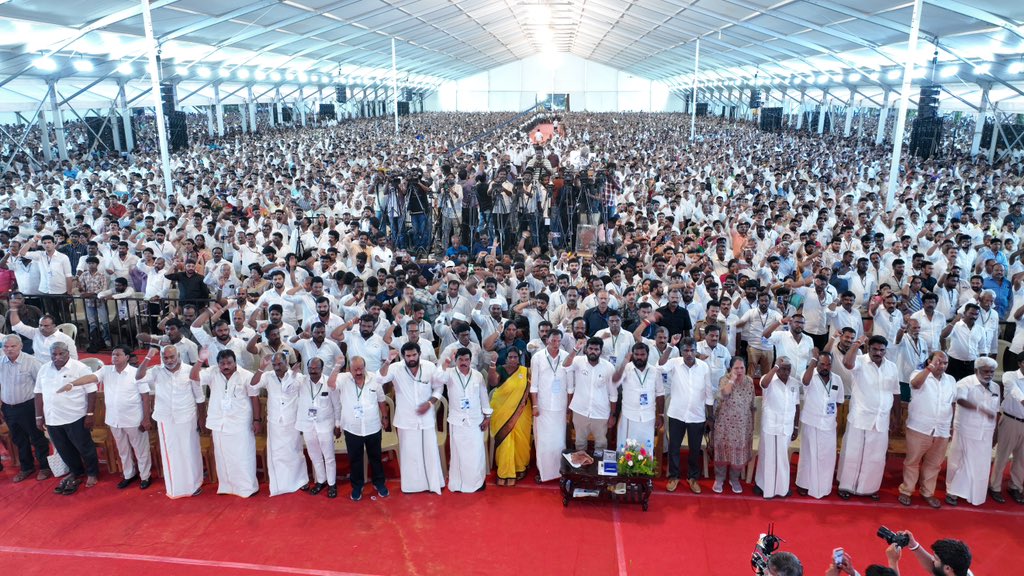
Coimbatore, Tamil Nadu: On Actor Yash’s movie Toxic, We the Leaders Foundation Chief Servant K. Annamalai says, "....Regulations should be tightened....The censorship board must make firm decisions regarding which scenes are permissible, even in films starring major actors...."… pic.twitter.com/bclu82PgzU
— IANS (@ians_india) August 27, 2026
Toxic itself is a movie that has been much of a polarizing story, but it is the fact that the cultural values on which it is based can be reflected in the film certification process in India and its consequences are also not appreciated. All the hype about Toxic in India has led to the certification authorities now having the task to follow well-established guidelines and remain respectful of artistic expression.