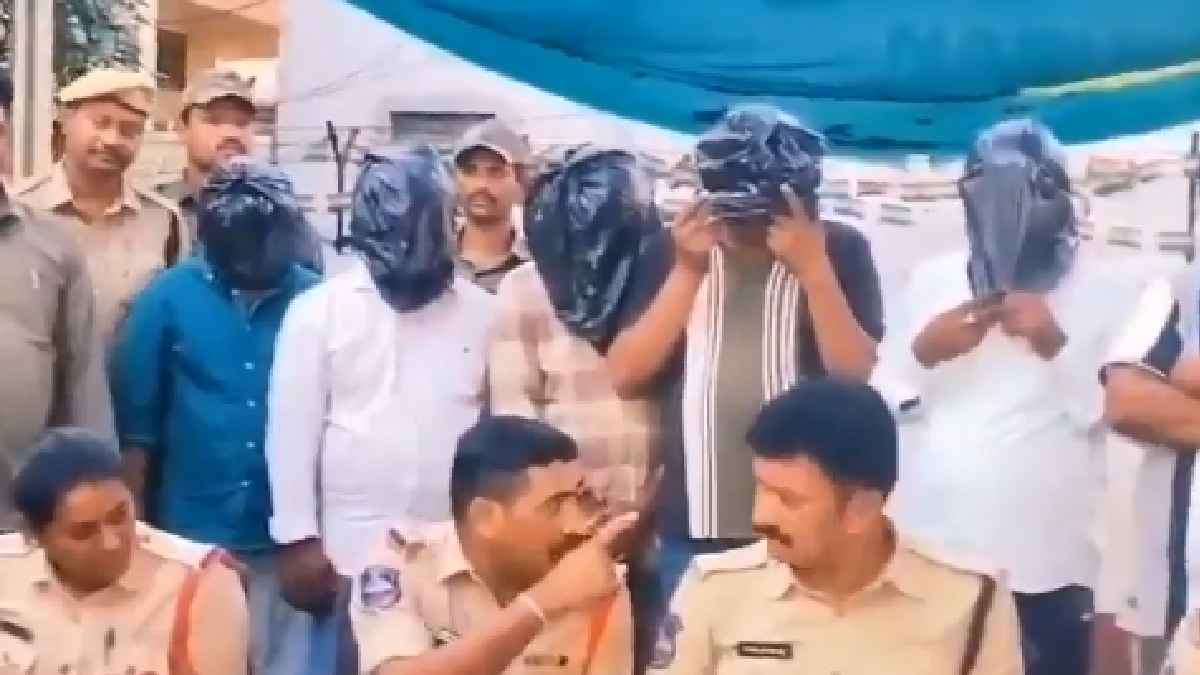
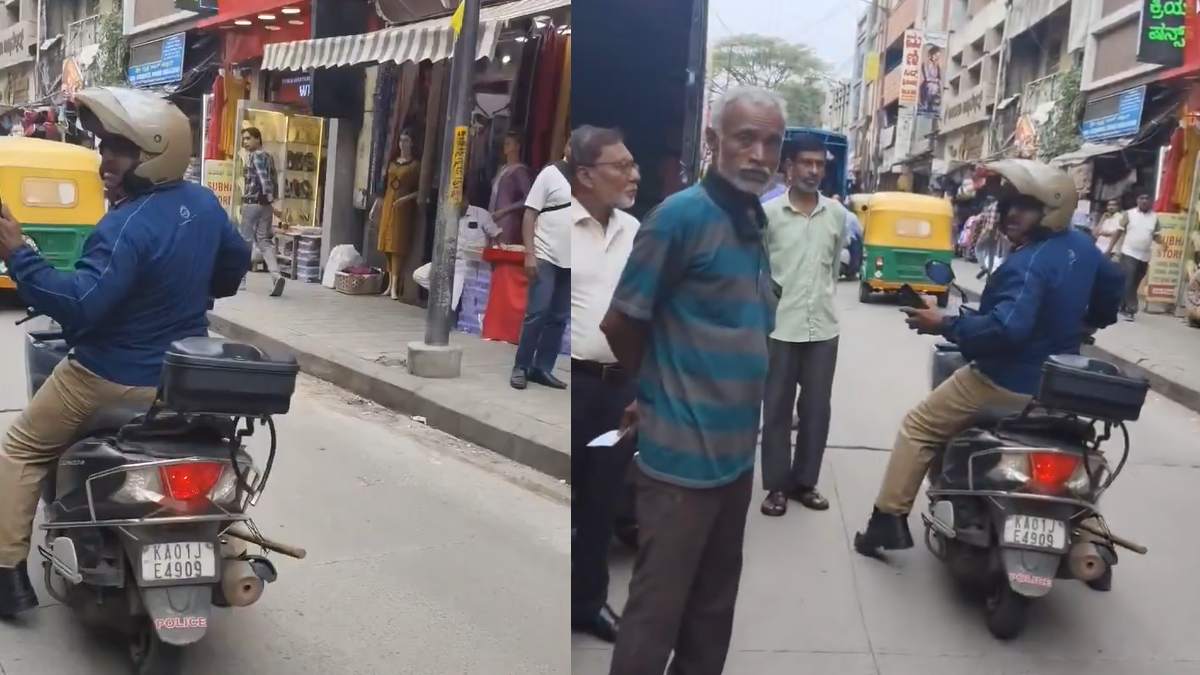
Following a splash of online public flames over what seemed to be a callous attitude from an officer at the roadside, a police officer has been heavily criticised. It was only last Thursday that the scandal flared further when reports broke that the officer's two-wheeler was carrying unpaid traffic fines reaching nearly ₹12,000.
That didn’t mean starting a social media response (and discussion) on police accountability, professionalism and how police authorities should abide by the laws that the wider public, including police officers, are expected to follow.
From a digital rumour, the officer nearly got into an argument with people who were in the community and seemed disrespectful and angry during the exchange.
Videos and comments about the incident spread quickly across society, with many users egged on, calling it a misapplication of authority and hubris in public spaces. After information was purportedly linked to the vehicle’s potential traffic violations, public outrage broke loose on the internet.
There are stated that there have been a variety of unpaid challans for the 2-wheeler against other traffic tickets, such as incorrect parking, a signal breach, riding without a helmet, a pillion rider not wearing a helmet and expired insurance, according to the reports.
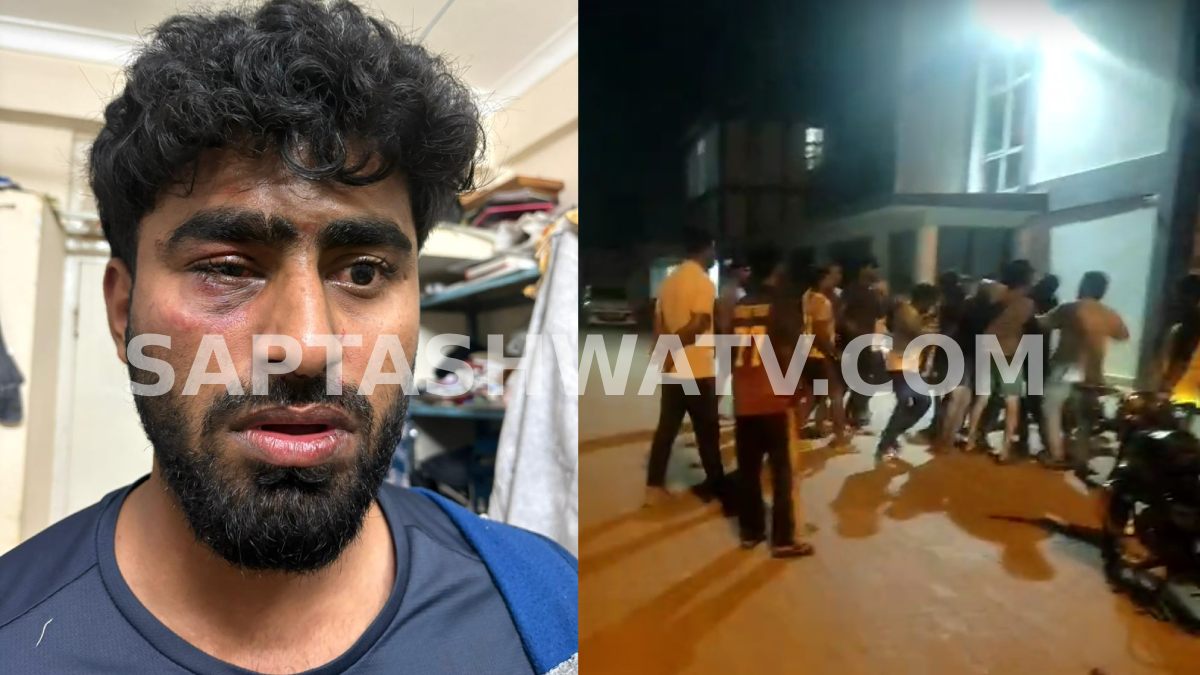
They were apparently scandalised by the number of offences reported, and even wondered how a law enforcer could be applying traffic standards to the working people. Some respondents on social media stated that these instances made them feel that they did nothing to further build public trust in the police department, and that the public would want to believe that police policies are different from the public, not everywhere and not for the government.
The comments group, members of which included some members, said members of the police service who are on the job should treat others with discipline and professionalism. Public officials faced criticism in public forums, and critics said public officials needed to set an example and not compound the swelling frustration over power being wielded abusively in the street and in public places.
Arrogance on Road? Cop Faces Backlash Over Behaviour, Traffic Violations Surface While Riding Vehicle With ₹12,000 Pending Fines
— Karnataka Portfolio (@karnatakaportf) May 23, 2026
This foolish policeman has no basic understanding of how to behave politely and respectfully with the public on public roads and in public spaces. A… pic.twitter.com/NRrBeLPEAp
The affair has also sparked broader conversations about whose shoulders are lowered for members of law enforcement agencies’ misconduct. In an online debate, they said the traffic laws are equally binding on all, irrespective of social background or social standing, status or power in society.
The offences for non-helmet use, jumping a traffic signal and driving an uninsured vehicle are serious crimes, road activists said, not only because they put the rider at risk, but also the passengers, pedestrians and other drivers who also travel on the roads.
The specialists often claim that public trust in the enforcement of car traffic rules is, experts tell me, based so much on how much of the public’s trust in them is based on how willing everyone is to be just as careful as the public thinks it is. They find that when such rule-violations of police force officers become public, about road safety campaigns and law enforcement, the laws have been broken. If they do discover violations, they’re an easy way to make a point about the truth in police investigations.
And now, on social media, a lot of people are demanding departmental investigation and disciplinary action if those allegations become embroiled. At least two other critics of the same people have also called for closer scrutiny of official conduct and frequent tracking of pending fines for vehicles used by government employees.
The controversy reflects the growing role social media plays in holding public officials accountable. We find abuse of power, lawbreaking, and police violence on the streets due to recently elected police officers, and the pressure from both parties on the media/public has surged on the internet.
But some users, at the same time, made clear that not every conclusion needs to be made solely on viral clips or unverified comments on social media. They were saying at a post-race event that they feel that people need to sit down with the authority and go through all the facts and not take any final action, that way, once they get to the conclusion.
The police in all Indian provinces have been stressing the significance of community policing and good relationships between the law enforcers and the general public to earn popular confidence. Cases like this usually derail such measures, however, and provide fodder for ridicule and outrage as well as complaints from a position of behaviour and accountability.
It had once again emphasised the same simple, stirring expectation of the people that the people who make the law should obey it, no matter how hard they try. The rules of accountability, discipline and behaviour must be kept if order is to be assured by the public on our streets and public confidence in law enforcement is to be maintained.