The 2026 Tamil Nadu Assembly sessions have already presented a lot of political drama with the high-energy political drama in the Legislature, but the heated disputes between the leaders of Tamilaga Vettri Kazhagam (TVK) have added a very combative flavour to it. TVK representatives, with the party’s good performance in the elections and joining government and the party in power in the House and social media, have been a talking point in the House and in social media.
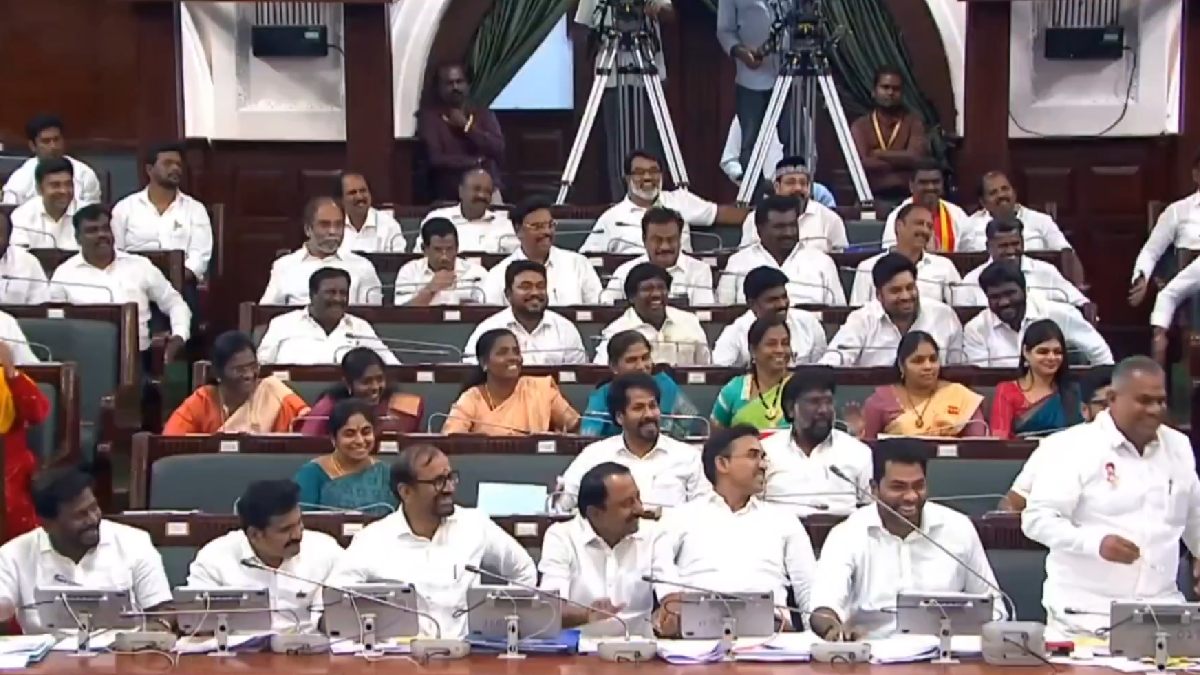
Among the names getting a lot of attention are Villivakkam MLA Aadhav Arjuna and N. Anand whose interventions and exchanges during Assembly debates have been widely viewed and discussed by TVK supporters. Clips and snippets of the proceedings have been posted online and some of the responses are described as a “thug reply” and “ragebait” moment to incite the opposition.
TVK’s increasing Assembly presence is associated with the party’s rapid political rise. The party, led by actor-turned-politician Vijay, has a big stake in the political landscape in 2026 and has established the government under Chief Minister C. Joseph Vijay as the party with government in place. The transformation from a relatively new political force to the party leading the state has naturally placed its legislators under the microscope.
In the Assembly that scrutiny has translated into higher interest whenever TVK members take on their political opponents. And supporters have been particularly interested in the moments when a brief comment, a pointed response or even a single word trigger appears to be unsettling members on the other side. And such exchanges are clipped, captioned and widely shared on social media, often making memes as soon as possible.
🤣🤣🤣🤣🔥🔥🔥🔥 pic.twitter.com/79SyCYUYAt
— Prashanth Rangaswamy (@itisprashanth) September 3, 2026
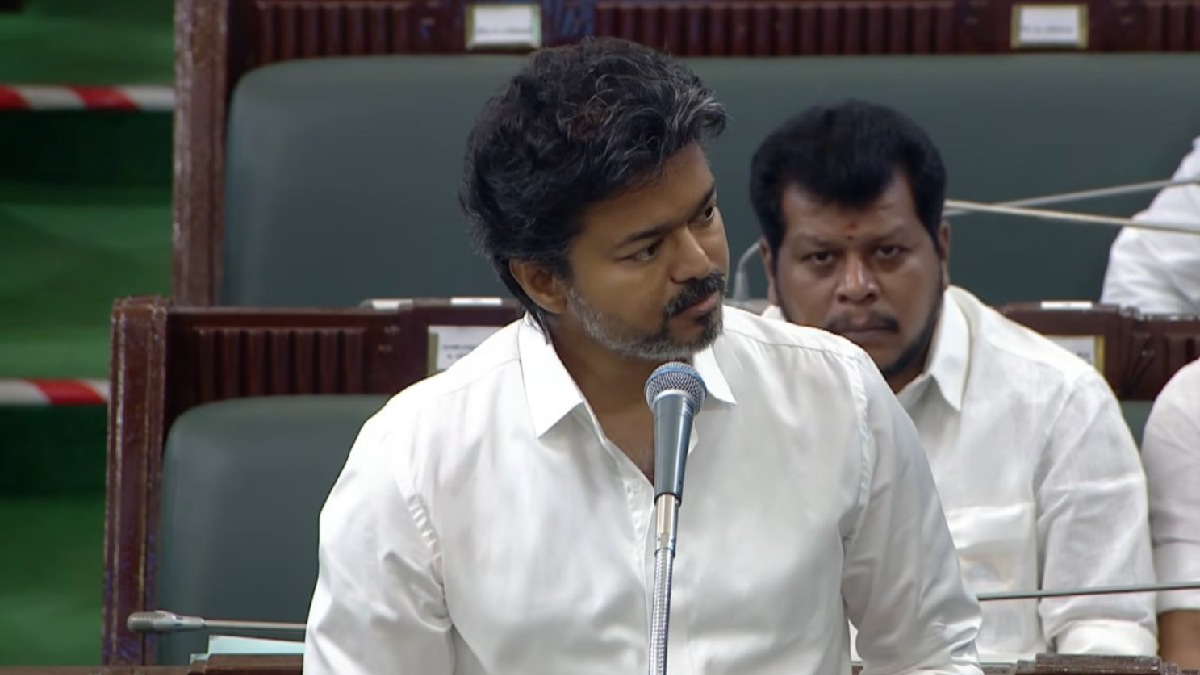
Aadhav Arjuna is one of the TVK figures who are getting attention in the Assembly more and more. His style in debates has been described by his supporters as direct and confident, particularly in response to criticism or challenges from opposition members. But short discourse and short speeches have become popular online, as viewers take it as signs of political confidence.
N. Anand has also been in discussion in the parliament about TVK’s approach. As the party takes power, the legislators are expected to be asked about governance, policy decisions and promises made on election campaign day. Their responses will therefore continue to determine the communication of the new administration’s position.
The viral nature of these Assembly exchanges also reflects the shift in politics and social media. The parliamentary and assembly debates are no longer limited to television or official records. A few seconds of a debate can be cut out of a longer session and circulated independently and supporters and critics give their own interpretation of the exchange.
😂😂😂🔥🔥 pic.twitter.com/kD0kpjEtLp
— RamKumarr (@ramk8060) September 3, 2026
For TVK supporters, the viral clips are a powerful new political voice in Tamil Nadu. The enthusiastic reactions on the internet, even predicting even more heated clashes in upcoming sessions, and the party’s legislators have already developed a strong digital following online shows that the party’s legislators are already a well-established digital one.
At the same time, viral political exchanges can become controversial when individual remarks are removed from their wider context. What supporters view as a clever comeback may be perceived differently by political opponents. As the Assembly sessions continue, TVK legislators will be trying to integrate the punchy political exchanges that energise their supporters with substantive debate on governance and legislation.
Bussy sir on fire 💥💥💥💥 pic.twitter.com/DnWnSXgknF
— Actor Vijay Universe (@ActorVijayUniv) September 3, 2026
The attention of these early sessions suggests that TVK’s presence in the Tamil Nadu Assembly is unlikely to be a quiet one. With a new ruling party, a vigorous group of legislators, and an increasingly active online audience, every big exchange could become political content far beyond the walls of the Assembly.
The “thug reply” and “ragebait” labels are still part of the social-media conversation about TVK leaders. Whether these viral moments translate into a lasting political communication strategy, however, will depend on how the party handles the more demanding business of governing Tamil Nadu over the course of its term.