The Pimpri-Chinchwad Police Department has been rocked by news that two women police employees working at the same police station have decided to marry each other. The unusual wedding plan has been the subject of conversation after the two employees are believed to have submitted leave applications to senior officers for their wedding.
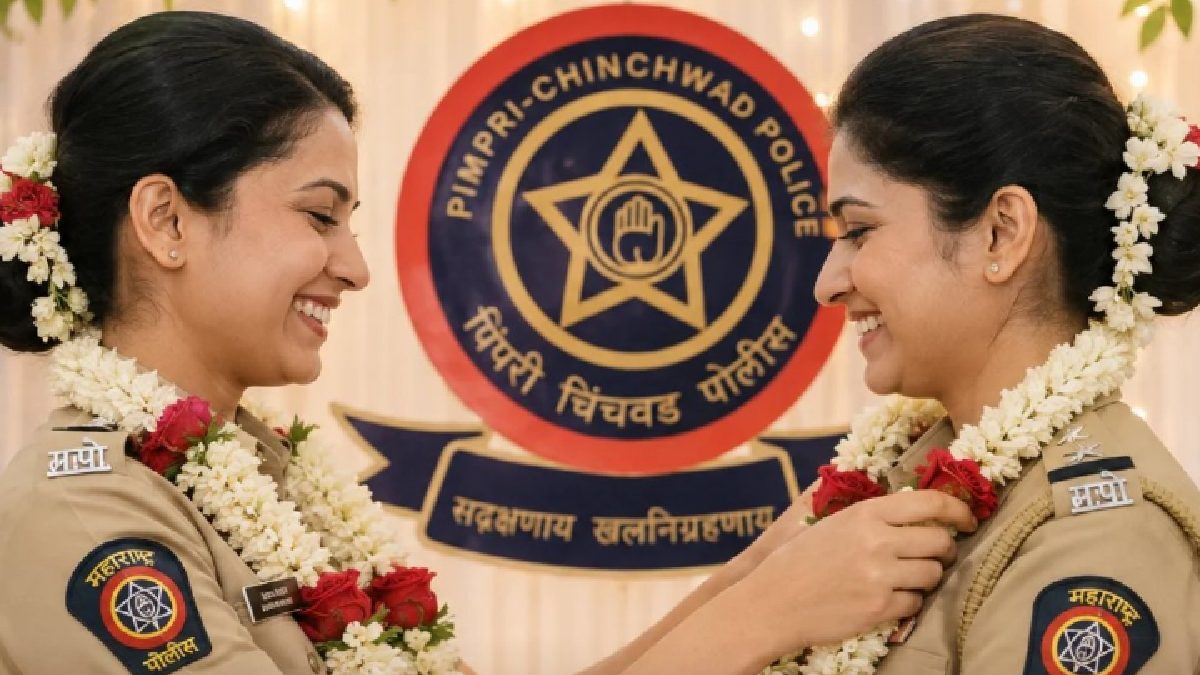
The two women attached copies of their wedding invitation cards to their leave applications. The documents informed senior officials of their planned wedding and the period when they would be away from duty. The wedding will take place on August 30 in Alandi, a city in Maharashtra with religious and cultural significance (see attached photo).
The couple is going to solemnise their relationship through traditional Vedic rituals. The wedding has also added a new element with the wedding rituals. Details of the ceremony and the couple’s personal relationship have not been provided to date, but news about the wedding is eagerly awaited in the public because both women are employees of the same police station.
Their decision also underscores the changing conversation in India around relationships, personal choice, and social acceptance. Legal and social issues around same-sex relations and marriages remain critical in the country, and couples have been looking to express publicly their relationships in spite of the difficulties of formal recognition of same-sex relationships.
The wedding was reported to have been brought to some attention after the leave applications were made through official channels. In most government departments, employees apply for leave for significant personal occasions, but the presence of wedding invitation cards made these applications particularly striking. It has caused some talk among colleagues and residents in the vicinity.
Alandi, where the ceremony will take place, is an important pilgrimage place in Maharashtra and is associated with Sant Dnyaneshwar. So the ceremony there will be based on Vedic customs. The couple’s decision to carry out the wedding according to rituals associated with marriage has also attracted the interest of people who are aware of the development.
The reported wedding is occurring at a time when same-sex relationships are increasingly well-known in India. LGBTQ+ relationships are increasingly visible in public life, entertainment, workplaces, and social life these days. But recognizing same-sex marriages as legal is a separate and complex issue, and so individual ceremonies like this matter in social terms.
For the police department, the move is also quite unusual because both people are in the same organization. Their association and the marriage have also made the upcoming ceremony a topic of conversation in the police line of work. The couple will be thinking of what is truly personal and not what’s going on outside the office at the same time, too.
The August 30 ceremony will be a memorable one for the two women and their family and friends. Alandi’s use of Vedic rituals also shows they wish to celebrate it according to their traditional customs.
As information on the wedding gets out there, the story has received attention well beyond the police department. Personal relationships and individual choices are much more than one thing that we’re seeing in terms of larger social acceptance, equality, and changing traditions as we go along.
While the wedding itself is a private event for the couple, the couple’s unusual circumstances have made the wedding a subject of public interest. The decision of two women working at the same police station to celebrate their relationship through a traditional ceremony in Alandi makes the August 30 event one that many in Pimpri-Chinchwad and neighboring areas will be watching with interest.