A regular Uber ride took a turn when a passenger overheard the driver talking to a person who he said was from Pakistan about religion.
The conversation started with the driver saying, “Aap Pakistan se ho na,” then getting into religious discussion, and the passenger began recording it.
The passenger said the driver was talking about some controversial issues, including claims about religious places and beliefs later on in the ride and it was in the past about places such as Mecca and Medina, but also the Hindu religious practices. The conversation continued until the passenger arrived at that destination.
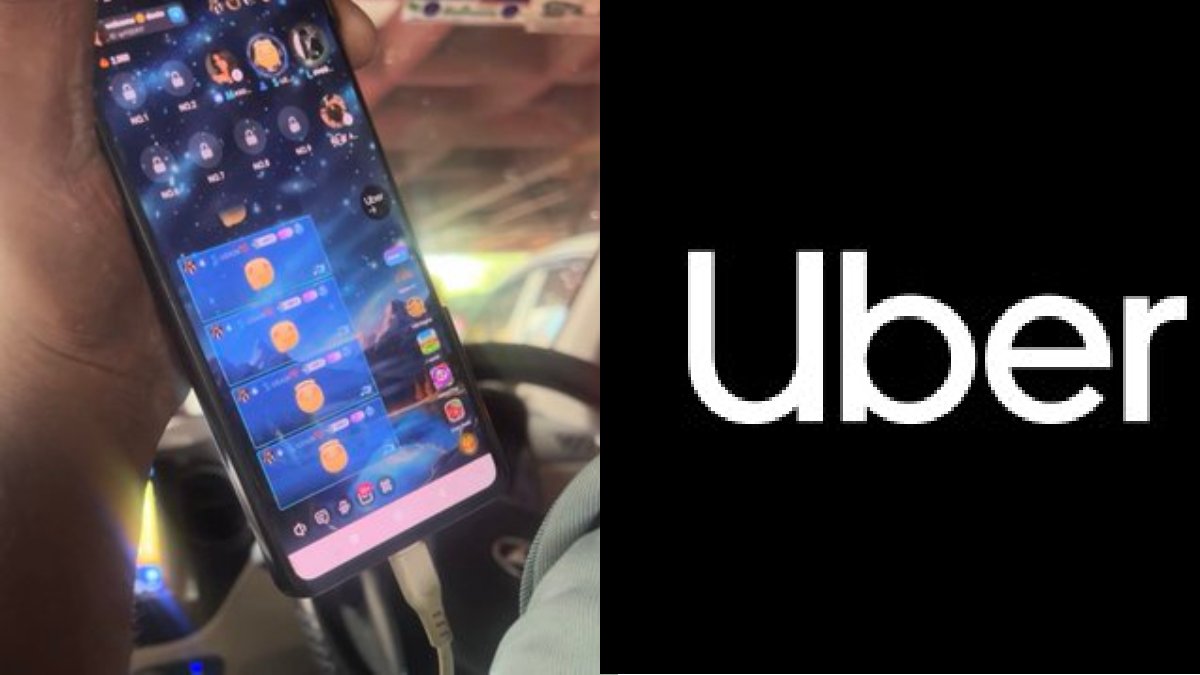
Before exiting the car, the passenger asked the driver about whom he had been talking with. The driver said he was engaged in conversations using an app called Trumeet, where according to him, several Pakistani users regularly engage with Indian participants on religious topics.
The driver said conversations on the platform often begin with ordinary conversations before moving to religion. He provided examples of questions that are allegedly asked by some users on why Hindus worship cows and other provocative comparisons to trigger arguments.
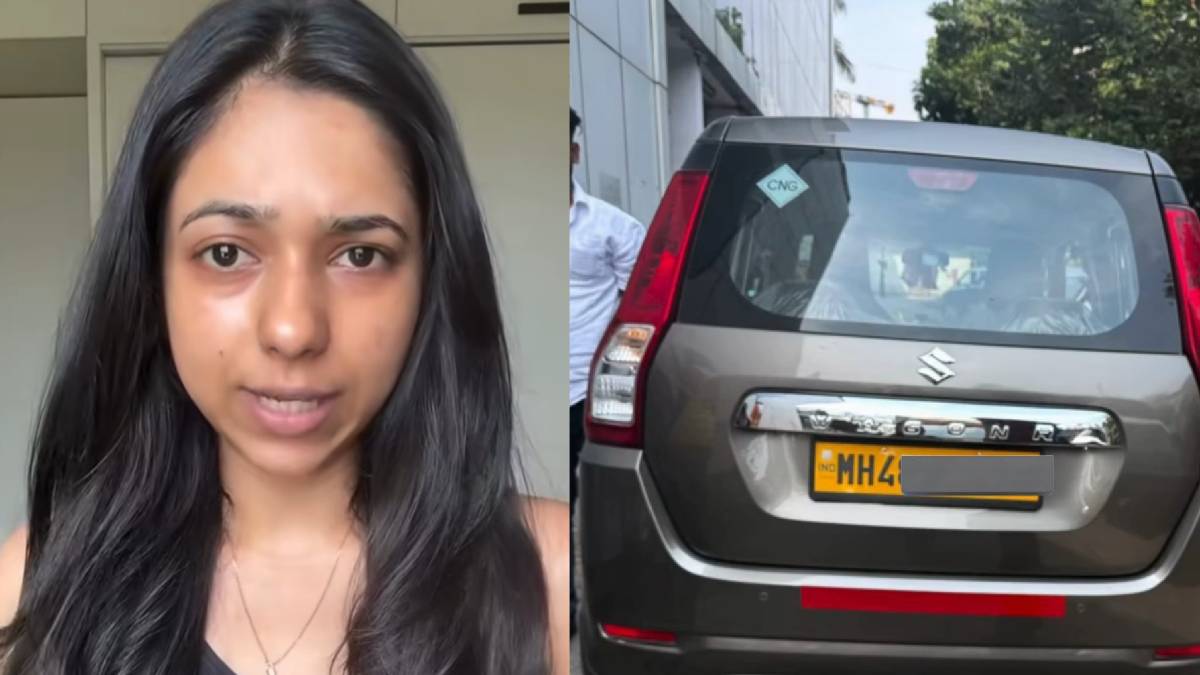
When asked how he responded, the driver said that while people might get affected by such conversations, he personally criticizes users who try to provoke religious arguments. He said he tells them to “mind their own business and let us mind ours” and that’s not to say the conversations should become a roadblock to peaceful coexistence.
The passenger also said that the driver showed a screenshot of the Trumeet application and what appeared to be an ongoing conversation. However, the authenticity of the screenshot and the identities of the participants could not be verified independently.
In the discussion, the passenger told the driver about previous cases when Indian security agencies investigated alleged online radicalization networks. The passenger mentioned publicly reported cases in which individuals were accused of being influenced through digital platforms before allegedly becoming involved in extremist activities.
The passenger said that the driver appreciated the information and said he would share the concerns with his friends to make them aware of possible online influence campaigns.
In the Uber cab I took today, I overheard the driver saying - “aap pakistan se ho na…”
— Swati Goel Sharma (@swati_gs) July 21, 2026
I started recording after that. The driver started - aapki Mecca medina mein pehle shivling thi..”
You can hear the rest of what he said in this video till my destination arrived
Before… pic.twitter.com/c9GbBxwgGz
We have also seen a lot of discussion on social media about how chat applications enable cross-border communication about sensitive topics such as religion and politics, and how these are important to some internet users in the process.
Cybersecurity experts have warned people online to be wary of talking to unknown people if the conversation is off-the-wall and to keep it from getting too provocative or attempting to influence their thoughts.
We note that the claims made in the cab ride have not been independently verified and there is no official confirmation of the nature of the conversations on the Trumeet platform. The government usually advises citizens to report suspicious online activity through official cybercrime channels rather than confrontational exchanges.
The episode highlights the increasing importance of digital awareness, critical thinking, and responsible online engagement in an era where social media and communication platforms can easily connect users across borders.