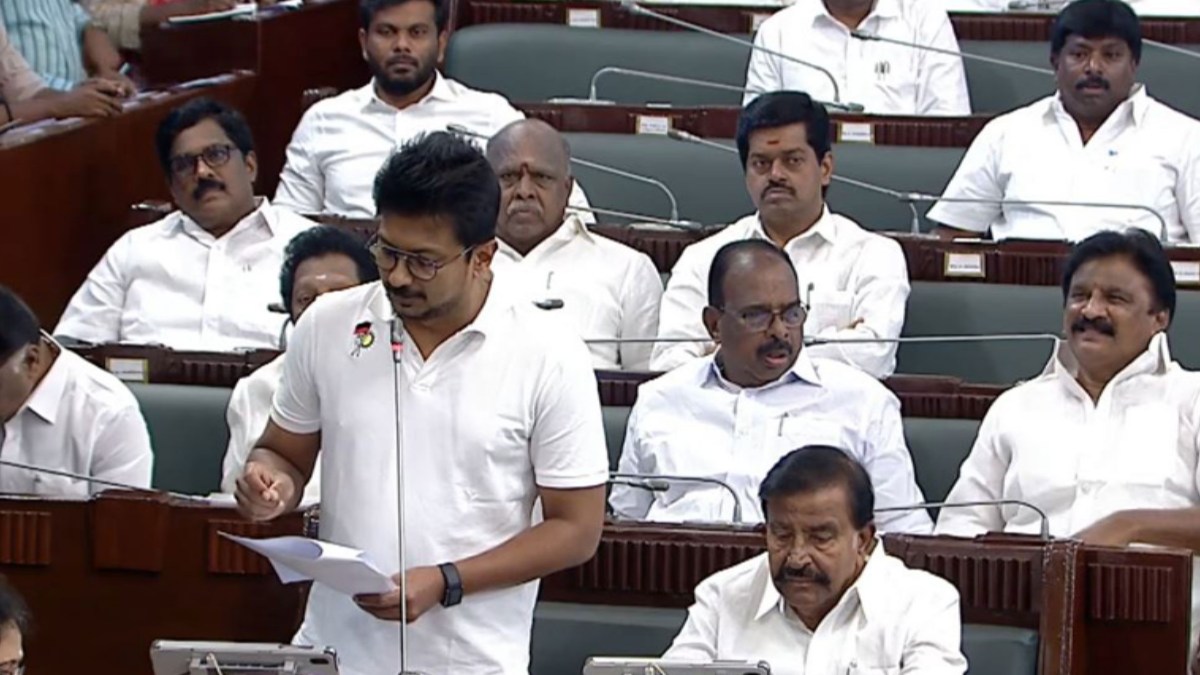
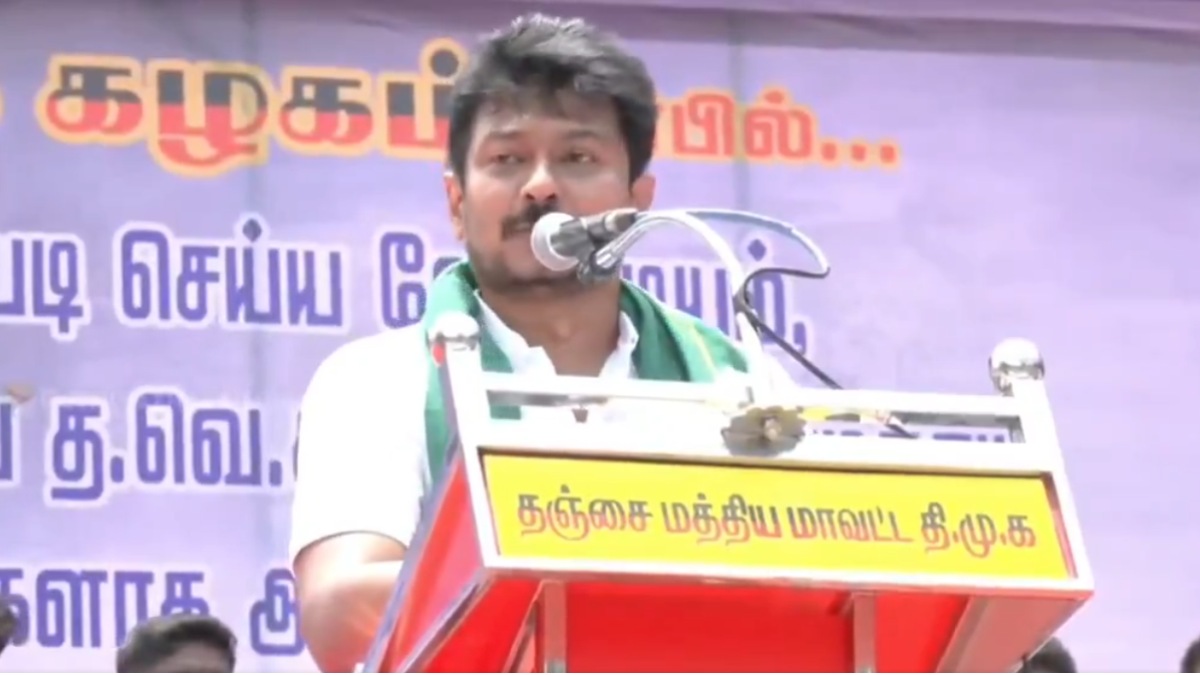
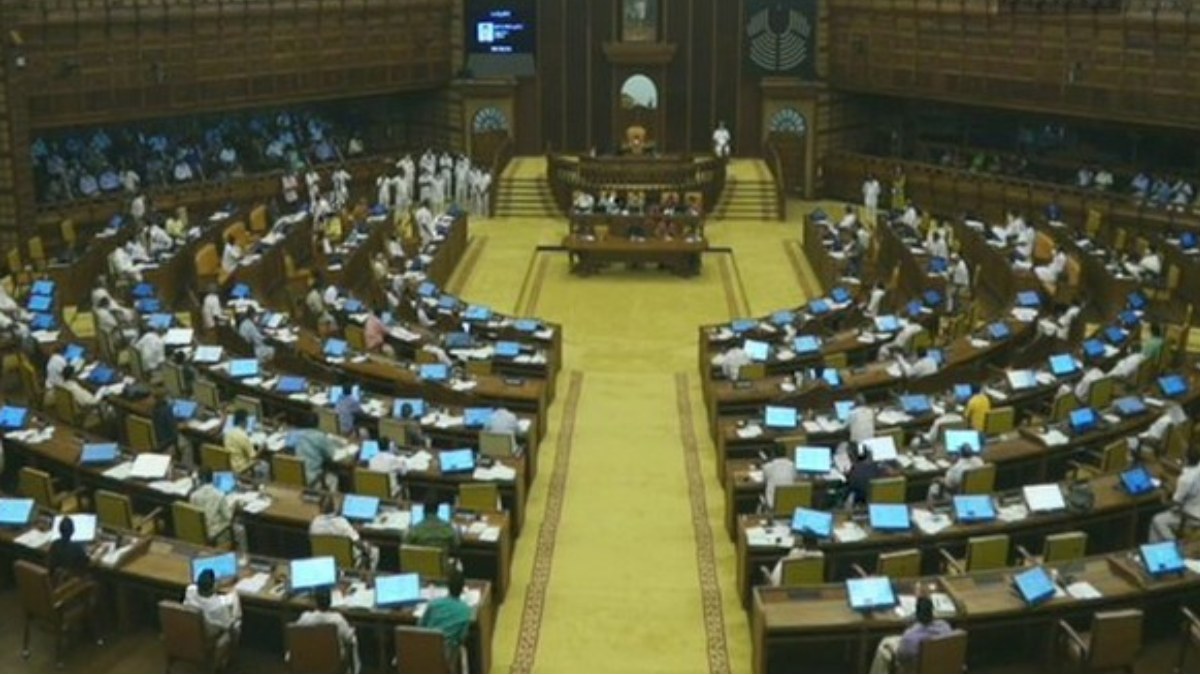
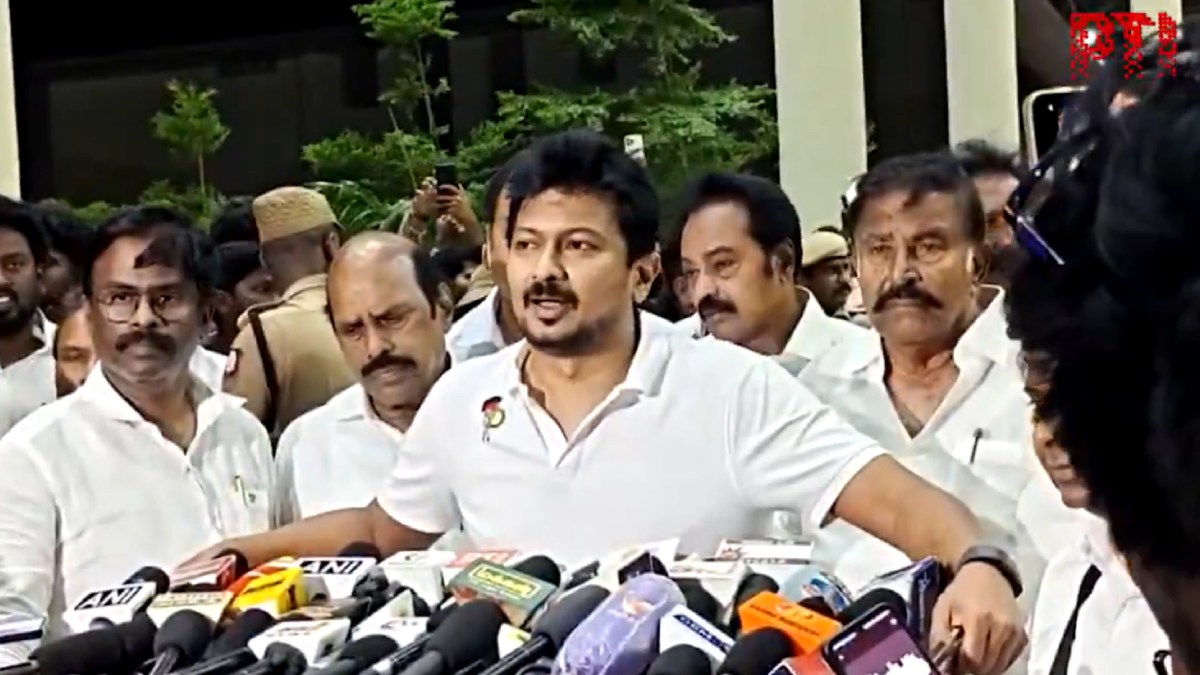
A fresh political clash erupted in Tamil Nadu after DMK leader and Leader of the Opposition Udhayanidhi Stalin went public in the wake of his release from prison on the Trisha remark case. Udhayanidhi said the state administration treated him “like a terrorist” and accused the government of the use of excessive police force and political vendetta against him.
The controversy stems from comments allegedly made by Udhayanidhi at a public rally in Thanjavur. A double-meaning reference to actor Trisha in which such statements were taken as a reference to the local political class and women's groups. TVK leaders and others filed complaints against Udhayanidhi, and police filed a case under different laws of the state, including the Information Technology Act and the Tamil Nadu Prohibition of Harassment of Women Act.
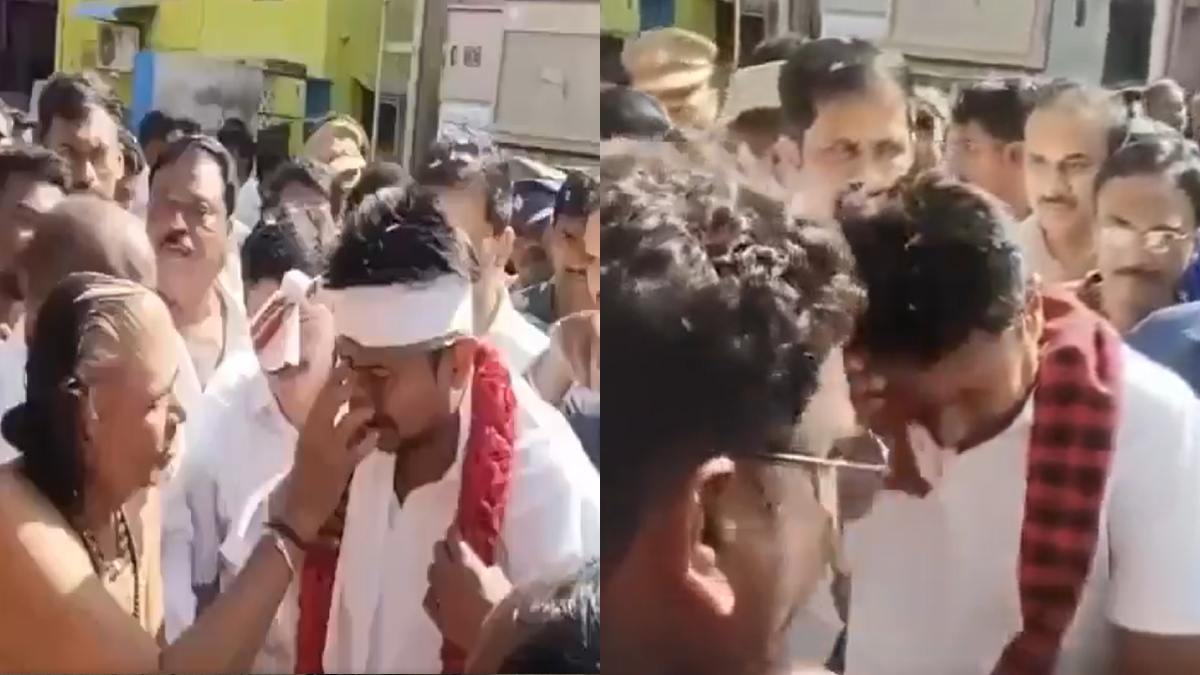
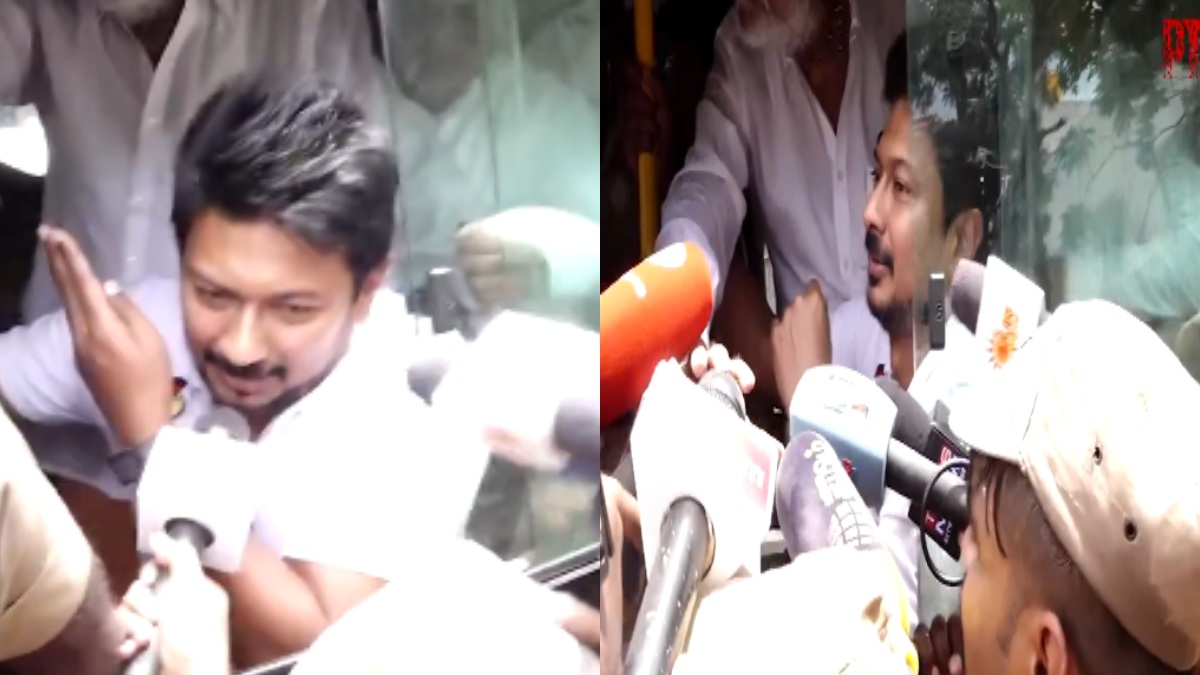
Udhayanidhi was taken into custody and questioned by police for around 90 minutes before being released. There was high political tension, and DMK supporters gathered outside the police station, and protests were reported in some parts of the state. The Madras High Court also intervened and ordered the questioning process to be completed in order for him to be released.
Udhayanidhi accused the TVK government of orchestrating an unnecessary show of force shortly after his release. Thousands of police were sent to arrest him, and he wondered whether that was a reasonable treatment for a political leader who was being arrested for a speech-related matter. The government’s actions were to intimidate the opposition and divert attention from issues affecting the state, he said. He described it as a “terrorist-style” arrest and said the administration was trying to suppress dissent through politically motivated cases.
The DMK has rallied around its leader and described the case as political revenge by the ruling party led by Chief Minister Vijay. Senior DMK leaders said the arrest was done to bring political drama on the political stage ahead of the big elections. They said the TVK government was not fighting any political battles but fighting for governance and public welfare.
The ruling TVK, however, has defended the action taken against Udhayanidhi. Party leaders say that the remarks attributed to him were inappropriate and offensive, especially since the remarks were made about a female actor. TVK representatives have argued that public figures should be held accountable for their comments and that the law should apply equally to everyone, regardless of political status. The party has petitioned the National Commission for Women to take action against the remarks.
The episode has only strengthened the bitter rivalry between DMK and the TVK government. Since TVK took power in Tamil Nadu earlier this year, Udhayanidhi has been one of the government’s biggest critics on law and order, governance, and public policy issues. Now the political divide is even deeper as both sides prepare for future elections.
Political observers say the case could have much larger implications for the state's political discourse. Supporters of the TVK government claim the police action as a form of accountability, while DMK leaders see it as an attempt to suppress opposition voices. The debate has reignited discussions about freedom of expression, political criticism, and the role of public leaders in their public speeches.
The Trisha remark controversy is one of the most talked-about issues in Tamil Nadu politics. Both sides are refusing to back down, so it will be at the centre of the state's political narrative in the coming weeks.