Two weeks after the southwest monsoon arrived in Kerala on 4 June, weather experts are closely monitoring a growing concern: rains are not spreading evenly across India.
Although some parts of eastern, northeastern and southern India have received moderate to heavy showers, large parts of western and central India are still waiting for sustained rainfall. Satellite data from various international and Indian weather agencies now indicates that the monsoon’s progress is in danger of being interrupted, raising new doubts about farmers, water resources and the economy.
What Are the Satellites Showing?
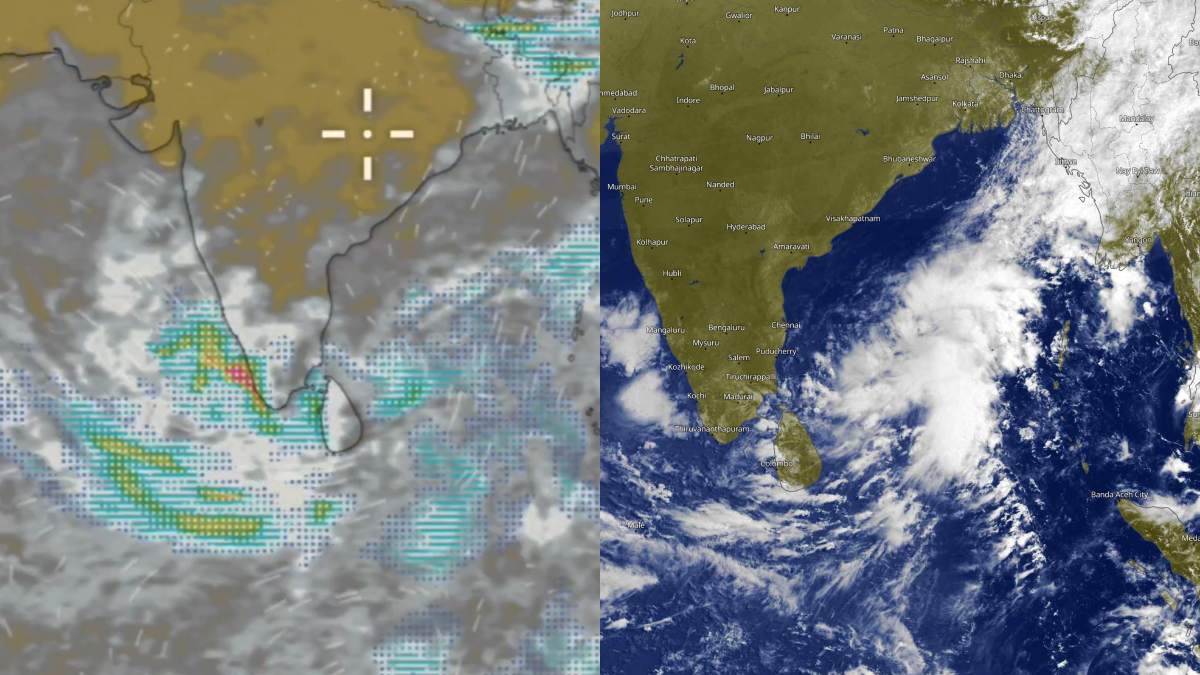
The latest images from the Meteosat satellite operated by the European weather agency EUMETSAT are revealing dense cloud formations over the northern Bay of Bengal. This is good news for states like Odisha, West Bengal, Bihar and Jharkhand, where monsoon activity is still fairly strong.
However, those same images reveal significant gaps in cloud cover over western India. Rather than continuous rainfall, Maharashtra, Gujarat and Rajasthan are seeing scattered bursts of rain followed by long dry periods.
Data from ISRO's INSAT satellites also confirms a similar picture. There are active thunderstorms and strong atmospheric convection in eastern India, but clouds are scarce in Madhya Pradesh, Vidarbha, Gujarat and large parts of Rajasthan.
This uneven distribution of rainfall is becoming one of the defining features of this year’s monsoon so far.
Why Is This Happening?
Several factors are noted by meteorologists.
One of the biggest problems is the behaviour of the Intertropical Convergence Zone (ITCZ), a crucial weather system that usually moves northward in June and pumps precipitation into the Indian subcontinent. Satellite observations indicate that this movement has been weaker than expected, slowing the monsoon movement in some of the regions.
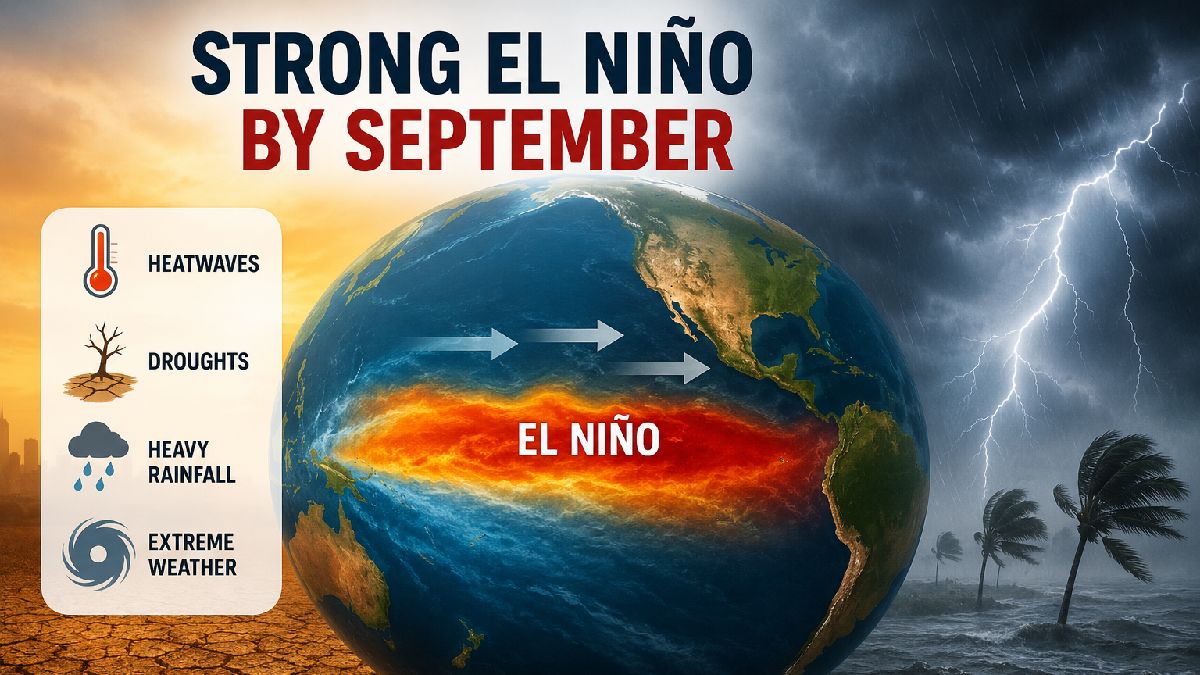
Another factor that is also being closely watched is the development of El Niño conditions in the Pacific Ocean.
El Niño is a global climate phenomenon that affects rainfall. For India, it is usually associated with mild monsoons and less cloud production and even longer droughts. There is no full-scale El Niño declared, but weather models indicate that it might impact the rainfall distribution in the next few weeks.
What Could Be the Impact?
The issue is agriculture.
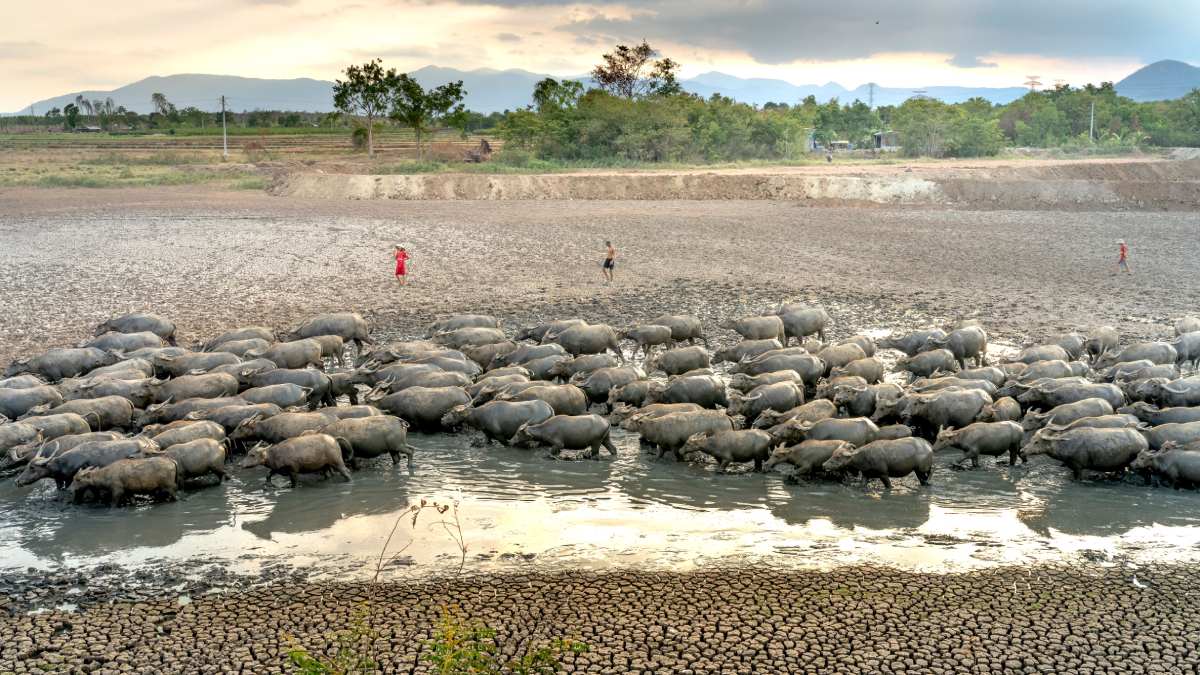
Farmers depend on the regular and consistent monsoon rains to grow rice, soybean, cotton and pulses. Failure of the monsoon rains can delay planting at the start of crop growth and increase irrigation costs.
Maharashtra has already seen only a fraction of its normal rainfall in the first half of June. If dry conditions continue, water availability and agricultural productivity could grow significantly.
If rainfall is limited to a few areas, reservoirs will be under pressure; this will have an impact on water supplies, hydropower generation and irrigation systems.
Urban areas are not immune either. Uneven rainfall means that cities can flood quickly after a very strong rainfall while some areas are still under water shortages.
How Can People Stay Safe?
Residents should follow the weather forecast from the official warnings from the India Meteorological Department (IMD) very closely, they say.
People in areas with heavy rain should keep track of flash floods, waterlogging and lightning-related problems. Local agricultural advisories should be taken into account before sowing decisions and farmers should not rely on early rainfall spells to make their decisions.
Water conservation becomes more important in dry areas until the pattern of rainfall settles.
What Happens Next?
The monsoon season is still early and weather systems can change rapidly. In the next few days there could be developments on the Bay of Bengal that could revive monsoon activity in some parts of the country, meteorologists say.
But for now, satellite data tells us a very clear story: India is experiencing very uneven monsoon conditions with active rainfall in the east but worrying dry gaps in the west and central regions. If this is a temporary lull or a more general seasonal issue, farmers, policymakers and millions of Indians whose lives depend on the monsoon will be closely watching.