The World Meteorological Organization (WMO) warns that El Niño will rapidly strengthen into a powerful climate event between July and September, exponentially increasing the risk of heatwaves, droughts, heavy rainfall and the extreme weather of many regions of the world.
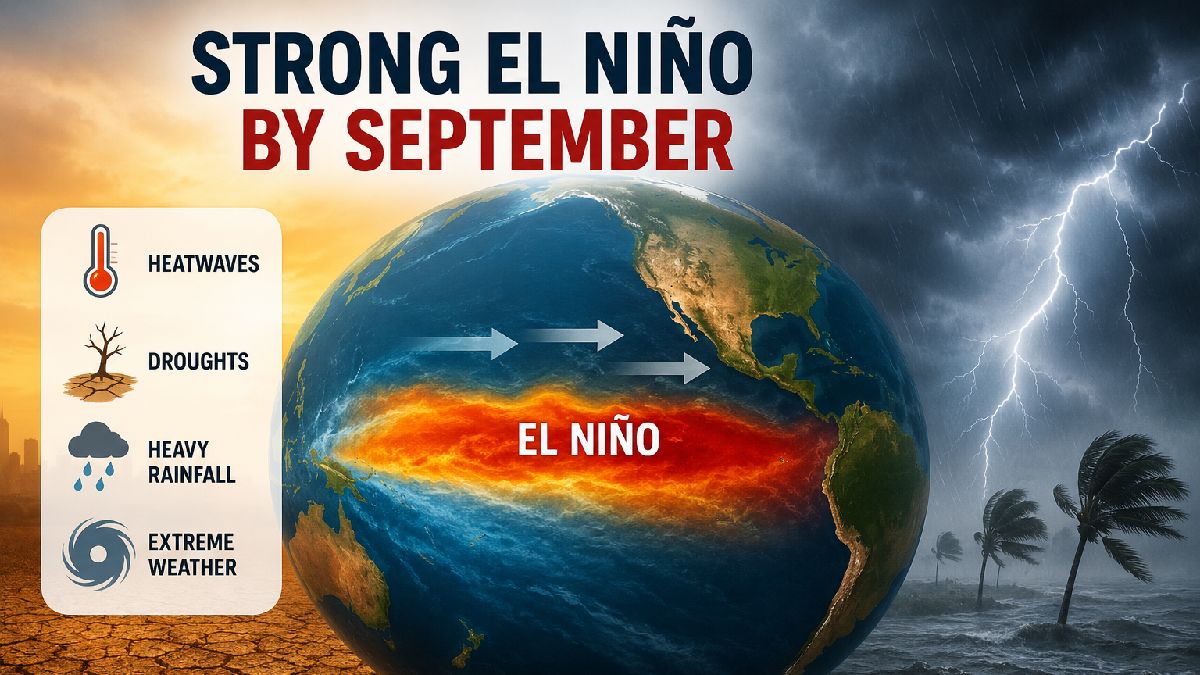
In its latest Global Seasonal Climate Update, the United Nations’ weather and climate agency said that El Niño conditions have already developed in the tropical Pacific Ocean and are expected to intensify rapidly over the coming months. The WMO categorizes El Niño events as weak, moderate, strong or very strong and current estimates are that it will be in the strong category.
El Niño is a natural phenomenon in the climate pattern of high sea surface temperatures in the central and eastern equatorial Pacific Ocean. It changes global wind and pressure and rainfall patterns often leading to widespread weather problems. It usually occurs every two to seven years and lasts for about nine to 12 months, alternating with La Niña and mostly neutral.
According to the WMO, forecasts from leading global climate centres suggest a consistent and significant warming of ocean temperatures across the equatorial Pacific. The average sea surface temperature anomalies are expected to be higher than 2 degrees Celsius in key monitoring regions, with different forecasting models showing “remarkable agreement,” scientists said.
WMO Secretary-General Celeste Saulo said El Niño is expected to continue strengthening through the Northern Hemisphere autumn and to make severe weather events more likely in several regions.
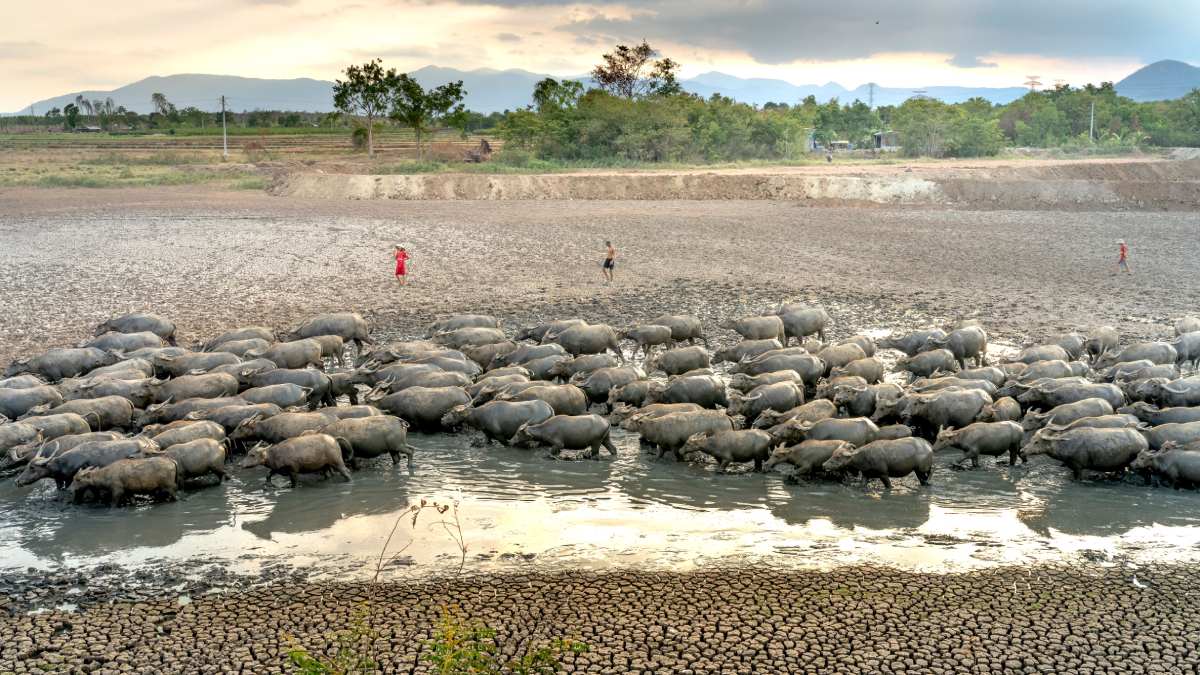
This will increase the likelihood of drought and heavy rainfall and heatwaves on land and marine heatwaves in many regions, Saulo said, and the organisation is expanding early warning support to help governments prepare for potential impacts, particularly in agriculture, water management and public health sectors.
And the equatorial Atlantic Ocean is expected to remain warmer than average, adding to global climate impacts, the agency said.
The last major El Niño played a significant role in making 2023 the second hottest year on record, and 2024 the warmest year ever recorded, with global average temperature approaching 1.55 degrees Celsius above pre-industrial (1850-1900) levels.
Although El Niño events generally peak in November and February, their warming impact on global temperatures often continues much beyond that time frame and can result in longer heatwaves and climate extremes.
The WMO's latest outlook predicts an overwhelming probability of above-average temperatures across most land areas between 60 degrees south and 60 degrees north covering nearly all populated areas outside the polar zones.
The July to September rainfall outlook also reflects the strengthening El Niño pattern. Above-normal rainfall is expected in parts of the southwestern United States, and below-average rainfall is forecast in the Indian subcontinent and much of Australia, which is raising concerns about drought conditions in these regions.
The WMO said there is no scientific evidence that climate change increases the frequency or intensity of El Niño events. But global warming can amplify their impact as warm oceans and a warmer atmosphere provide more energy and moisture, increasing the likelihood and severity of heatwaves, heavy rainfall and other extreme weather events.
The agency also said that during the Northern Hemisphere summer, warmer Pacific waters associated with El Niño can drive higher hurricane activity in the central and eastern Pacific, and suppress hurricane formation over the Atlantic Ocean.
With El Niño set to strengthen quickly in the next few months, the WMO has recommended governments and disaster management agencies to use seasonal forecasts and early warning systems to minimize the impact on lives, livelihoods and economies.