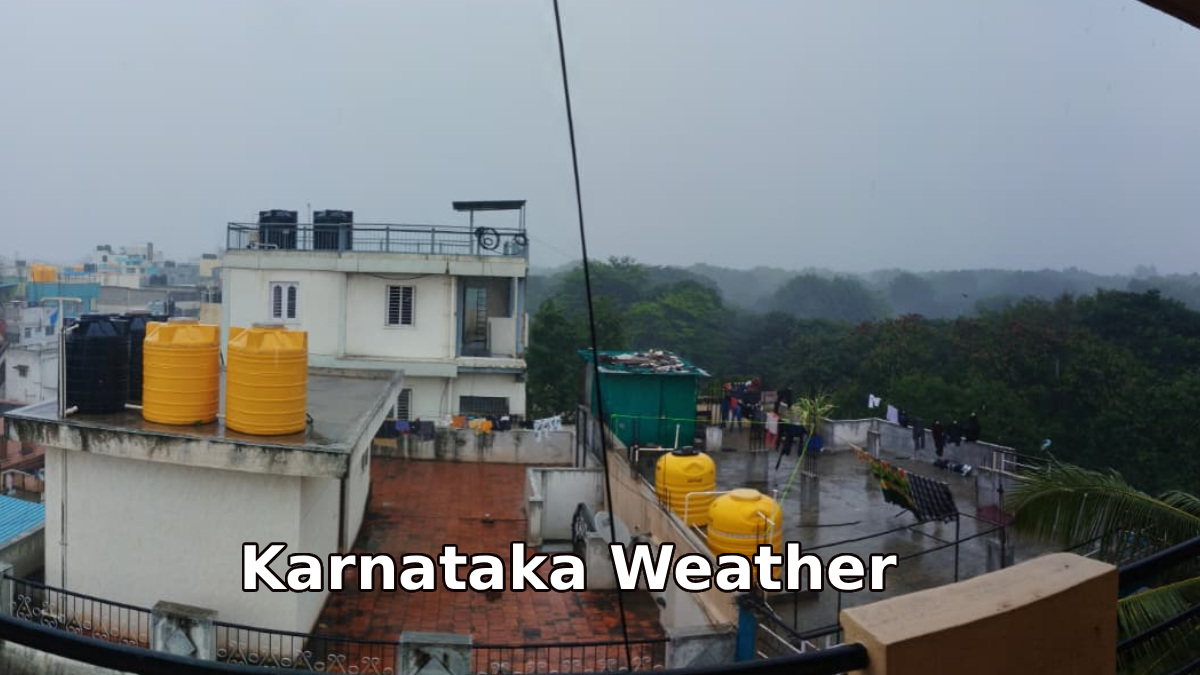
Unseasonal Rain in Malenadu Impairs Coffee and Arecanut Drying. The Malenadu region in Karnataka, known for its coffee plantations and arecanut farms, has been hit by heavy unseasonal rains. For farmers, whose crops dry due to clear weather, they are faced with serious difficulties from these sudden storms.
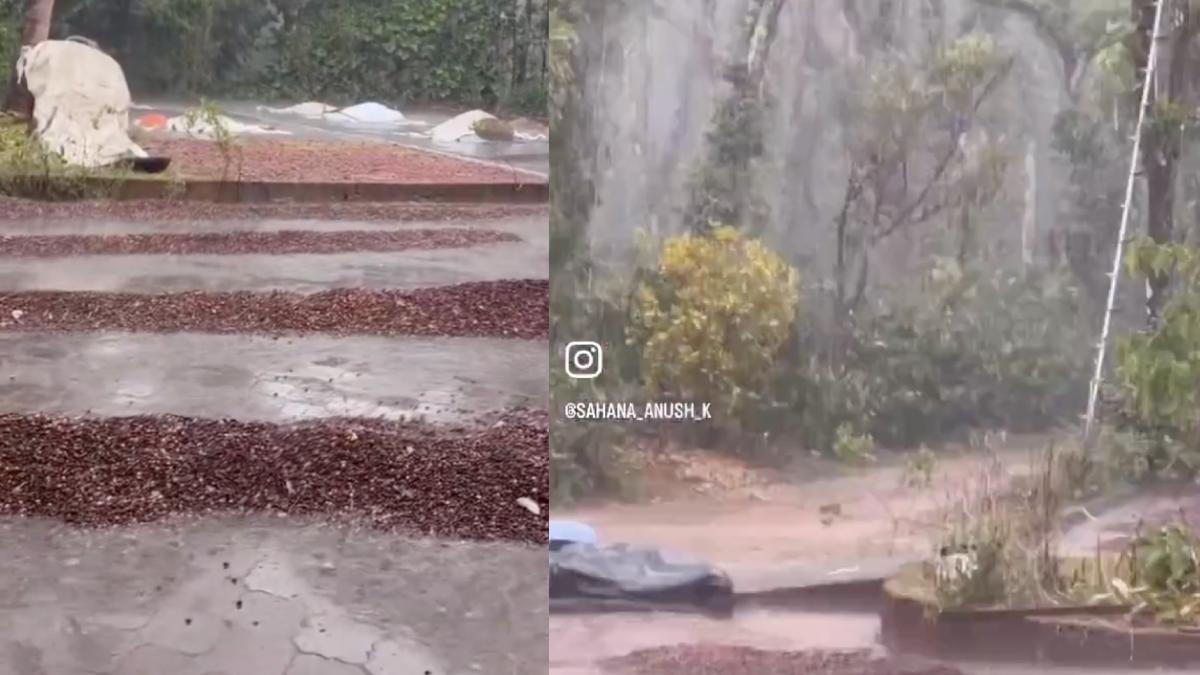
Heavy rains have soaked a considerable amount of produce kept out for drying, and people are concerned about spoilage, lost sales and income. Coffee growers are especially alarmed because beans need the sun to dry well. The extra moisture not only causes drying time to be extended but also a possibility of fungal infections and a drop in quality. I
n a similar vein, arecanut farmers are grappling with the loss of market value of the nuts soaked in rainwater and losing income for the families who depend on these nuts for survival. Farmers all across Malenadu were caught fighting rainwater, hurrying to keep their crops covered with tarpaulin sheets or bringing it indoors. However, the heavy rain made it difficult to save huge quantities of the crop. Many had been dismayed by the fact if it continued the season’s yield could be affected beyond repair, deepening the uncertainties encountered by the agricultural community.
Unseasonal rain (heavy storms) in Malenadu has hit the Coffee and Arecanut drying process while farmers were seen battling with rain water to save the crop which weee kept for drying 😢😢
— ರವಿ ಕೀರ್ತಿ ಗೌಡ (@ravikeerthi22) January 14, 2026
VC : Sahana Bhat#KarnatakaRains https://t.co/S9KeMRXEHO pic.twitter.com/Jphy93sVVc
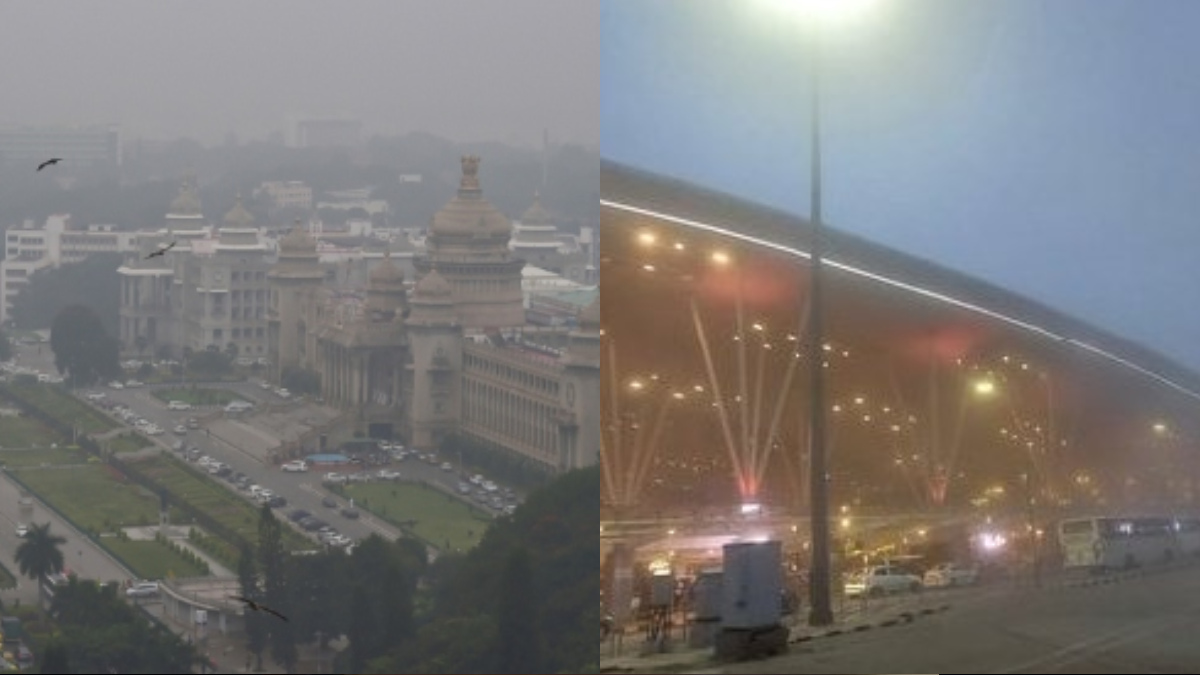
The incident illustrates the ever-increasing susceptibility of farming to unpredictable weather patterns. Climate change, experts say, explains heavy unseasonal rains in the Western Ghats. Given that coffee and arecanut are vital to Karnataka’s economy, farmers are calling for government subsidies, compensation and infrastructure to help protect crops in hard weather. The rains of Malenadu highlight the need of climate‑resilient farming practices with which we are faced today to protect people’s livelihoods.