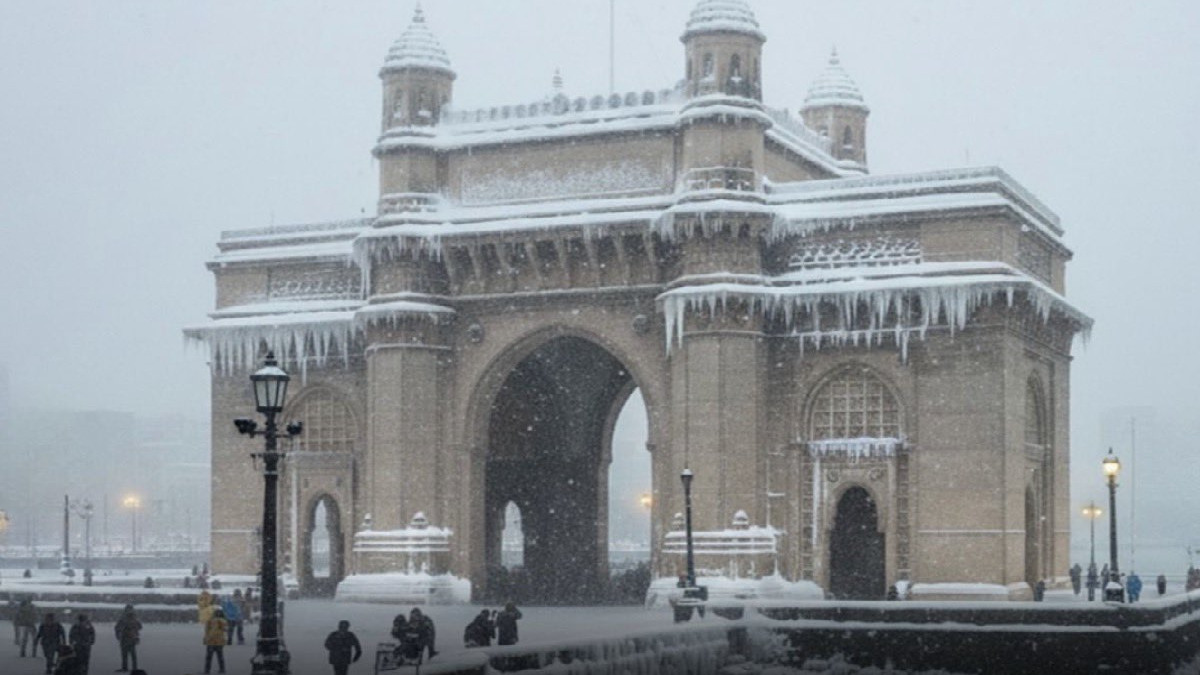
El Niño is among the world’s most significant climate events. It occurs when the Pacific Ocean’s central and eastern waters warm up more strongly than normal at this time of year, disrupting winds and rainfall patterns across continents. Although it’s a natural cycle, El Niño has far-reaching effects on farming, fishing and day-to-day weather. Understanding how it works prepares communities for floods, droughts and storms.
What Causes El Niño
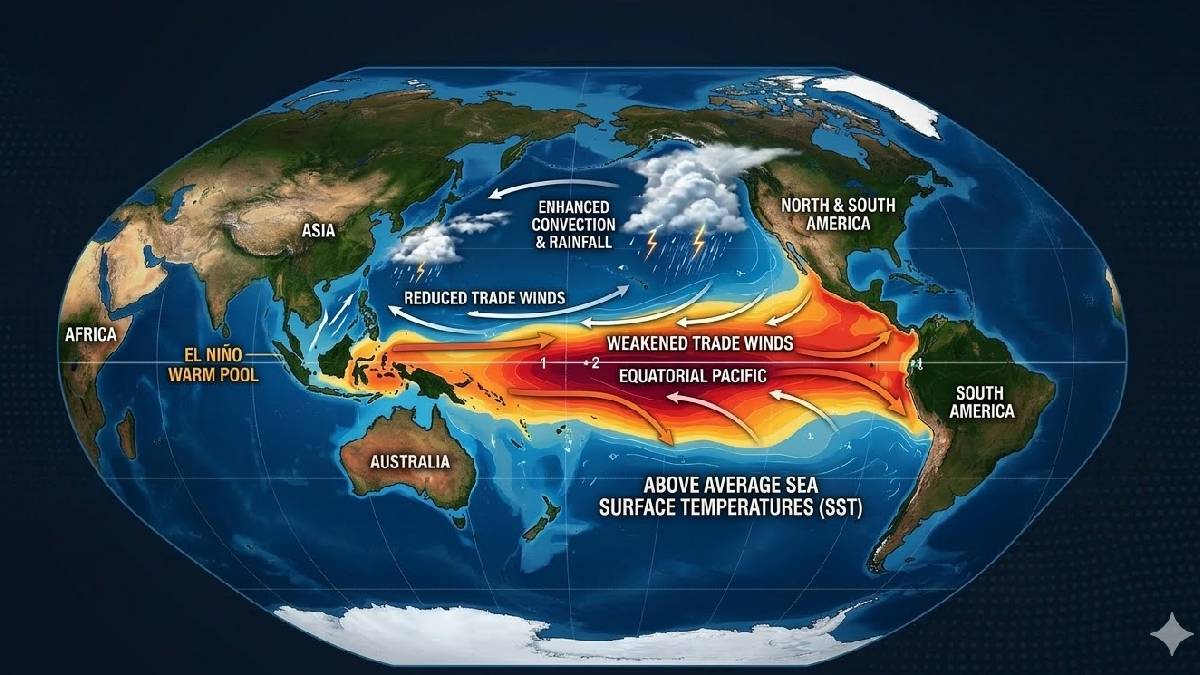
Typically, powerful trade winds lift warm water west across the Pacific Ocean. These winds weaken, allowing warm water to spread eastward toward South America during El Niño. This warming shifts the balance of the atmosphere, changing the rainfall and storm activity. Scholars term this cycle the El Niño–Southern Oscillation (ENSO), which shifts between El Niño (at high temperatures) and La Niña (at low temperatures).
Global Impacts
El Niño impacts different parts of the world.
- South America: Peru and Ecuador are among those most often devastated by heavy rains and flooding.
- Asia and Australia: There are regular droughts and weaker monsoons that damage crops and the water supply.
- India: El Niño impacts are also affecting agriculture. If there are no monsoons, then in summer it means less rain.
- North America: The southern half of North America may see the rainy season; the Pacific Northwest is often drier.
- Oceans and Ecosystems: If water flows are warm, nutrients are less dissolved, impacting fish populations and the fishing industry.
El Niño isn’t merely a weather phenomenon; it impacts economies and daily life. Farmers lose crops when it’s a drought, and fishing communities suffer from fewer catches. Others see expanded precipitation that helps their agriculture. Governments and the scientists who follow El Niño use satellites and ocean buoys to issue early warnings so people can gear up.
Climate Connection
El Niño is a naturally occurring event, but many people say climate change is making its impacts stronger and more frequent. That means floods, droughts and storms associated with El Niño may become stronger in the future.
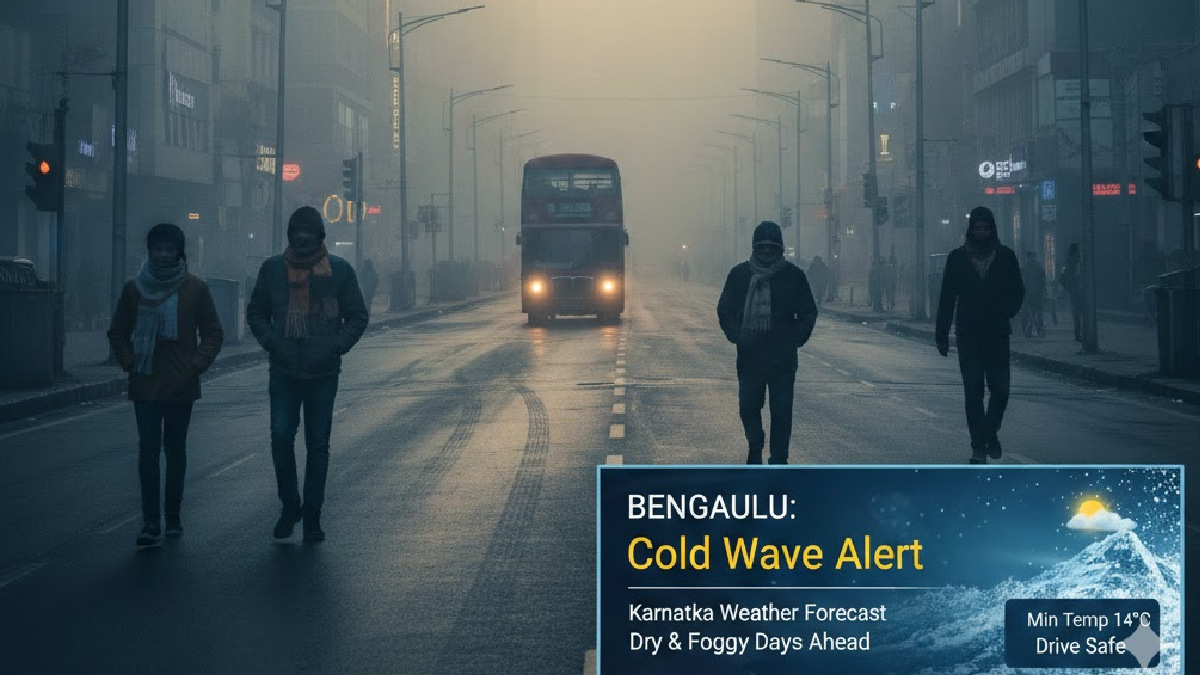
One of the most vivid reminders of how much connectedness there is between ocean and atmosphere. It is warming up the Pacific Ocean so that all over the world its weather patterns are now changing with increasing temperature -- something both unpleasant and delightful. With El Niño events becoming more frequent, understanding them lets people keep safe, safeguard the food supplies and adapt to a changing climate.