An incident of meals of a mid-day meal in Uttar Pradesh that was described as good for schoolchildren has raised the question of nutrition, food standards and whether school meals should be provided.
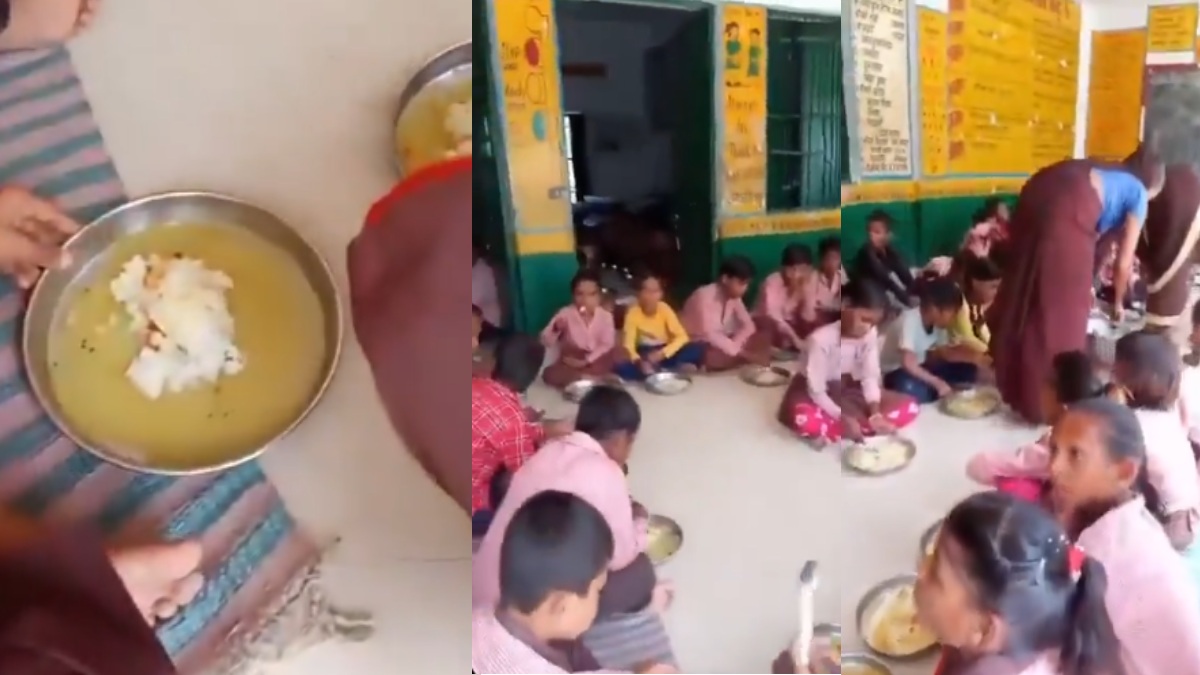
A claim on social media says children were served rice, water, cumin and turmeric. The report has reignited concern that schoolchildren are being given meals that meet the nutritional requirements of the nutritional specifications of the state and that there is much more data collection happening at the local level.
In addition, meals at schools need to be good for school meals and kids’ nutritional well-being and education are very important. It is possible for schools to serve food to many children in the poorest classes to be part of a large proportion of the daily food intake and school meals can have a great impact on their well-being and the school activities for students.
The reported meal has raised questions since rice served with water and little seasoning would provide a relatively narrow nutritional profile if it were indeed the whole meal offered to students. Rice is a major source of carbohydrates and energy, and spices such as cumin and turmeric can add flavour and small amounts of nutrients. But a balanced school meal should also provide it with protein, vegetables, fats and most other nutrients instead of exclusively a single staple food.
The allegation has also revived a broader debate about the difference between government welfare programmes and their implementation on the ground. Government schemes can establish detailed nutritional and operational guidelines, but their efficacy ultimately depends on procurement, cooking facilities, supervision, hygiene, monitoring and accountability at individual schools.
A school meal programme is part of that education as well. Kids with proper nutrition are more likely to concentrate, be in class, and to attend regular school. Hunger can affect concentration and energy levels and students’ learning ability can be disrupted, so that it is difficult for them to benefit from classroom instruction. So nutrition and education are intertwined in the development of human capital in the long run.
So the report has also been met with criticism by those who feel basic nutrition needs to be put more into public education systems. It’s more than just a single meal that is concerned with how frequently menus are monitored, whether schools receive the food they need on time and what food is being prepared to meet the standards.
At the same time, the claim should be independently verified before drawing conclusions on the entire school meal system in Uttar Pradesh. A picture, video or social media post showing a particular meal may represent a single incident and not necessarily reflect the food being served across schools or districts. Authorities would need to establish the location, date, school, menu prescribed for that day and circumstances under which the meal was prepared.
If so, officials would need to determine whether the school had the right supplies and if supervision or procurement was wrong. They would need to evaluate if the reported meal was the result of one incident or a recurring problem. So an assessment would be able to determine if corrective measures were needed.
Food safety and hygiene are just as important. School meals must be prepared in clean facilities with healthy ingredients and drinking water. Food safety and quality of food served to children should be controlled by cooking arrangements, storage facilities and utensils. Regular inspections can help spot problems before they spread.
Parents and local communities also have an important role in monitoring school meal programmes. Community participation can add another layer of accountability and enable concern to be passed on to education and administrative authorities more quickly. If parents discover meals are regularly not meeting their standards they can take the matter to the appropriate school management and government officials.
It also underscores the need for transparency. When we publish menus and nutritional standards and monitoring mechanisms to help parents see what children are supposed to receive, our food quality can improve, and we can also have a system of complaints and how to report them.
Nutrition programmes should be seen as an investment in the future of the country. Children given proper nutrition in their formative years have a better opportunity for growth and development. Nutrition and education in this way will increase education and later life learning outcomes.
A healthy school meal is not necessarily expensive or elaborate. Locally available ingredients can be used to create balanced meals when planning and procurement are properly managed. Pulses, vegetables, grains, and other suitable foods can provide a diverse diet when they are prepared as per established nutritional guidelines.
The UP incident has thus become a focal point of a wider discussion around the capacity of governments to make sure that welfare programs are delivered in the way that the intended beneficiary receives welfare. Allocating funds and announcing policies are only the first steps. Implementation needs to be monitored and accountability.
For children, the problem is more pressing because they have little control over the quality of the meals they receive at school. Their nutritional requirements depend on the systems set up by adults and institutions. Systems that work properly should therefore remain an issue for education authorities.
The allegation has also raised questions of whether schools have sufficient resources and infrastructure to prepare meals. Challenges related to kitchens, cooking fuel, storage, staffing and supply chains can influence whether school nutrition programmes will be delivered. This practical work may be as important as nutritional standards.
Rice + water + jeera + haldi being served as a mid-day meal to children in UP.
— Radio India 🇮🇳 (@Radio_India_) August 13, 2026
Indian youth will never realise their true potential if governments continue to treat basic nutrition and education as afterthoughts.
A country can’t build a strong future on empty stomach pic.twitter.com/JaaHZWi1sp
Finally, the rice-and-water meal allegation has to be investigated on the basis of verified facts. If the claim is confirmed, authorities should know why it failed and take appropriate corrective action. If it is based on misinformation or not, officials should clearly communicate it to stop misinformation from spreading.
But the larger idea is that children need education and sufficient nutrition to reach their capabilities. School meal programmes do work to support both goals and ensure that students aren’t learning while struggling with hunger.
The controversy is an example that public education is about much more than classrooms, teachers and textbooks. Students’ needs are also fundamental. Access to nutritious food and safe infrastructure and quality education in a sustainable future are all part of that together. For now the attention is on the incident and for the local authorities and education officials to clarify. A transparent investigation could determine what food was actually served, whether it conforms to the menu and if there were any administrative failures.
There is a sense of a wider debate at a national level about school nutrition in Uttar Pradesh: how safe, adequate and nutritionally balanced the meals are. The incident also sends a message: investing in the children’s nutrition is as important as investing in education, health and the country’s long-term development.