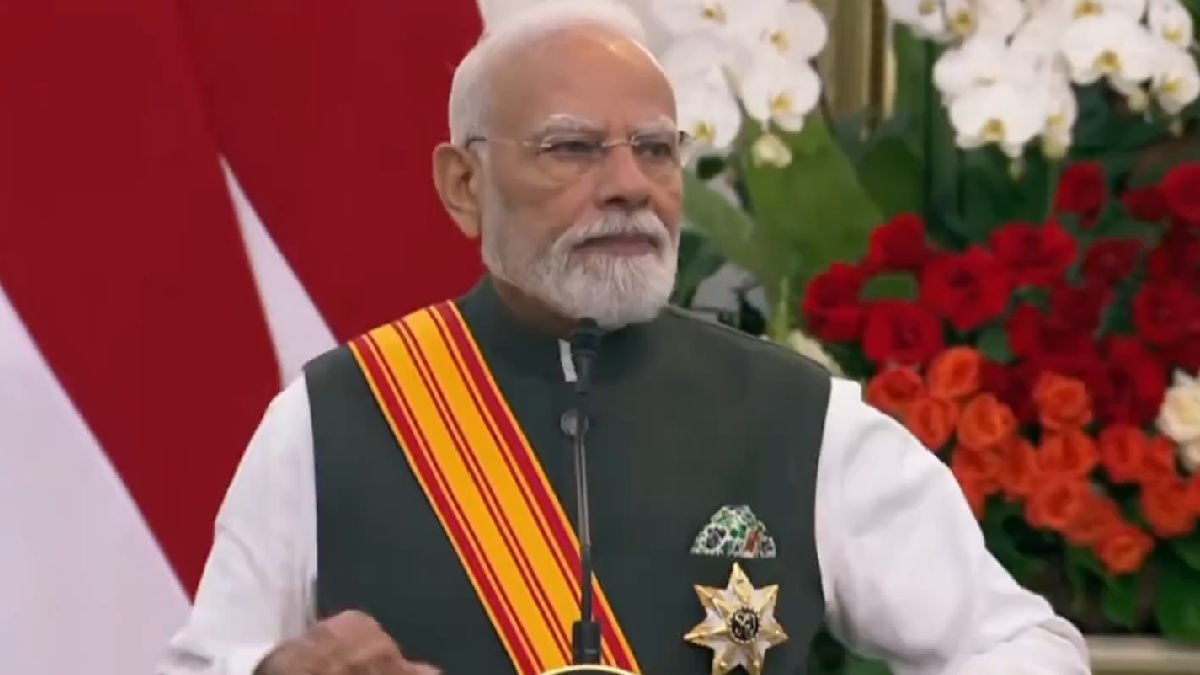
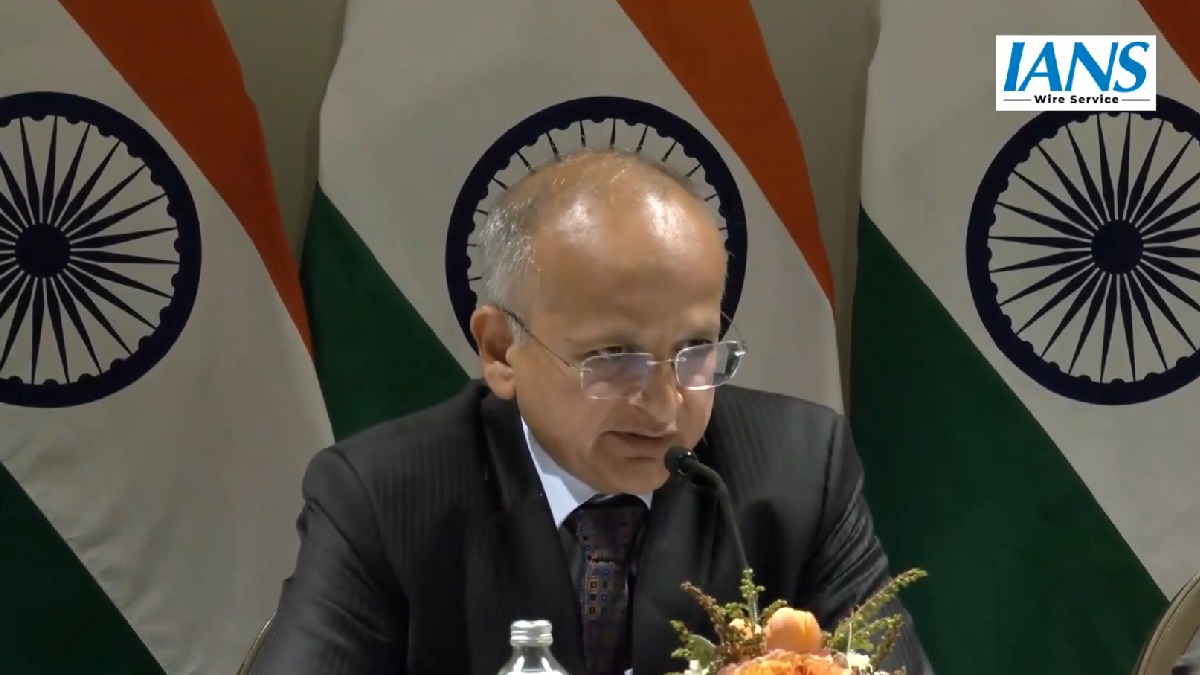
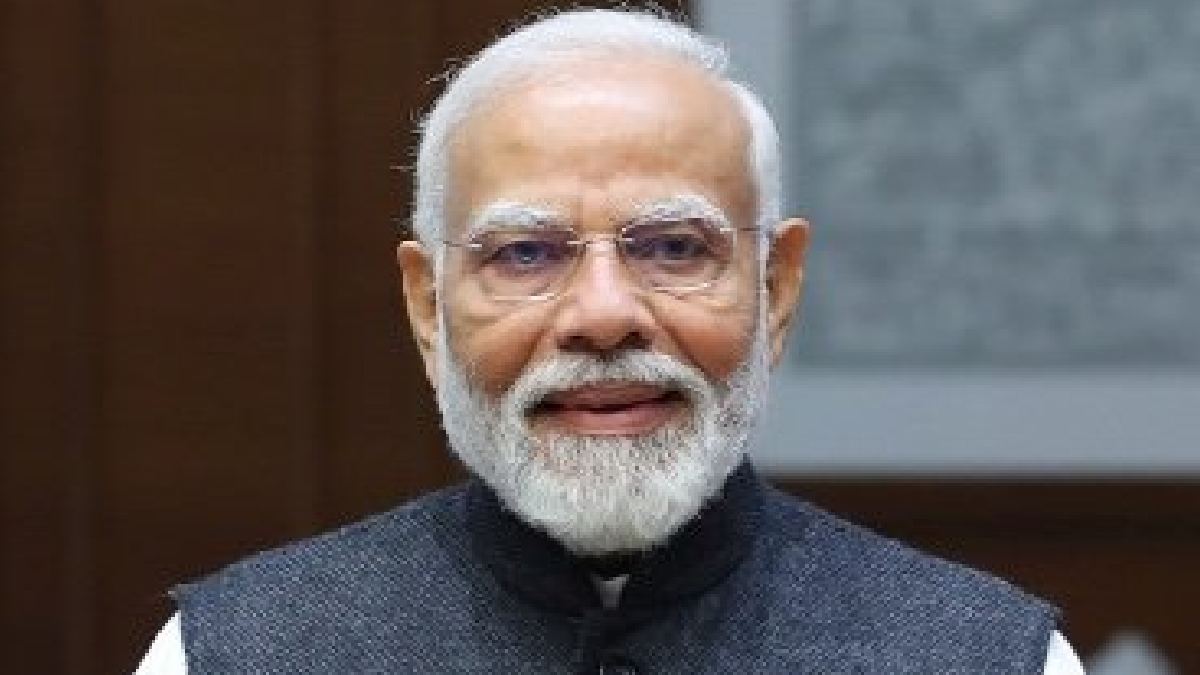
Some basic appeals can be made to ordinary people in the context of an economic depression on an increasing level worldwide, a strain of political tensions and the internal economic difficulties a society is experiencing, to actively take part in both an economic and a nationalistic manner and to do everything we can to help our country to survive through such conditions.
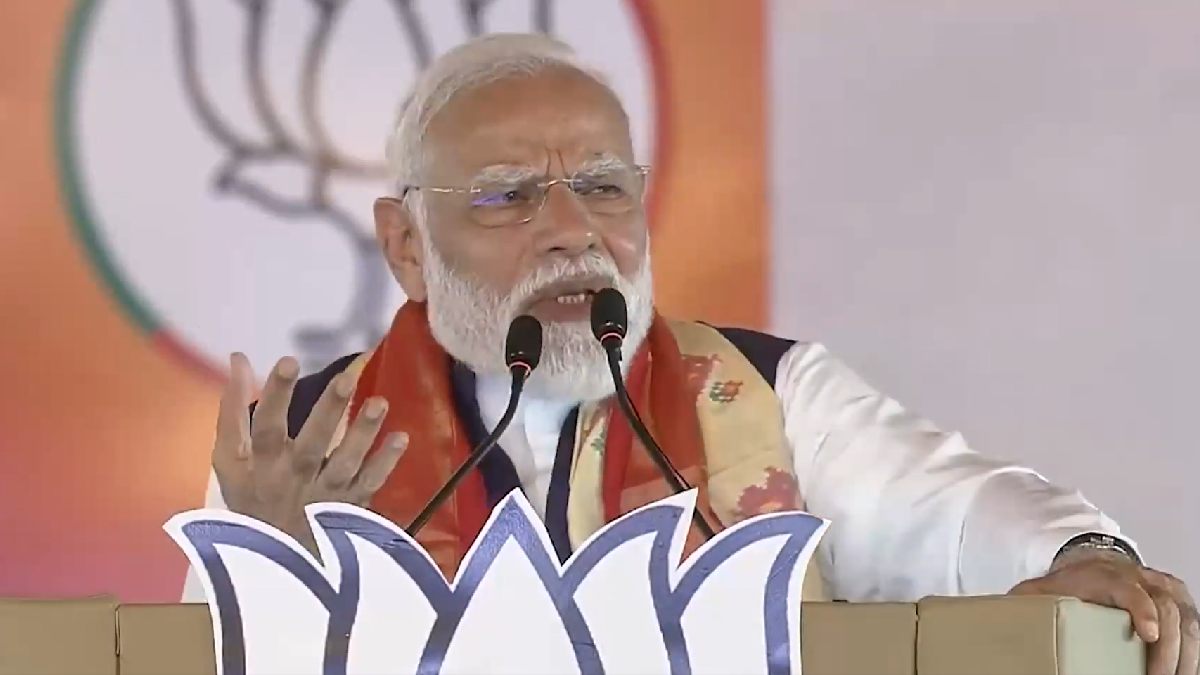
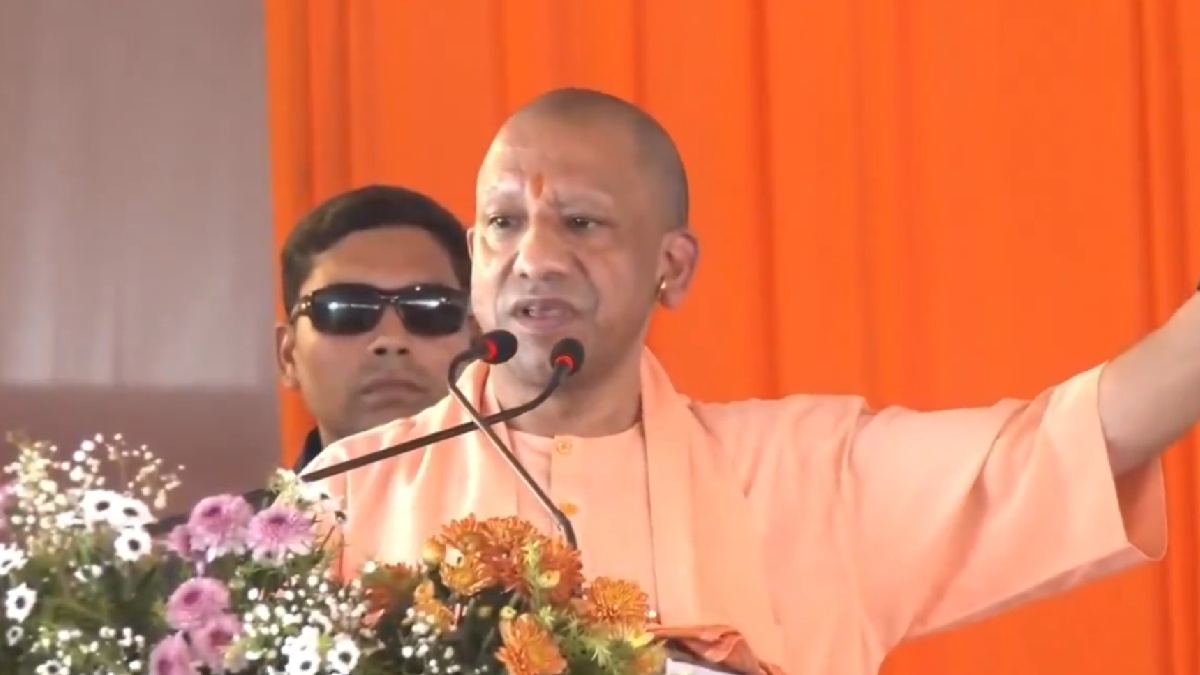
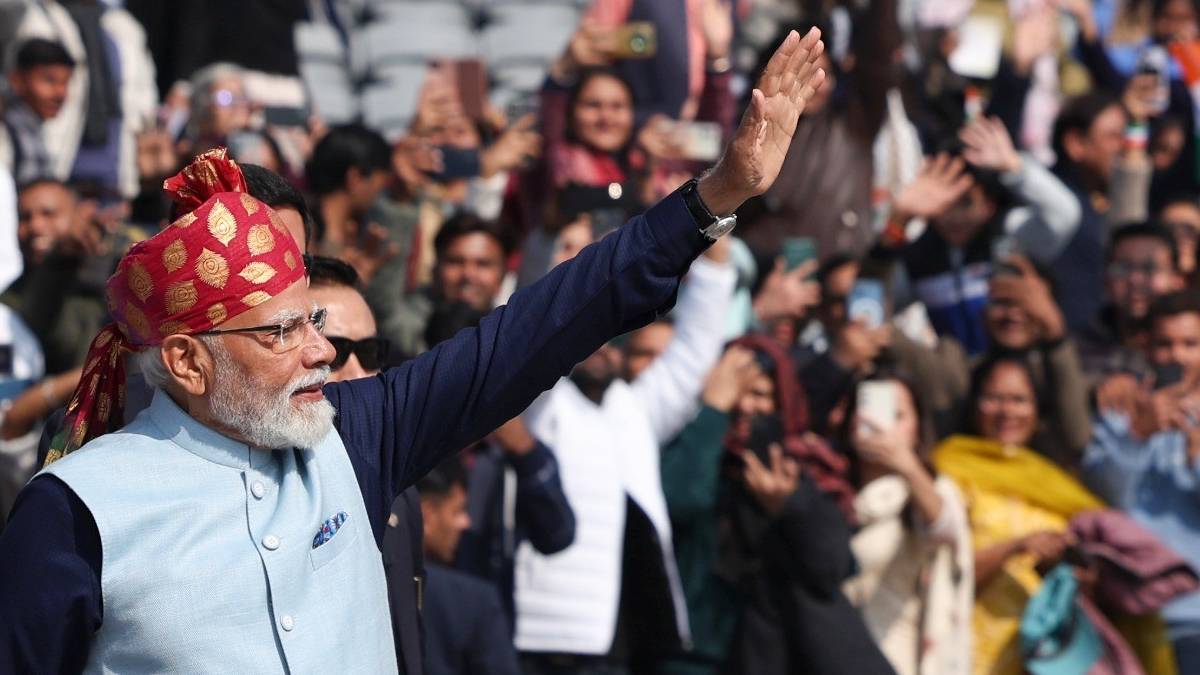
When addressing the public in a recent speech, the Prime Minister stated that the aim is that the world should now focus on the prudent use of spending to ensure good spending habits in unstable economies, interrupted supply chains, inflation, and volatility in global markets.
That advice revolved around cutting useless spending, reinstating domestic systems, and protecting our nation’s resources.
Here are five key appeals that were made during PM Modi’s time:
1. Take More Metro and Public Transport
And then some PMs paved the way for townsfolk to move their lives on more metro rail systems and more public transport, rather than being in dependence to private cars. He added that public transport can reduce fuel consumption, traffic jams and air pollution, but also alleviate pressure on the cost of imported oil.
2. Avoid unnecessary Gold Purchases
PM Modi also advised people not to spend more on gold than they really require. India is one of the world’s largest gold importers; not only does it need to import large quantities of gold, but such large imports could also put a strain on foreign exchange reserves in periods of economic uncertainty.
3. Cut Back Foreign Travel Unless Intuitively Required
The second highest-level argument was against any non-essential foreign travel. The Prime Minister said that eliminating all unnecessary foreign trips, huge or small, would save foreign exchange and boost domestic tourism and consumption, among other things.
4. Support Local and native products
PM Modi in another reminder of his latest campaign for “Vocal for Local” campaign for ‘Vocal for Local’ also called on people to purchase local products and services made in India. Support for the local industry would help the economy, providing jobs or reducing its dependency on imports, he said.
5. Avoid Waste and Conserve Resources
The Prime Minister emphasised that consumption is the basis not only of life, but of property and shared wealth, and urged people to spare up on unnecessary purchases of luxury items and conserve fuel, electricity and water. He told me that anything that the average guy or woman does, a little helps to hold our people together.
By encouraging public participation and behaviour and promoting economic resilience, the government are targeting that, analysts say. Economic sustainability, he added, is more than the ability of citizens to make economic choices.
The comments had generated much online discussion, and those who backed the policy hailed the emphasis on self-sufficiency and fiscal responsibility versus critics questioning the extent to which some specific steps would be worth the middle-class family and business classes for what it would gain.
While the Prime Minister wasn’t exactly a troublemaker here, he wasn’t alone in this message either it also underscored the importance of national action in a world of uncertainty and the need to get more people to stand up and invest their money and their spending sensibly to save money, rather than spending whatever money they have.