A fresh political debate has erupted after former Member of Parliament V. S. Ugrappa said that the Bharatiya Janata Party (BJP), Rashtriya Swayamsevak Sangh (RSS) and Vishwa Hindu Parishad (VHP) have “hijacked” Lord Ram. The comments have triggered sharp reactions from political circles and added to the ongoing debate over the role of religion in India's political discourse.
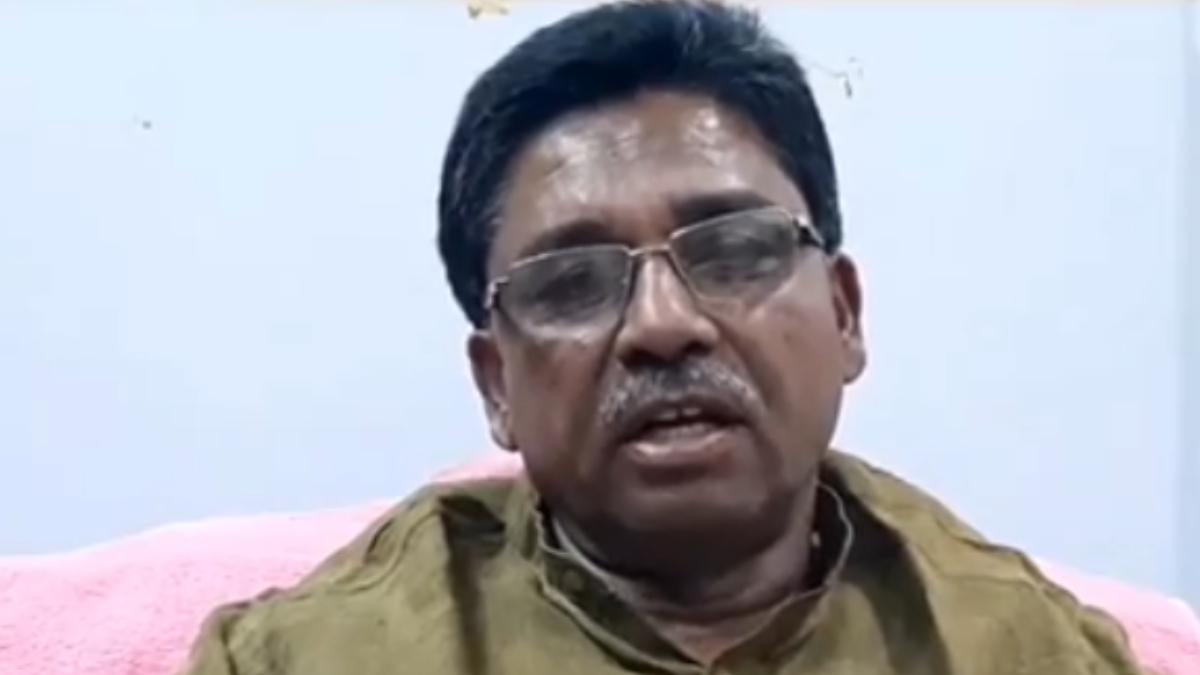
Ugrappa said in a public address that Lord Ram belongs to all people and should not be associated with one political party or ideological group. He said religious figures and cultural symbols shouldn’t be partisan and should still serve as inspiration to people in communities and political parties.
The comments were quickly seized on by leaders of different political parties. Ugrappa supporters defended his remarks as an appeal to preserve the universal and cultural significance of Lord Ram, while leaders of the BJP and its ideological affiliates attacked the statement and denied it.
Lord Ram is central to Hindu tradition and is worshipped by millions of devotees all over India and the world. Besides his spiritual significance, Lord Ram is also a symbol of righteousness, justice, duty, compassion, sacrifice and ethical leadership. Lord Ram is often mentioned in the cultural, literary and spiritual worlds and so the legacy of Lord Ram is even more important.
Religion has long been a topic of political debate in India, especially during elections and cultural identity issues. Political parties do not agree on how the relationship between faith, governance and public policy is perceived. So a few remarks about religious symbols frequently trigger a big debate in the media and political debate.
The BJP has always maintained that its policies and initiatives on Lord Ram reflect what millions of devotees are thinking about and are part of India’s cultural heritage. Party leaders have stressed that the promotion of and preservation of Indian civilization is one of the core tenets of their governance philosophy.
Opposition leaders, at different times, have also argued that religious symbols should not be used for political competition. And faith should be seen as a unifying force that transcends party lines and electoral considerations. Ugrappa’s response to that in the latest statement is a reminder of this broader political perspective and has again brought these divergent opinions into the public eye.
Political experts say that issues related to religion bring up strong emotions because of personal beliefs and cultural identity of the person. So political leaders’ statements about such matters are regularly examined and debated by their supporters, critics and civil society alike.
The same goes for public discourse on faith. Constitutional experts have often made the point that India guarantees freedom of religion but also secular governance and equal treatment in the law. So religious discussions still receive a lot of attention from both legal and constitutional points of view.
As Indian political leaders can express their opinions in a democratic manner to people, the law and democratic norms of India allow them to do so as well as in the context of the country and democracy. Public debate over historical, cultural and religious issues has been a common feature of Indian politics for decades.
Religious, political and cultural identity is under a lot of debate in India as a whole and that has generated great debate as people have been taking to social media to express their opinions about Ugrappa’s views.
Political parties will also continue to use public talks and statements on the issue as well. We expect the dispute to be at least as much part of the political narrative of the country, as parties want to make political talk about governance, culture and national identity.
Political debates continue to occur but experts stress the difference between political views and established facts. Political leaders’ statements represent the views of their own or party and therefore have to be debated, criticized and weighed in public and democratic opinions. Citizens are the ones who need to weigh competing political narratives through discussion and constitutional procedure and the citizens have to judge the arguments of the two sides to make sense of the political stories.
The comments by V. S. Ugrappa are yet another reminder that religious symbolism is still a part of India’s political landscape. As a cultural, spiritual or political issue, there will be more of such a debate to come as parties will make their vision of India’s identity and work with one of India's most long-term and well-respected religious figures.