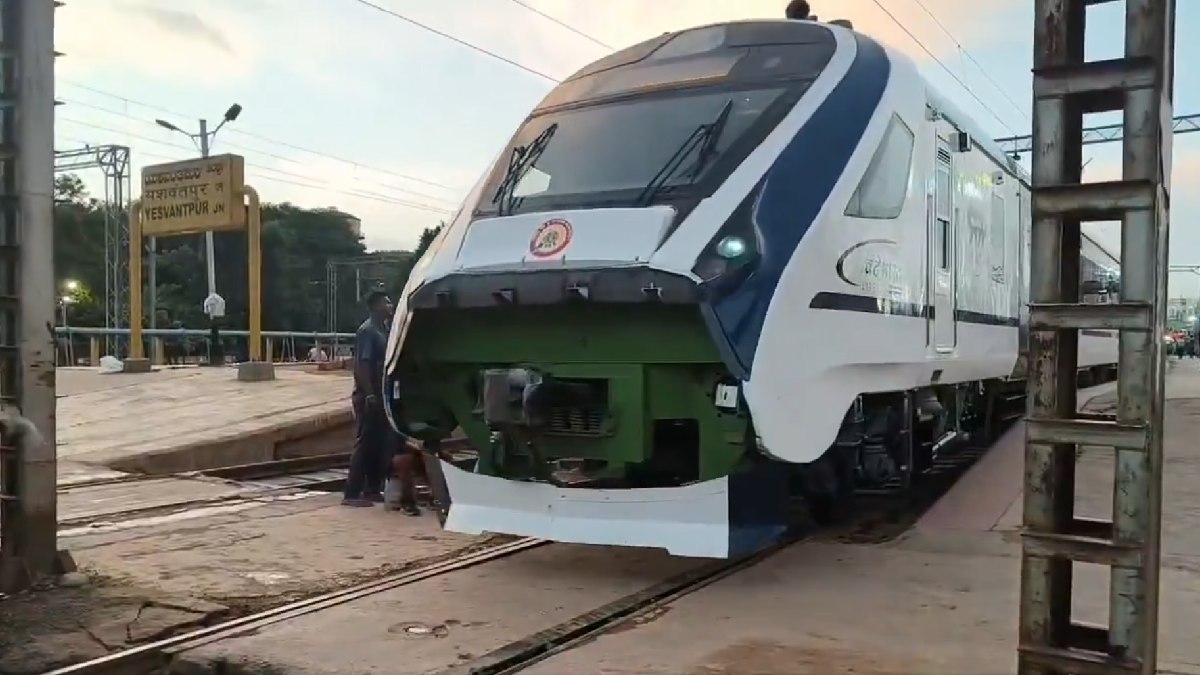
As an important achievement for India’s health and transportation industries, for the first time a live donor heart was transported by train at a distance of about 250 km from Surat to Ahmedabad on board the Vande Bharat Express. The carefully planned operation (around 2 hours and 30 minutes in length) by doctors enabled them to perform a successful heart transplant and also gave a critically ill patient a new chance at life.
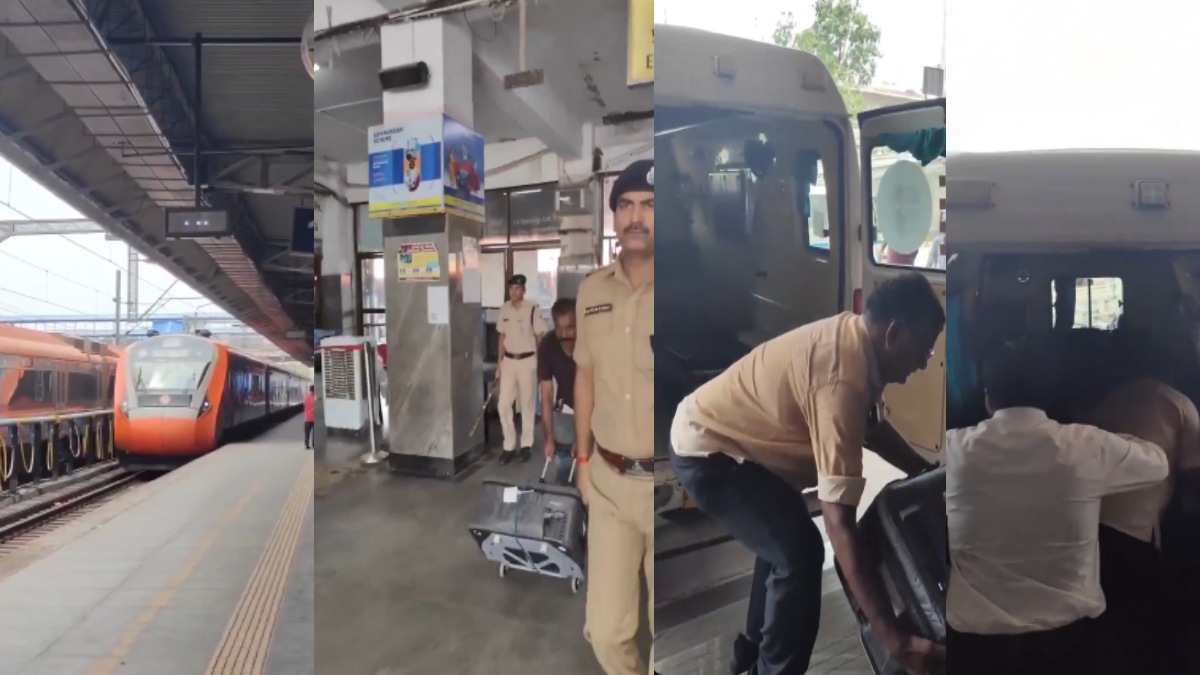
The pioneering effort has been hailed as a significant achievement in organ transplantation, and has shown how modern rail infrastructure and coordinated emergency planning can work together to save lives. The donor heart was transported using a specially designed green corridor, so that every step of the journey from Surat hospital to transplant institute in Ahmedabad was completed with minimal delay.
The operation involved seamless coordination between medical teams, Indian Railways, local police, traffic authorities, emergency responders, and hospital staff. Time is one of the most critical factors in heart transplantation because donor organs are only viable for a short period of time outside of the human body. Every minute saved in transportation greatly improves the likelihood of a successful transplant.
The donor heart was first transported from the hospital in Surat to the railway station via a green corridor established by local authorities. The Vande Bharat Express, based on its speed and reliability, then transported the organ to Ahmedabad. Once there, another green corridor along city roads kept the medical team going to the transplant hospital without any traffic-related delays.
The recipient, who had a serious heart condition, was transplanted just after the heart reached the medical institute. Gujarat Chief Minister Bhupendra Patel said that the transplant was successful and it gave the patient new life. “We thank all those involved in this complicated mission for making it a reality and we are grateful to them for the organ donation that saved our lives,” he said.
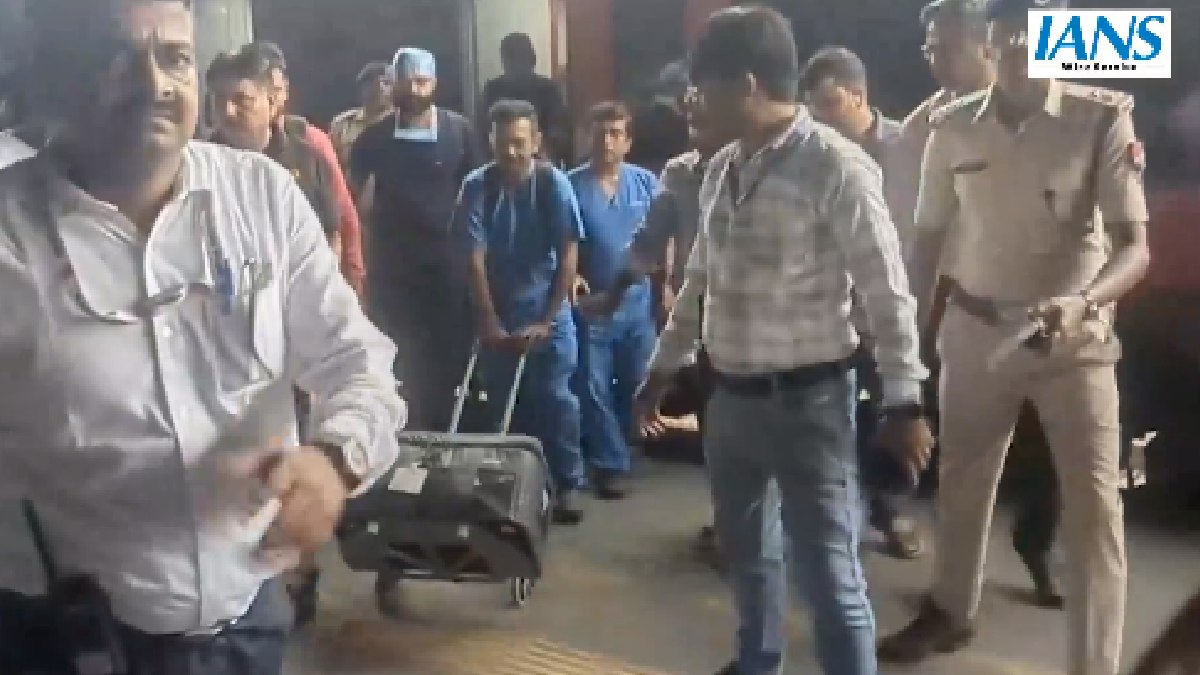
This marks a significant new chapter in organ transplantation in India. Donor organs like hearts are typically transported by ambulances and chartered aircraft or helicopters. The Vande Bharat Express success proves high-speed rail can also be used to transport organs from city to city, if the rail connection is quicker or more effective.
Medical experts think that expanding transportation options for donor organs can significantly improve access to life-saving transplants. India’s growing network of semi-high-speed trains, combined with well-planned emergency corridors, could reduce transportation times and extend organ-sharing networks across states.
These are also green corridors, special traffic channels created to support the continuous flow of emergency vehicles that carry donor organs. They are now essential to India’s organ transplant system, which helps hospitals shorten transit times and improve patient care.
Organ donation is still one of the most important aspects of modern health care. Each year, thousands of patients in India are waiting for heart, liver, kidney, lung, and other organ transplants. Medical professionals would often point out that better public awareness of organ donation will help in reducing the demand and availability gap and therefore saving many more lives.
The successful heart transport also showcases the capabilities of the Vande Bharat Express that go beyond passenger services. Since its inception, the train is very well connected, passenger comfort is much better, and technology has advanced. It is one of the best missions that can be done in the field of emergency medical logistics when done in coordination with healthcare authorities.
Experts have also cited the achievement as an example of how infrastructure development and healthcare innovation can complement each other. The cooperation between hospitals, emergency responders, railway officials, and government agencies is a perfect example of how interdepartmental coordination is crucial for dealing with time-sensitive medical emergencies.
Vande Bharat Express completes Indian Railways' first-ever organ transport, delivering a live human heart from Surat to Ahmedabad! 🫀🚆
— Ved Singh (@_techiefeed) August 1, 2026
- Donor heart transported ~250 km via Train No. 20901 to save a cardiac patient.
- RPF and Police established a seamless green corridor from… pic.twitter.com/H2rZKL8Pvx
As India is working to enhance its healthcare infrastructure and transportation system, the successful transport of a live donor heart by Vande Bharat Express will serve as a model for future organ transplant missions. The operation saved a patient’s life and opened up new opportunities for improving emergency medical transportation across the country.
The historical journey from Surat to Ahmedabad is a vivid reminder that technological advancement, planning, and the generosity of the organ donor can give the results of great outcomes. For one patient and their family, the Vande Bharat Express was the “heartbeat of hope” providing an organ but also the gift of life.